














Top 18 AI Business Ideas to Launch in 2026

KEY TAKEWAYS:
- The best AI business ideas are strongest when they solve specific operational problems, not when they simply add AI features to a generic startup concept.
- Service models such as workflow automation, AI chatbots, prompt engineering, and implementation consulting are easier to start because they need domain expertise and delivery discipline more than large product teams.
- SaaS ideas need sharper validation: micro-SaaS, AI assistants, predictive analytics, security tools, and vertical SaaS must prove repeat usage, data access, and willingness to pay.
- Industry-specific ideas in agritech, fintech, legal, gaming, avatars, music, film, and design work best when founders understand workflow constraints, regulation, and user trust.
- Before building, validate the niche, data source, buyer pain, MVP scope, compliance risks, and integration path so the AI business can move from interesting demo to viable product.
Since the launch of ChatGPT, the AI era has progressed to new heights. According to the Deloitte State of AI report, worker access to AI doubled compared to the previous year. Meanwhile, 64% of organizations are using AI to deeply transform business activities and redesign key workflows.
This leads to a high demand for companies to seek effective AI solutions. In other words, this trend opens an avenue for various startups to offer AI products and services. If you’re looking for the best AI business ideas to start such a startup, don’t miss this blog post. Here, we’ll list the top 18 ideas you should consider for your AI startup in 2026.
Recommended for you:
- Lifestyle Business Ideas For Creators, Freelancers, And Solopreneurs
- Profitable Ecommerce Business Ideas For New Founders
- SaaS Ideas To Build For Profitable Software Products
AI-Powered Service Businesses Ideas
These ideas target those who want to offer AI-powered services like AI consulting or AI chatbot development to automate workflows and enhance efficiency. Below are the best business ideas in this realm:
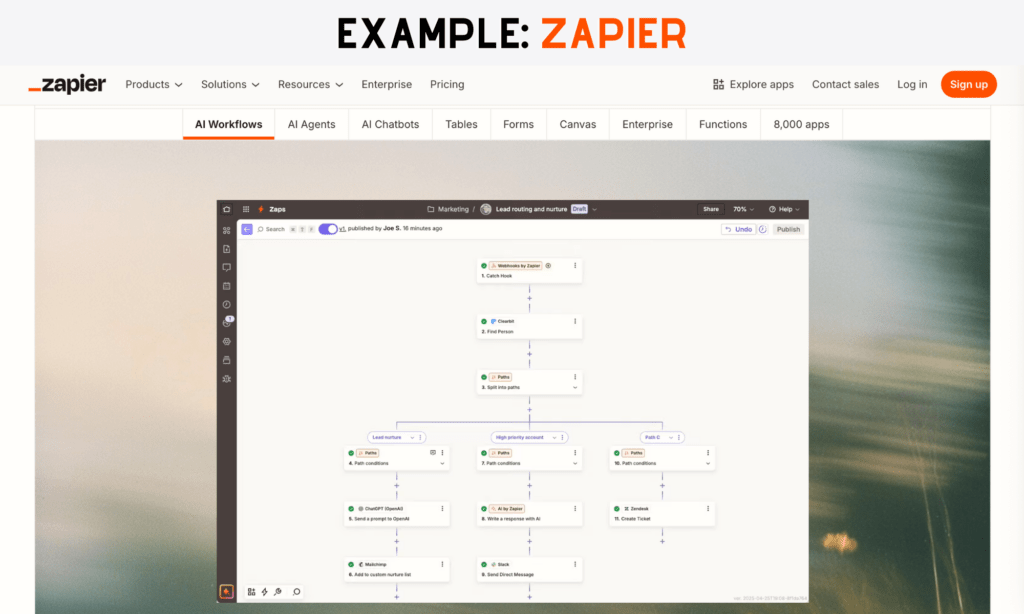
1. AI Workflow Automation Agency
As the name states, this type of AI business aims to provide small and mid-sized businesses (SMBs) with AI business process automation services to automate their routine operations. This way, your clients can remove manual, repetitive tasks and focus on workflow automation, like sales follow-ups, customer support routing, invoice handling, and internal reporting.
Further reading:
- What Is AI Automation? Definition, Benefits, And Real Use Cases
- AI Automation Agency: Services, Use Cases, And How To Start
- AI In Product Development: How Teams Use AI To Build Better Products
Opportunity:
Workflow automation is expanding rapidly, with an estimated value of Mordor Intelligence and an annual growth rate of 9.41%. This momentum is fueled by the rising adoption of generative AI copilots, low-code development platforms, and RPA (Robotic Process Automation).
However, many companies now lack skills to optimize workflows and scale automation. This creates a market gap for AI workflow automation agencies to enter the market. Accordingly, they use deep expertise and process-mining skills to offer reliable consultancy and build automation systems effectively.
Possible challenges:
- Data quality issues slow down automation
- Resistance from staff who fear job displacement
- Tool sprawl and integration conflicts
Tips for success:
To successfully build an AI workflow automation agency, you should define a specific niche (e.g., healthcare or legal services) or a specific function (e.g., manufacturing or customer support). Because AI works best with data-intensive tasks, you should focus on repetitive, manual tasks that AI can handle instantly and bring high ROIs. Further, you can offer pilot programs to build trust and prioritize customized solutions to meet specific demands.
Explore more:
- Most Popular Super Apps in the World
- Most Helpful Apps for Work, Study, and Personal Life
- Best Productivity Apps to Organize Tasks, Time and Attention
2. AI-Generated Content Bureau
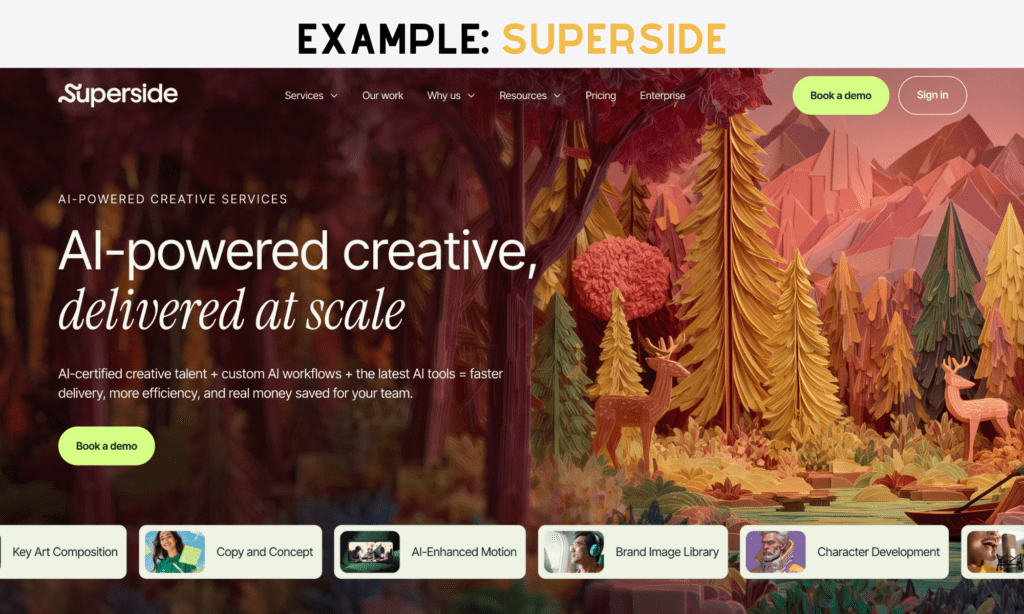
Your AI business can focus on producing multimodal content at scale, such as videos, podcasts, and product visuals. The bureau mainly serves eCommerce brands and marketing teams that have limited production capacity but require regular content.
Opportunity:
More and more people spend time online for different activities, like shopping and relaxation. Accordingly, lots of companies increase their presence across platforms, from TikTok to X, and produce content regularly to constantly approach target users.
However, not all companies have a strong content team, especially if content marketing is not their core activity. Meanwhile, hiring a full expert team may be expensive and even go beyond budgets. So, there’s a high demand to generate a large amount of content across platforms to get closer to target customers.
Possible challenges:
- Maintaining a consistent brand voice across AI outputs
- Client concerns about originality and IP rights
- Platform rules around AI-generated media
- Quality control at scale
Tips for success:
Your business should focus on building vertical AI solutions targeting specific niches instead of general AI. Such solutions must be customizable to serve hyper-personalized eCommerce needs and integrate RAG (Retrieval-Augmented Generation) to ensure accurate, relevant AI outputs. Further, your AI solutions should be easy to use for non-technical users and enable human reviews to ensure the best outcomes.
Discover more here:
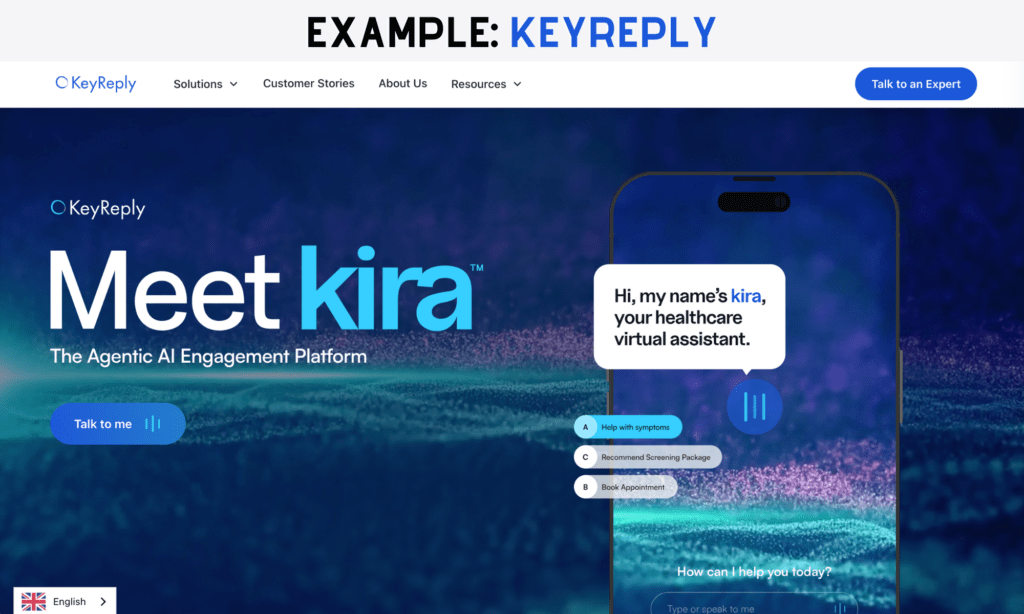
3. Customized AI Chatbots for Niche Industries
This AI business idea is about building vertical AI assistants that have deep industry-specific knowledge in, for example, legal services, healthcare, finance, or real estate. These bots don’t have surface understanding. But they can understand domain language, prioritize response accuracy, and comply with data security regulations.
Related reading:
- Best AI Chatbots: Top Options And Business Use Cases
- Open Source Chatbot Frameworks: Best Options And Use Cases
- How To Build Chatbots With LangChain: A Practical Guide
Opportunity:
Niche industries require “digital” assistants who have domain-specific knowledge to support routine tasks, like patient data management or automated document drafting. General-purpose AI chatbots, typically ChatGPT, albeit powerful, hardly meet these requirements. So, they shift toward vertical AI solutions that can execute specialized tasks effectively within their internal systems.
Possible challenges:
- Regulatory and compliance complexity
- High expectations for accuracy
- Liability concerns from clients
Tips for success:
Your business should identify a specific niche and high-impact areas where vertical AI chatbots work best (e.g., regulatory compliance queries for legal or automated patient intake for healthcare). Then, collaborate with industry experts to verify data and train the assistant to create highly relevant, accurate responses in a niche. The bot must be customizable to meet specific use cases in that specialized field.
To learn more about Chatbot, check out these articles:
- Best AI Chatbots for Work, Research, and Support
- Open Source Chatbot Frameworks to Use
- How to Build Chatbots with LangChain
4. Prompt Engineering and AI Workforce Training
Your AI business focuses on training workers to use AI at work effectively to increase productivity and reduce operational costs. This involves how to choose the right AI tools, write the right prompts, and integrate AI into the right use cases.
Opportunity:
Companies are increasingly embedding AI into their work. But one BCG survey discovered that up to BCG don’t generate real value from AI although they make big investments. The reason is quite obvious: they just focus on AI deployment, but don’t improve the AI fluency of their workers. Deloitte also supported this statement with its finding: 84% of companies don’t redesign work around AI capabilities.
So, there’s a high demand to fill the AI skill gap. Instead of just picking the most popular tools and using them blindly, workers need to know how to talk with AI, assign tasks, break down complex projects for AI to handle, and evaluate AI-generated outcomes. That makes AI training more important than ever before.
Possible challenges:
- Measuring ROI from training
- Varying skill levels across teams
- Rapid changes in AI tools
- Lack of focus and investments from leadership
Tips for success:
Your business should offer customizable training programs that you can adjust to fit different learning needs and levels, such as using agentic AI to forecast customer demands or build routine workflows.
Further, partner with one small company or your internal department to explain how effective your training program is. You should also work with a legal agency to certify that your training meets regulatory standards.
You can find more information in:
- What Is Prompt Engineering? Key Techniques & Examples
- AI Pair Programming: How Developers Code Smarter with AI
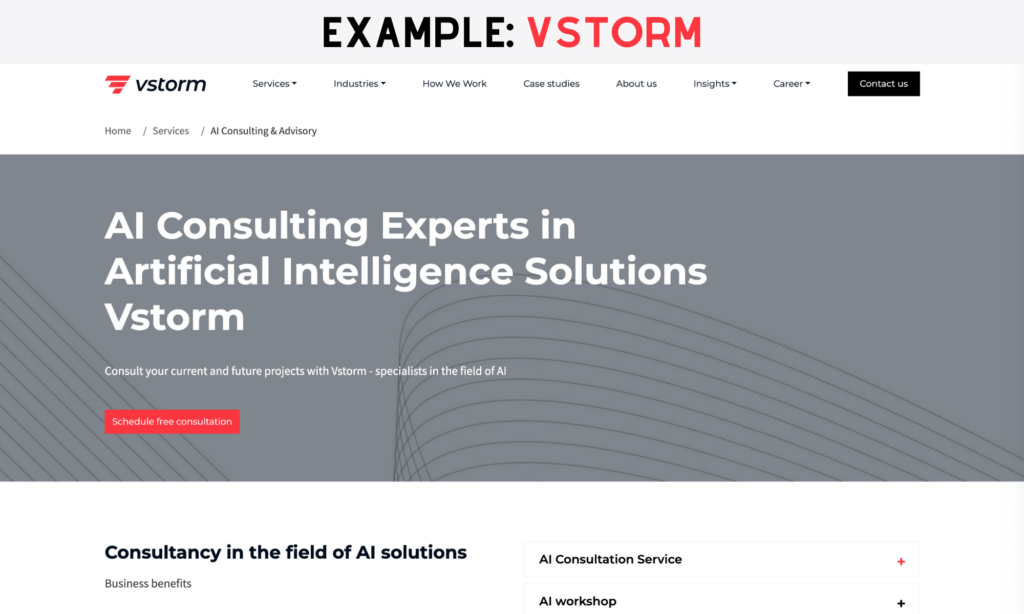
5. AI Implementation Consulting for SMEs
With this AI business idea, you’ll help SMEs strategically decide how AI works best for different departments (e.g., marketing, sales, HR, or operations). In other words, your experts work closely with clients to build a tailored AI roadmap for each department to deploy AI effectively for their daily operations.
Opportunity:
Not only different industries but different departments within an organization also have different workflows. However, many SMEs now risk wasting money on tools that may not fit the operations of each department.
Therefore, they need consultants who understand both business operations and AI to execute AI tools effectively for specific use cases (e.g., customer support or finance management). This saves them much time, money, and effort.
Possible challenges:
- Clients expecting instant results
- Budget constraints in smaller firms
- Keeping recommendations tool-agnostic
Tips for success:
Additionally, just choose one or two niches you excel at and turn your services into clear packages, like Customer Support AI Setup or Sales & CRM AI Optimization. Each service package should have a clear scope, timeline, deliverables, and evaluation metrics. This way helps build trust among clients.
Further, don’t just offer consultation services and let them be. Your services should come with change management and training to document the AI implementation process, check progress, and make ongoing updates to keep AI use always effective.
To get a better sense of worldwide app trends, read the article Top Trending Mobile Apps in The World.
AI Software and SaaS Products
In addition to AI-powered services, you can offer SaaS products to handle different problems of your target clients. And here are the best AI business ideas for your startup:
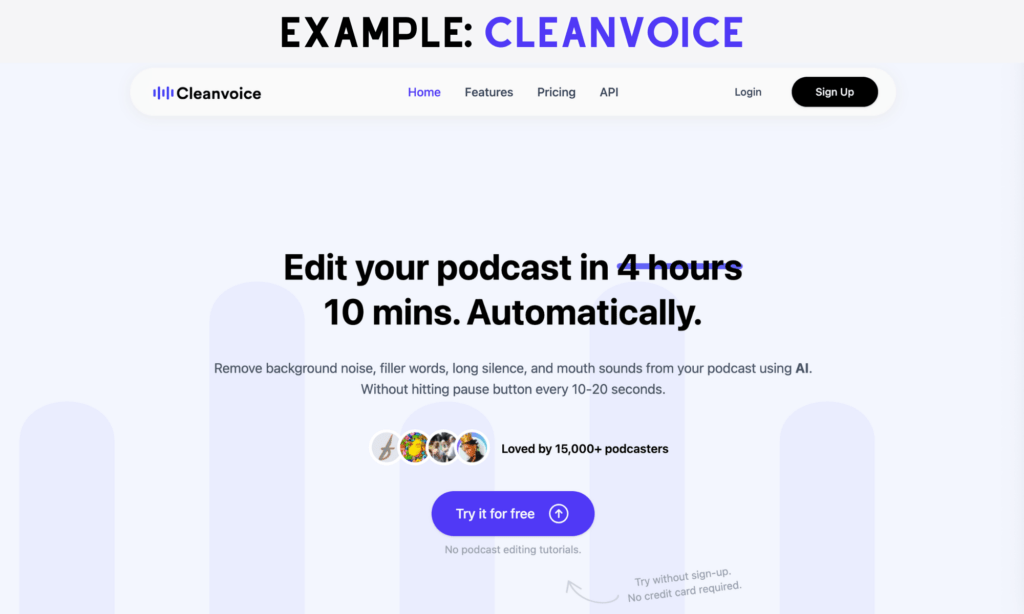
6. Micro-SaaS for Specific High-Value Tasks
Your business offers a very focused AI tool to handle one problem well. It’s not a versatile platforms that integrate all workflows in a unified dashboard, but excels at addressing a specific problem and delivering a clear outcome. For example, you can build an AI tool to help founders generate compliant tax summaries, or one that optimizes short-form ad creatives based on past performance.
Opportunity:
Large SaaS platforms are often complex, expensive, and sometimes can hardly handle specific problems well enough. And not all the time, professionals require such versatile software. They just care about a specialized AI tool that handles a single painful task well.
This creates space for Micro-SaaS. Integrating AI into niche software makes this model more viable than ever.
Possible challenges:
- Narrow markets limit total revenue potential
- Requiring domain-specific data for training and response generation
Tips for success:
Your business should identify which tasks need micro-SaaS solutions. Normally, they’re repetitive, high-stakes, and time-sensitive tasks, like tax prep, ad optimization, or compliance checks.
Also, validate demand by talking directly to professionals and researching the market before building anything. You should also keep the product scope tight and avoid adding features too early.
Further reading:
- Profitable SaaS Ideas to Build
- Web Scraping Project Ideas From Beginner to Advanced
- Best Profitable Web App Ideas for Your Business
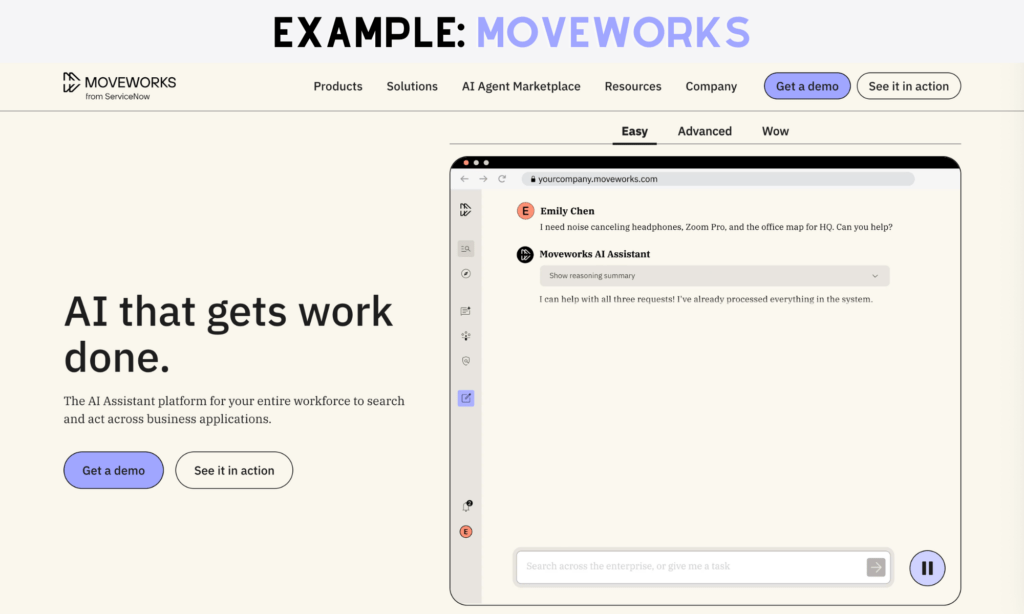
7. AI Personal Assistant (Agentic AI)
This AI business idea hints at an agentic AI assistant that can automatically execute lots of repetitive tasks for busy executives or founders. These tasks include managing emails, scheduling meetings, following up on tasks, summarizing updates, and even coordinating across tools. Instead of asking AI to help, users can delegate and let AI make some autonomous decisions.
Explore more:
- How To Build Agentic AI: A Practical Guide With Examples
- Agentic AI Architecture And Workflow: Components, Patterns, And Examples
- Top Agentic AI Tools You Should Know
Opportunity:
Agentic AI has become a new AI revolution since 2025 and is now expanding. This advanced technology allows digital assistants to make autonomous decisions on several specific use cases, leaving humans in more strategic and creative tasks.
With desires for improving productivity and promoting real-time decision-making, agentic AI has grown quickly. Fortune Business Insights agentic AI market report forecasts 40.50% annual growth. Today, agentic AI helps knowledge workers turn intent into action, which makes this market more promising for startup investment.
Possible challenges:
- Trust issues when AI takes autonomous actions
- Integration complexity across tools like Google Workspace or Slack
- High expectations for accuracy and reliability
Tips for success:
Your business should start narrow and focus on high-ROI tasks that are often repetitive and time-consuming, like email management or customer onboarding. It’s also crucial to limit the agent’s authority early on through approval steps and to integrate RAG to ensure highly accurate responses.
A related guide:
- How to Build Agentic AI: Practical Guide with Examples
- Agentic AI Architecture: Components, Workflow, Design Patterns
- Agentic AI Tools You Should Know
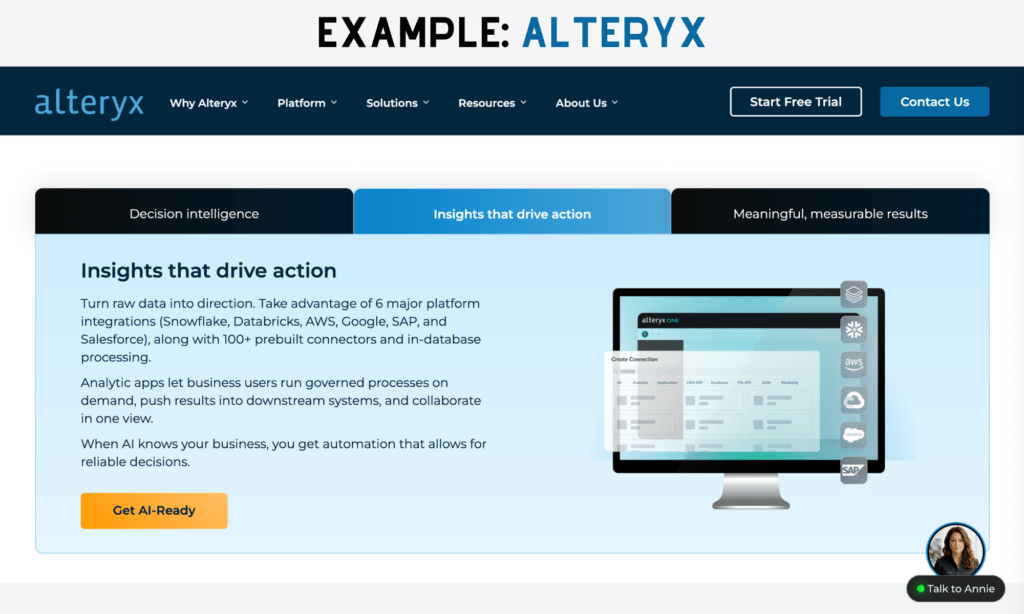
8. AI-Driven Predictive Analytics Platform
This SaaS product uses AI and large datasets to predict future outcomes, like customer churn, demand fluctuations, or market trends. Instead of showing what happened, it helps teams understand what is likely to happen next and why.
Opportunity:
Many companies sit on piles of data but struggle to turn it into decisions. Traditional analytics tools excel at explaining the past, but don’t know what customers will do in the future. Moreover, more and more businesses now want predictive and prescriptive insights that guide action.
AI-driven analytics fills this gap by modeling behavior patterns and surfacing risks or opportunities early. In uncertain markets, prediction becomes a competitive advantage, especially for pricing, inventory, and customer retention. With these benefits, AI-driven predictive analytics becomes a Fortune Business Insights predictive analytics market report opportunity in 2026.
Possible challenges:
- Poor data quality limits prediction accuracy
- Long onboarding time for complex datasets
- Users misunderstand probabilistic outputs
Tips for success:
Your business should start with industries that already collect structured data, such as retail, to reduce friction during onboarding. Further, use explainable AI (XAI) to help users understand why the AI makes such predictions, hence building trust.
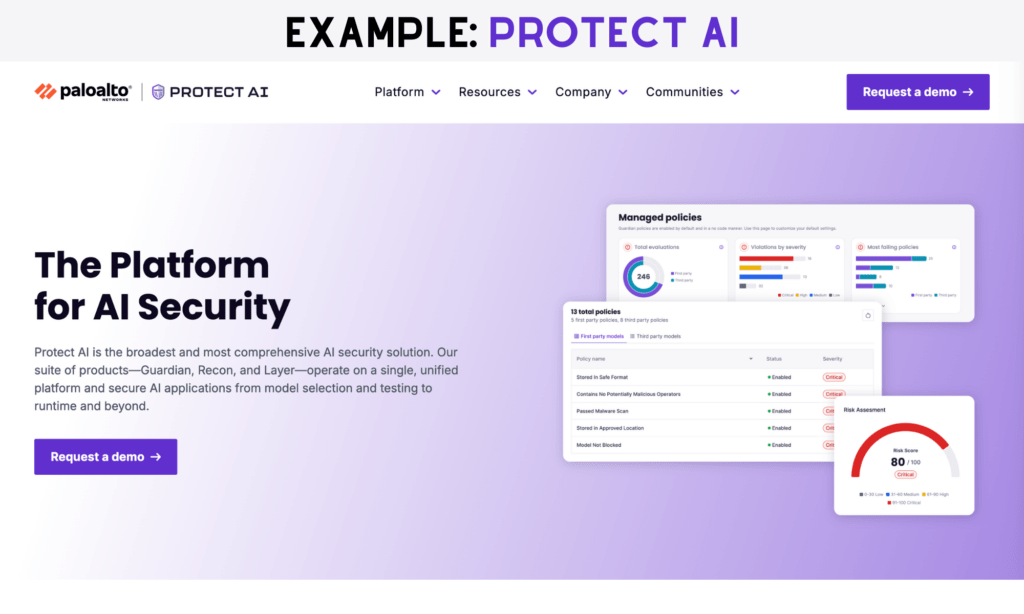
9. AI Security and Ethics Auditing Tools
This AI business idea is about building a SaaS tool for companies to check the security risks, bias, and regulatory compliance of their AI systems. Accordingly, it scans models, datasets, and outputs to flag vulnerabilities, unfair patterns, or policy violations before they become legal or reputational problems.
Opportunity:
As companies deploy more AI, they also inherit new risks. Data leaks, biased decisions, and non-compliance are common issues that many companies are encountering.
However, most organizations lack internal expertise to audit AI systems properly. Manual audits are slow and inconsistent. So, automated AI auditing tools fill a growing and urgent gap.
Possible challenges:
- Keeping up with evolving regulations
- Gaining access to sensitive enterprise systems
- Ensuring the accuracy and credibility of audits
Tips for success:
Your AI auditing tool should focus on common risk categories first, such as bias detection or data leakage. It must come with transparent auditing processes and clear reporting to build trust. Further, your business should partner with legal or compliance experts to validate your framework.
A good next read is: Building User Trust through Secure Software Development
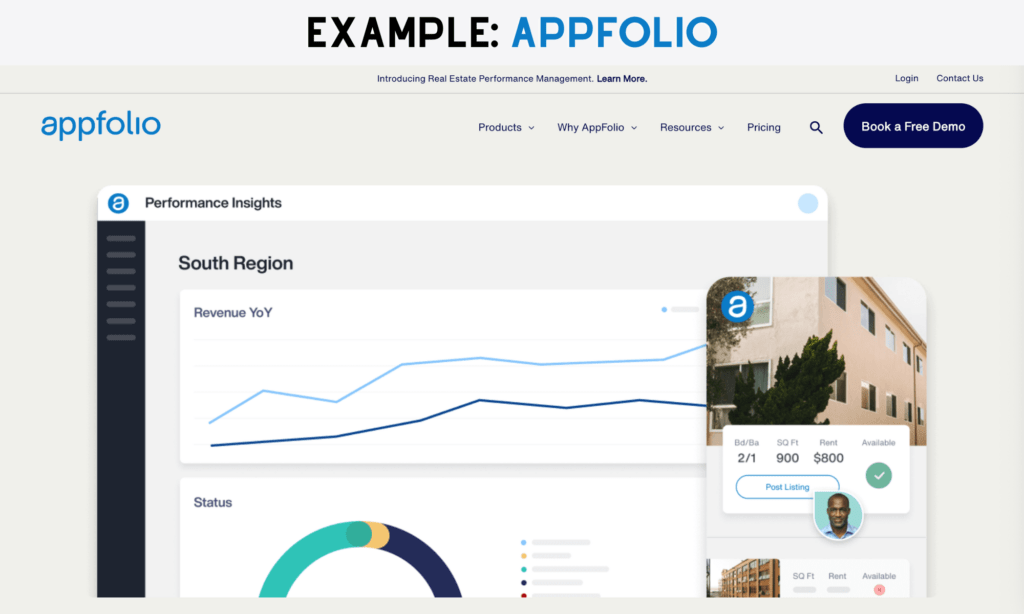
10. AI Vertical SaaS
This AI business idea focuses on building AI software for one specific industry instead of generic AI tools. Particularly, this vertical software is built around industry workflows, data structures, and regulations from day one. For example, you can develop AI for legal document review, real estate deal analysis, or eCommerce demand forecasting.
Opportunity:
Horizontal AI tools are versatile but struggle with deep domain-specific use cases. Industries like law, real estate, or retail often have unique rules, language, and risks. As businesses grow more cautious about AI errors, they prefer tools that can “speak their language.”
By embedding those specific use cases and being trained on domain data, Vertical SaaS can meet this demand. This opens long-term opportunities with higher switching costs and stronger customer loyalty.
Possible challenges:
- Smaller initial market size
- Deep domain knowledge required to train the AI
Tips for success:
You should choose an industry where you already have access, experience, or advisors. Then, start with one core workflow and solve it end-to-end. Further, you should prepare industry-specific data from reliable sources to fine-tune models and improve relevance.
Continue reading: What are Vertical AI Agents? Everything You Need to Know
AI in Specialized Industries
If you plan to build specialized AI tools for niche industries, you can consider the following AI business ideas:
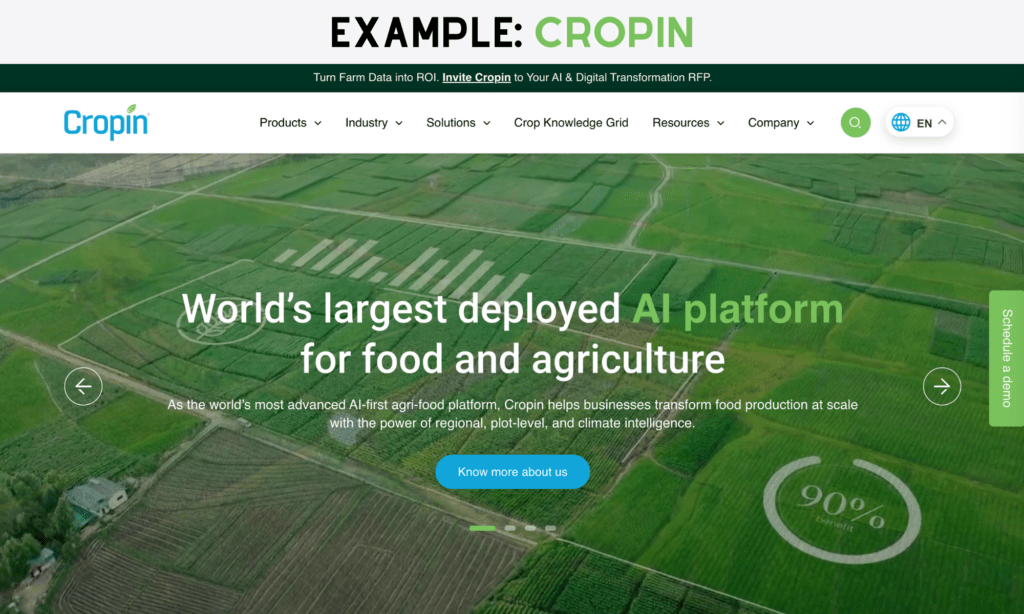
11. Agritech Intelligence Systems
This business idea revolves around building agritech intelligence systems to maximize farm efficiency. These systems combine AI models with drones, satellite imagery, and IoT sensors to monitor crop health, forecast yields, and detect diseases early. They allow farmers to get actionable signals to identify when to irrigate, where pests are spreading, which fields are underperforming, and why.
Opportunity:
Agriculture is under pressure from multiple sides, such as climate volatility, labor shortages, and rising input costs. So how can farmers reduce those impacts?
The answer lies in AI-powered systems that collect data from sensors in the ground to images in the sky. They then use the data for yield prediction, disease detection, and resource optimization. For this reason, many farmers can turn complex signals into simple decisions.
Possible challenges:
- High upfront hardware costs (drones, sensors)
- Limited connectivity in rural areas
- Farmers’ hesitation to trust algorithmic recommendations
Tips for success:
Your AI-powered solution can start with one in-demand use case first, such as disease detection or irrigation optimization, instead of a full “smart farm” vision. Further, you should work closely with agronomists to validate outputs and avoid misleading insights. Also, focus on designing visual and intuitive dashboards that farmers can see results easily.
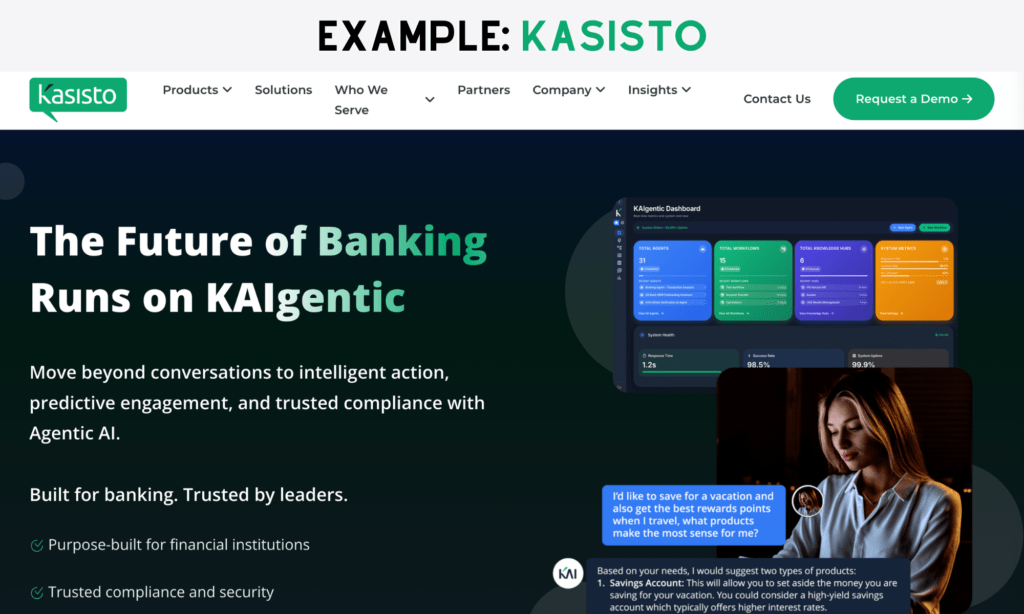
12. FinTech AI Applications
This idea focuses on applying machine learning to financial decision-making. Accordingly, your business can build AI applications for fraud detection, credit risk assessment, investment advisory services, and other high-demand use cases. The systems help customers spot patterns that humans might miss by analyzing transaction data, user behavior, and market signals.
Opportunity:
Financial systems generate massive volumes of structured data every second. However, the finance industry is also facing various problems. Typically, fraud is becoming more complex, but traditional rule-based systems struggle to keep up. Meanwhile, credit scoring models also face pressure to become fairer and more accurate.
That’s when AI comes in. According to Fortune Business Insights, AI in fintech is a Fortune Business Insights AI in fintech market report opportunity for many companies to grab. The tech handles the industry’s existing problems by learning from new data quickly and adjusting to emerging threats or trends.
Possible challenges:
- Regulatory scrutiny and compliance requirements
- Model bias and fairness concerns
- High expectations for accuracy and explainability
Tips for success:
Your business should start with one application to address one existing problem, such as fraud detection for a specific transaction type. Besides, your FinTech AI application should emphasize transparency because financial institutions need to understand why the AI makes a decision, not just the result. You should also build strong data governance practices from day one to ensure data privacy and build trust around your app.
You can also explore: Fintech App Ideas for New Business
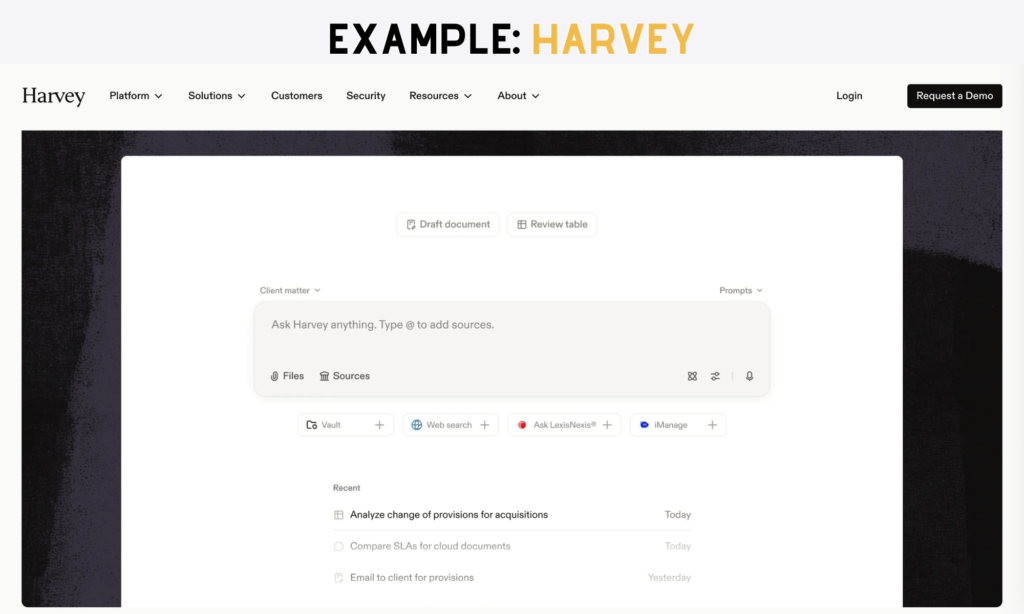
13. Legal AI Research Assistant
This AI product helps legal professionals analyze large volumes of legal documents, contracts, and case law quickly. Particularly, it can surface relevant precedents, summarize arguments, flag risks, and highlight inconsistencies across documents.
Opportunity:
Legal work is information-heavy and time-sensitive. And lawyers often spend significant time searching through databases, reading lengthy documents, and cross-referencing cases.
To support such legal professionals in legal research, specialized AI assistants come in. Unlike general-purpose AI tools, these legal assistants are trained on legal knowledge. Therefore, they can produce more contextually relevant, highly accurate, and compliant responses. Also, they help reduce the hours spent on manual research and review.
Possible challenges:
- Ensuring accuracy in high-stakes legal contexts
- Managing confidential and sensitive data
- Resistance from traditional legal professionals due to its reliability and accuracy
Tips for success:
You can focus on one legal domain, such as contract review or litigation research, rather than the entire legal landscape. Similar to other fields, you should work with legal experts to validate outputs and reduce hallucination risks. Remember to build your product with security and data privacy in mind as well.
Creative and Entertainment AI Businesses
Entertainment is no longer owned only by studios and agencies. Thanks to the growth of generative AI and the creator economy, this field is now fragmented. And you can build AI-powered tools to build creative work. If you’re interested in this realm, consider the following AI business ideas:
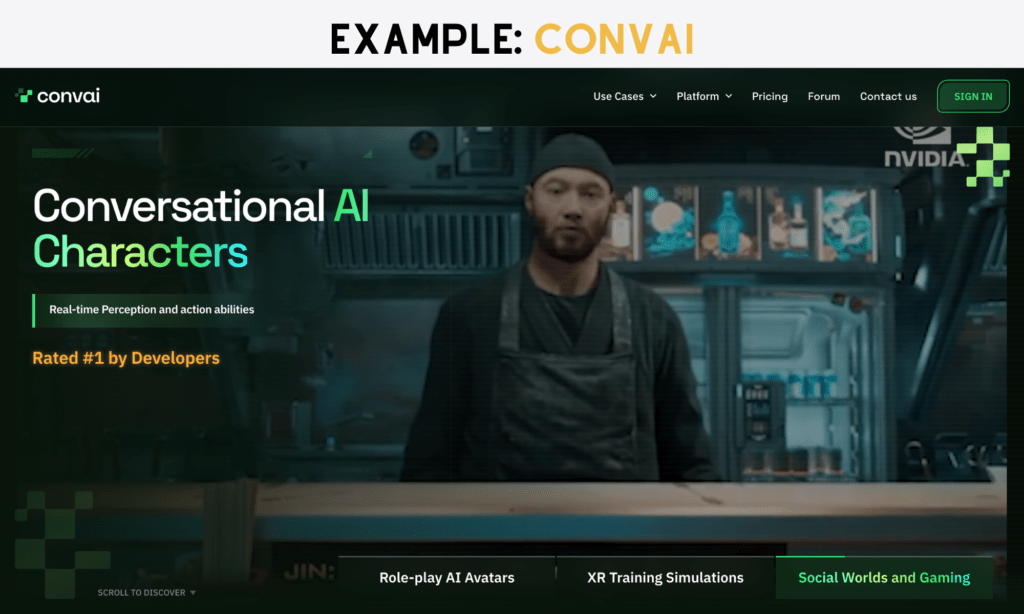
14. AI Gaming Studio
This AI gaming studio develops games where non-playable characters (NPCs) can think, talk, and react dynamically instead of repeating scripted lines. Accordingly, these NPCs adapt to player choices, remember past interactions, and respond with context-aware dialogue.
Opportunity:
Gamers are increasingly drawn to immersive experiences. Besides thrilling plots, interesting challenges, and better graphics, players want NPCs behave more naturally and less robotically. This sounds impossible previously.
But now, AI changes that. Particularly, AI allows smaller studios to build rich narrative systems without writing thousands of dialogue branches by hand.
Possible challenges:
- Maintaining narrative consistency over long gameplay
- Preventing inappropriate or immersion-breaking dialogue
- Performance and latency constraints in real-time interactions
Tips for success:
Your game studio should start with limited-scope games or specific NPC roles, such as companions or quest-givers. Then, test with real players to identify immersion breaks early.
Discover more here:
- Best Game Development Software Tools
- Best Mobile Game Development Companies
- How to Make a AAA Game from Concept to Launch
15. Virtual Influencer and AI Avatar Agency
This AI business idea allows you to manage virtual influencers or AI-generated characters that appear on social platforms, livestream, interact with fans, and promote brands. These avatars can be customized for different personalities, aesthetics, and brand voices.

Opportunity:
Influencer marketing keeps growing, but it comes with problems. Particularly, human influencers have unpredictable behaviors, cause unexpected scandals happen, change costs quickly, and sometimes may not comply with a brand’s requirements.
But virtual influencers are different. Brands can fully own the image, messaging, and behavior. When audiences grow more comfortable with digital personas, especially in gaming and virtual spaces, AI avatars move from novelty to strategy.
Possible challenges:
- Ethical concerns around disclosure and transparency
- High upfront costs for high-quality avatars
Tips for success:
Start with platforms that already embrace virtual identities, such as gaming communities or livestream ecosystems, before expanding into mainstream social media. Besides, your business must be transparent about the AI nature of the influencer so that audiences don’t feel tricked and respond better to the influencer’s message. Also, focus on storytelling and personality to make the influencer human-like.
16. AI Music and Sound Production Platform
This AI business idea hints at a platform that allows users to generate royalty-free background music and sound effects using AI. Accordingly, they can choose mood, tempo, genre, or duration and instantly produce audio tailored to their content, whether it’s a YouTube video, mobile game, or ad campaign.

Opportunity:
Content creation has exploded, but music licensing remains confusing and expensive. So, many creators have to either reuse the same tracks or risk copyright claims without realizing it.
This leads to a growing demand for AI-generated music and sound that is legally safe and affordable. When more creators publish content daily and need music to fit specific moods or scenes without long searches, an AI-powered sound production platform will become more sought-after.
Possible challenges:
- Music sounding generic or repetitive
- Legal uncertainty around AI-generated audio rights
Tips for success:
Your AI platform should let users fine-tune outputs easily, plus genre diversity and cultural nuance to avoid “stock music” fatigue. Besides, clarify licensing terms to avoid unexpected legal risks later.
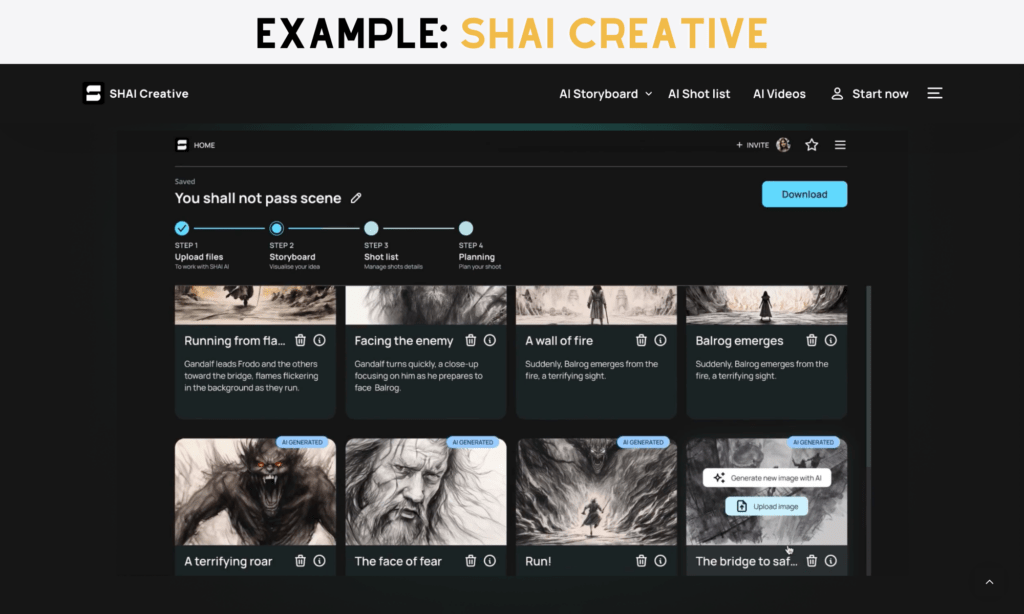
17. AI Film and Script Generator Studio
This business idea is about offering AI-assisted services for generating scripts, storyboards, and short-form videos. With AI support, creators, marketers, and small studios can shorten the time from idea to outputs like ads, social videos, or short films.
Opportunity:
There’s a huge demand for videos. But production often involves many roles, hence appearing slow and expensive. If creators or marketers just want to build short videos, hiring a full professional team also costs a lot and takes significant time. Not to mention that scripting, storyboarding, and editing add up the time.
But AI can address this problem. It enables users to write scripts, build storyboards, and even produce simple videos with effects much faster.
Possible challenges:
- AI-generated stories feel repetitive or lack depth and videos don’t meet requirements
- Copyright and originality concerns
- Resistance from traditional filmmakers
Tips for success:
You should position the studio as a creative accelerator, not a replacement for human creators. This helps target customers use your AI-powered generator in the right way. Additionally, your AI platform should focus on short-form formats, which prioritize speed over perfection, and enable human oversight during production to ensure the best outcomes.
18. AI-Powered Design Marketplace
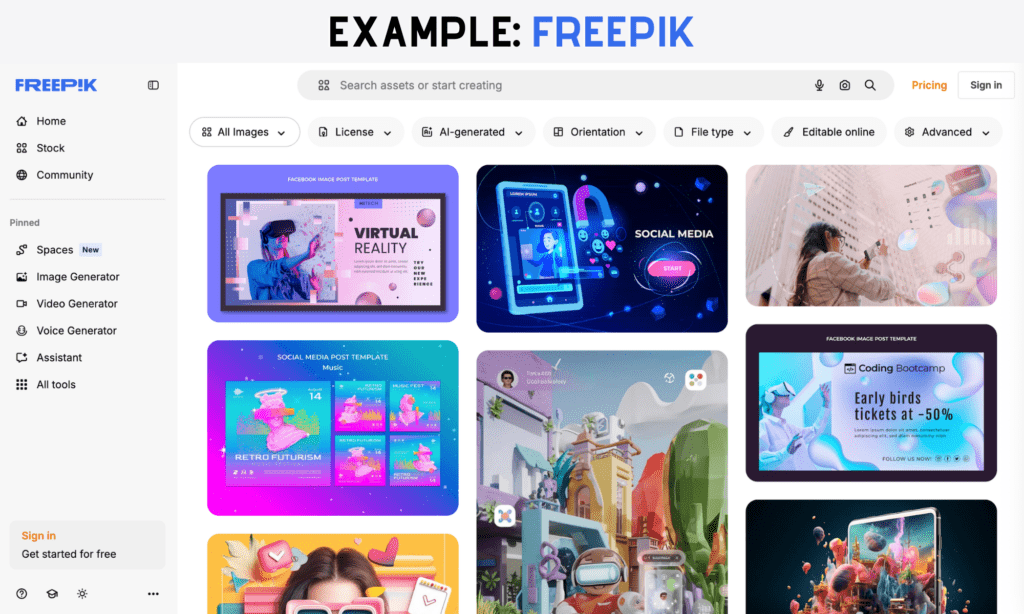
The final idea in our curated list is an AI-powered design marketplace. This is where your business and other sellers can sell AI-generated design assets such as logos, mockups, brand kits, and social media visuals. Meanwhile, customers browse, customize, and buy designs quickly.
Opportunity:
There’s a high demand among small businesses and creators to buy decent designs without hiring a professional designer. So, this marketplace is a great place to offer fast, affordable options for those who want to launch side projects and online brands without the need for complex brand identities.
Possible challenges:
- Design outputs may not feel authentic, leading to a lack of the brand’s credibility
- Designer backlash and ethical debates
Tips for success:
Design products on the marketplace should be customizable, letting users adjust to fit their brand identity and story. Besides, instead of being flooded with similar, generic assets, your marketplace should curate quality and clarify usage rights or licensing terms to increase trust.
How to Validate and Execute AI Business Ideas
Most AI business ideas don’t fail because the tech is bad, but because nobody truly needed them. Or worse, people liked the idea but didn’t care enough to pay. So, how can you ensure that your AI business idea is a worthwhile investment? Keep reading and consider the following tips:
Continue reading:
- How To Build An MVP: Practical Steps For Founders
- Build Your MVP With Low-Code: Benefits, Limits, And Process
- How Much Does It Cost To Build An MVP? Key Cost Factors

- Start With the Problem, Not the AI
First, identify a burning pain that people are demanding a reliable solution to handle. That problem often costs people time and money, but they lack the right solutions to address it.
So, conduct thorough market research by talking to potential users and asking which tasks or steps they often get stuck on. Further, analyze existing competitors to find out how they solve your target audience’s existing problem and what the audience likes and dislikes most. This way, you can spot market gaps to enter the market seamlessly.
- Build an MVP
Once you’ve identified a real problem, don’t rush to build the “final product.” It’s because the market and end-user expectations are always changing. So, to make your AI product adaptive to any evolving demand, build an MVP (Minimum Viable Product) instead to test how users truly react to and pay for the solution. Then, you can enhance features and make necessary updates based on real feedback.
- Design a Data Strategy Early
Most AI products are easy to copy in the short term. But what’s harder to copy is proprietary data.
So, from the beginning, you should think about how your product can naturally collect such data to create a competitive edge. This data could be usage patterns, anonymized outcomes, domain-specific inputs, or feedback loops tied directly to real-world results.
Over time, this data becomes your moat. It makes your AI more accurate, more contextual, and harder to replace.
To understand the fundamentals, start with:
- How to Build an MVP from Scratch
- Build Your MVP with Low-Code
- How Much Does It Cost to Build an MVP
Starting a Successful Business with Designveloper’s AI Development Services
Having a strong AI business idea is great. But turning it into a reliable, scalable product is another story. So, many startups choose to work with an experienced AI development partner for a successful launch and long-term growth.
Whether you’re validating an MVP or expanding an AI product across departments or markets, Designveloper works as a reliable partner. As a leading software and app development company in Vietnam, our teams have hands-on experience building real-world AI systems across industries. For example, we’ve built:
- Song Nhi, a personal finance assistant that helps users manage spending and make smarter financial decisions.
- Talent Wasabi, an automated recruitment chatbot that lets employers list open roles and intelligently match candidates.
- Product catalog-based advisory chatbots that answer questions, recommend products, and send automated confirmation emails.
Besides common tech stacks, our teams have deep experience integrating modern AI stacks. Particularly, we’ve worked with OpenAI APIs for generative AI use cases, LangChain for RAG systems, Rasa for privacy-first chatbots, and Microsoft’s Semantic Kernel for embedding AI features into enterprise apps.
Ready to launch a successful AI business with Designveloper? Reach out to us and let’s discuss your idea further!
Also published on

Share post on










Related Articles


How To Build An App For Your Business In 10 Steps?
How To Build An App For Your Business In 10 Steps? Published October 16, 2026
What Is A Minimum Viable Product (MVP)? A Practical Guide
What Is A Minimum Viable Product (MVP)? A Practical Guide Published July 27, 2026
MVP Examples: What Founders Can Learn From 10 Cases
MVP Examples: What Founders Can Learn From 10 Cases Published July 23, 2026