













Agentic AI in Action: 7 Real Life Use Cases and Examples

KEY TAKEWAYS:
- Agentic AI examples are most useful when they show real workflows, not just chat-style demos: software delivery, sales operations, HR support, finance, healthcare, research, and personal productivity all need different controls.
- Strong agentic AI use cases combine planning, tool use, memory, verification, and human approval so agents can complete tasks without losing accountability.
- Enterprise adoption is growing, but production value depends on clear scope, access control, audit logs, and measurable outcomes rather than broad automation claims.
- Real-world examples such as Devin, Agentforce, Moveworks, Ava, Intuit Assist, Perplexity, and Beam show how agentic AI can support engineering, customer operations, finance, research, and process automation.
- Teams should start with one repeatable workflow, define safe actions, test failure cases, and scale only after the agent proves it can act reliably inside the business system.
Agentic AI does more than answer questions. It plans tasks, uses tools, checks results. It also keeps going until it finishes a goal. That shift explains why teams now search for agentic ai examples that map to real workflows. It also explains why each agentic ai use case needs clear guardrails. Agents can move fast, so teams must guide what agents can access and what agents can change.
Momentum keeps growing. Gartner predicts 40% of enterprise apps will feature task-specific AI agents by the end of 2026, and many leaders now build agent-ready workflows around clear permissions and governance.
Still, scale remains early in many places. McKinsey reports that 23 percent of respondents have scaled an agentic AI system somewhere in their enterprises, which shows both progress and room to grow.
Business value also looks real. Deloitte finds that two thirds (66%) of organizations report gains from enterprise AI adoption, which makes agentic systems a practical next step for many teams.
Further reading:
- What Is Agentic AI? Definition, Examples, And Business Use Cases
- Agentic AI Architecture And Workflow: Components, Patterns, And Examples
- How To Build Agentic AI: A Practical Guide With Examples

Agentic AI Use Cases Across Industries and Business Functions
1. Agentic AI Use Case in Software Development and IT Operations
AI agent writes code, fixes bugs, tests, and deploys apps
AI software development has clear inputs and clear outputs. That makes it a strong fit for agentic execution. A coding agent can read a ticket, inspect a repo, and propose a solution. It can then write code, update tests, and open a pull request.
Next, it can run unit tests and static checks. Then it can fix failures and retry. Finally, it can package a release and trigger a deployment flow. Humans still review high risk changes. However, the agent handles the boring loops that slow teams down.
Teams get the best results when they define rules early. For example, they limit which folders the agent can edit. They also require test proof for each change and use AI code review to catch risky changes before release. As a result, these agentic AI examples act like a junior engineer that never gets tired.
DevOps, QA, and system maintenance
DevOps and QA often rely on runbooks. Agents can follow those runbooks without skipping steps. For example, an agent can detect a failing build, read logs, and suggest the likely root cause. It can also roll back a release when error rates rise.
In QA, an agent can generate test cases from user stories. It can then run automated suites, file bug reports, and attach evidence. In maintenance, the agent can rotate keys, update dependencies, and verify that services still start.
This is not magic. Teams still need strong observability, clean pipelines, and good access control. Yet when those pieces exist, agentic automation turns routine operations into a faster loop.
2. Agentic AI Use Case in Sales, Marketing, and Customer Success
AI agent finds leads, personalizes outreach, and tracks pipeline
Sales work includes many small actions. Reps search accounts, enrich contacts, write emails, and log activities. An agent can do these steps in sequence. It can also adapt the message based on company signals.
As agentic AI examples, an agent can scan a target list, filter by fit, and draft outreach for each segment. Then it can schedule follow ups and update a CRM stage when a prospect replies. As a result, reps spend more time on calls and less time on tabs.
Marketing teams can also use agents for campaign operations. The agent can create a brief, produce a first draft, and route it for approval. It can then publish content and watch performance signals.
Automated ticket handling and multichannel customer care
Customer success teams often manage high volume requests. Agents can classify intent, pull account context, and offer next actions. They can also draft responses that match policy.
Then the agent can execute simple fixes, like updating a plan or resetting access. For complex issues, it can triage and route to the right human. It can also summarize the history so the human does not start cold.
These flows work best when teams define escalation rules. They also need clear language on refunds, renewals, and data changes. With that setup, an agent becomes a reliable first line helper across chat, email, and in app support.
3. Agentic AI Use Case in Human Resources and Internal Operations
AI agent handles IT requests, HR requests, onboarding, and internal policy
Employees ask the same internal questions every week. They ask about benefits, leave, access, and equipment. An internal agent can answer those questions in natural language, while AI resume screening shows how HR teams can also use automation earlier in the hiring workflow. It can also take action through connected tools.
For onboarding, the agent can trigger account creation, order hardware, and schedule training. It can also check completion and remind managers. For policy, it can point to the right clause and explain it in plain language.
Most importantly, the agent can keep context. It can remember the employee role, location, and access level inside a session. So it can give the right answer faster.
Reduced load for back office teams
Back office teams often spend time on routing and repetition. Agentic self service removes many of those steps. It also improves response speed, which improves employee experience.
However, internal agents still need careful governance. HR and IT data can be sensitive. So teams should limit data exposure, log actions, and require approvals for risky steps. With these controls, internal operations becomes a strong place to start.
4. Agentic AI Use Case in Finance, Accounting, and Procurement
AI agent automates accounting, reporting, and cost control
Finance work often follows rules. It reconciles transactions, tags expenses, and produces monthly reports. An agent can pull data from ledgers, categorize items, and flag anomalies.
Next, it can draft summaries for leadership. It can also answer questions like why spend rose in a category. It can then point to invoices and cost centers that drove the change.
For cost control, the agent can watch budgets in near real time. It can also alert owners before a budget breaks. That shift supports AI driven decision making, not just faster bookkeeping.
Procurement, vendor management, and compliance
Procurement has many steps. Teams collect quotes, compare terms, and route approvals. Agentic workflows can assemble vendor packets, extract key clauses, and check policy.
Then the agent can request missing documents and schedule reviews. It can also monitor renewal dates and propose renegotiation windows. As a result, teams reduce missed renewals and reduce manual chasing.
In marketing procurement, Gartner expects 60% of brands will use agentic AI to deliver streamlined one-to-one interactions by 2028 which also changes how buying decisions happen across channels.
5. Agentic AI Use Case in Healthcare and Life Sciences
AI agent monitors patients remotely
Remote monitoring produces streams of data. Patients send device readings and symptom logs. An agent can watch that data for trends. It can also detect thresholds and send alerts.
For example, the agent can spot a rising risk pattern and message a nurse. It can also prepare a short summary for review. Then clinicians act with better context and less searching.
Agents can also support adherence. They can remind patients to take medication and attend check ins. They can also adapt reminders based on missed actions.
Supports triage, scheduling, and post treatment care
Triage depends on speed and accuracy. An agent can ask structured questions and route patients to the right care path. It can also identify red flags that require urgent attention.
Scheduling is another pain point. An agent can offer available slots, check constraints, and confirm appointments. After treatment, it can send care instructions and follow up on symptoms.
Healthcare teams must keep safety first. They should treat the agent as a support layer, not a final authority. They also need strict privacy and audit trails.
6. Agentic AI Use Case in Research, Data Analysis, and Knowledge Work
AI agent runs multi step research
Knowledge work often starts with a vague question. Then it expands into many searches. Agentic research helps by planning a sequence of queries and checks.
The agent can gather sources, compare claims, and note conflicts. It can then produce a structured report with references, while AI hallucinations remain a risk that teams must catch through source checks. It can also update the report when new information appears.
This matters for strategy, legal review, and technical due diligence. It also matters for teams that cannot spend hours on reading. As a result, research becomes a workflow, not a one-off task.
Synthesis, analysis, and complex reporting
Data analysis needs more than charts. It needs interpretation and narrative. An agent can pull data from dashboards, run calculations, and describe what changed.
Next, it can draft a summary for different audiences. It can also create action items based on the findings. For example, it can suggest experiments when conversion drops. It can also propose extra tracking when data quality looks weak.
Still, teams should validate outputs. They should also keep a human in the loop for decisions that affect people or money.
7. Agentic AI Use Case in Personal Productivity and Consumer Applications
AI agent manages schedules, email, and personal tasks
Personal productivity has a simple goal. People want fewer apps and fewer steps. A great agentic AI example is a consumer agent that works across AI apps, reads calendar events, drafts replies, and sets reminders. It can also create a plan for the day based on priorities.
For email, the agent can group threads, propose replies, and highlight deadlines. It can also extract tasks from messages and add them to a list. Then it can nudge the user before tasks slip.
These flows work best when the user controls permissions. Users should also see a clear preview before the agent sends anything.
Digital assistant for shopping, travel, and learning
Shopping and travel involve research, comparison, and booking steps. An agent can search options, apply preferences, and propose a shortlist. It can also track price changes and alert the user.
For learning, an agent can create a study plan and generate practice questions. It can also explain concepts in simpler terms and adjust based on mistakes. These are agentic AI examples in real life because they connect intent to action.
Consumer agents also raise trust questions. Users need clarity on what data the agent uses. They also need easy ways to revoke access.
Real-World Agentic AI Examples and Success Stories
1. Devin by Cognition AI: Autonomous Software Engineer
Handles GitHub issues with minimal handholding
Devin is a great agentic AI example. It became a popular reference point because it targets real engineering work. Cognition describes how Devin can address bugs and feature requests from a GitHub issue link by doing setup and context gathering, which matches how teams actually triage work.
Recommended for you:
- AI Agent Architecture Diagram: Components, Workflow, And Examples
- Best AI Agent Frameworks For Building Reliable Agentic Systems
- How To Build AI Agents For Beginners: A Practical Guide
That workflow matters. Repos often include many moving parts. A useful agent must explore files, run commands, and adapt when tests fail. Devin aims to cover that full loop.
Teams still need review and guardrails. Yet the story shows what happens when an agent can operate inside a developer toolchain.
Writes and deploys code with high autonomy
Autonomy works when the agent can use the same tools as a developer. It needs a code editor, a terminal, and a browser. It also needs rules about what it can change. With these constraints, the agent can attempt a full fix, not just a suggestion.
This is why many teams now evaluate agents by outcome. They ask if the agent can ship a tested change. They also ask if it can explain what it did.
2. Salesforce Agentforce: AI Digital Employees
AI worker manages customer workflows
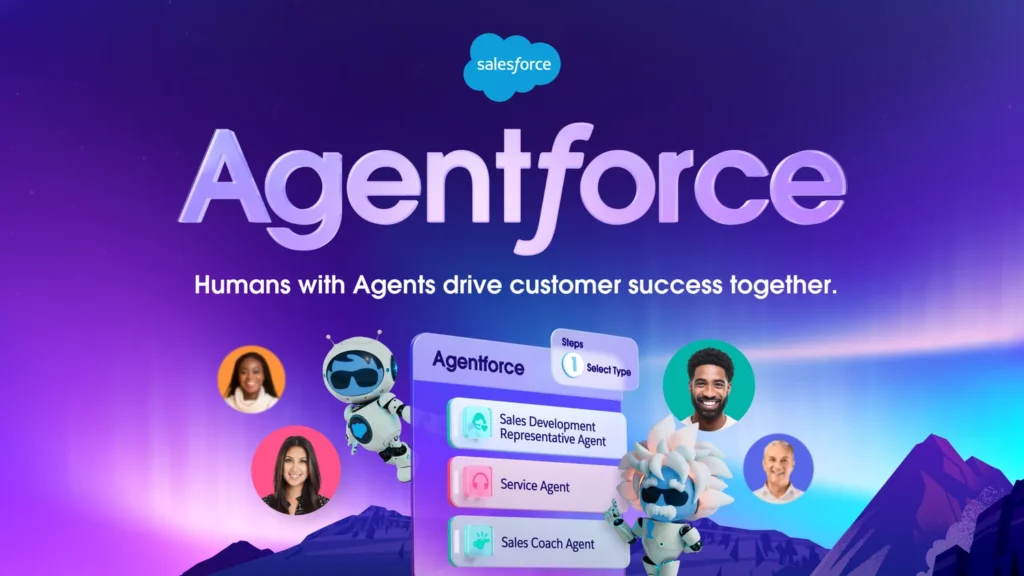
Salesforce positions Agentforce as an enterprise platform, not a basic chatbot. It focuses on agents that can work with business data and workflows, which is why teams planning AI chatbot development need to separate simple conversations from action-taking agents. Salesforce explains that Agentforce agents connect to data sources, plan with reasoning, and complete tasks through actions like workflows and APIs.
Explore more:
- MCP Vs AI Agent: Key Differences, Use Cases, And Architecture
- LangChain Vs MCP: Frameworks, Protocols, And Agent Workflows
- LangGraph Vs MCP: Architecture, Trade-Offs, And When To Use Each
This matters for sales and service. Customer work lives in records, not in prompts. An agent that can update a record, create a task, and notify a teammate delivers real time value.
Executes tasks directly on CRM data
CRM execution needs trust. Agents must respect permissions. They must also log actions and support audits. Agentforce fits well when teams already standardize processes in the CRM.
Many teams start with narrow tasks. They automate call notes, follow ups, and case routing. Then they expand to more complex flows like renewals and escalations.
3. Moveworks: Enterprise Employee Support Agent
Automates IT and HR requests in large enterprises
Internal support often slows employees down. Moveworks focuses on self service that resolves common requests, and is a great agentic AI example. Moveworks explains that employees can ask its AI Assistant to resolve requests like password resets, software installs, and policy questions in seconds, which shows a clear employee support pattern.
You might also like:
- AI Chatbot With Memory: Architecture, Benefits, And How It Works
- Free AI Chatbot: Best Options, Use Cases, And Business Limits
- What Is Artificial Intelligence? Definition, Types, And Real Examples

That pattern scales because it connects chat to systems. The agent does not just answer. It also completes the request when it can.
Reduces manual ticket volume
Support impact becomes visible when ticket volume drops. Moveworks highlights the BambooHR customer story, where automation reduced ticket volume by 20-30%, which shows how automation can relieve service teams.
Teams should still plan for exceptions. They should also tune knowledge sources. However, the case shows why employee support is a common starting point for agentic programs.
4. Artisan Ava: AI Sales Development Representative
Finds leads, sends emails, and books meetings
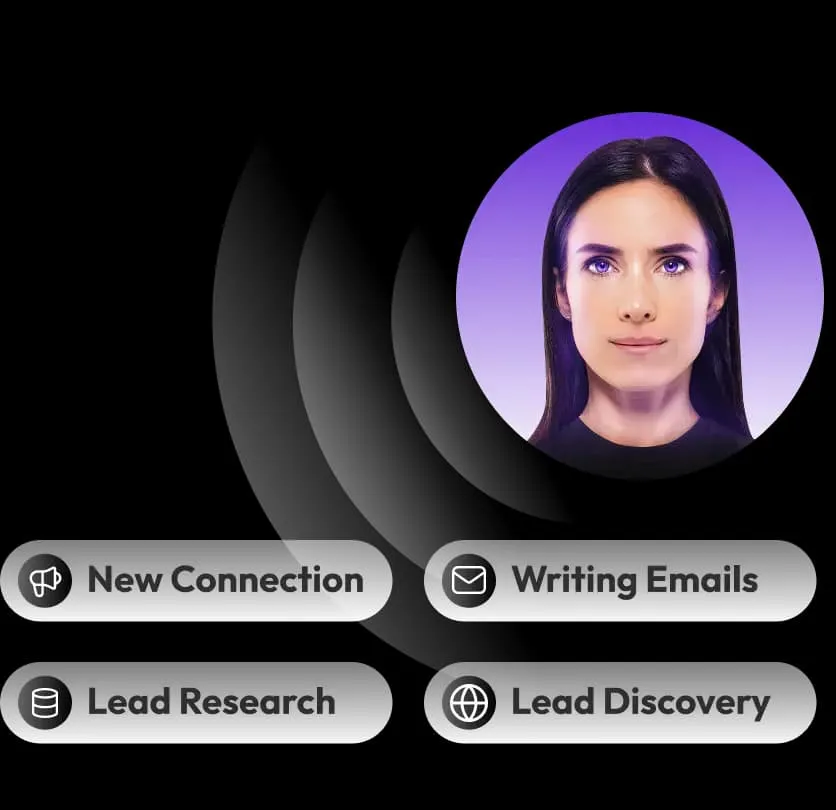
Outbound sales breaks when teams lack time for research and follow up. Artisan positions Ava as a sales agent that handles the outbound motion. Artisan describes Ava as automating the entire outbound demand generation process as an AI sales agent, which maps to prospecting, messaging, and sequencing.
That is why this category grows fast. The work has clear steps. It also has clear success signals like replies and meetings. So agents can iterate and improve.
Acts like a dedicated SDR across time zones
A sales agent can run sequences while humans sleep. It can also personalize messages for new segments. Then humans step in when a prospect shows interest.
Still, teams should avoid spam. They should also control tone, frequency, and compliance rules. With those rules, an AI SDR becomes a repeatable pipeline helper, not a noise machine.
5. Intuit AI: Agentic Finance Assistant
Automates transaction classification
Small businesses spend time sorting transactions and chasing invoices. Intuit has pushed toward embedded help inside its products. Intuit states that Intuit Assist for QuickBooks provides an AI-powered financial assistant to help businesses do work for them and get paid faster, which matches an agentic finance workflow.

That workflow often starts with classification. The agent reviews transactions and suggests categories. Then it can prepare draft entries and prompt the user to confirm.
Suggests tax optimization inside workflows
Tax and compliance tasks also follow patterns. An agent can check common deductions and missing forms. It can also explain changes in plain language. Then it can guide the user through next steps inside the product.
Many teams adopt this approach because it reduces cognitive load. It also reduces mistakes caused by rushed manual work.
6. Perplexity AI: Research Agent for Knowledge Workers
Runs multi step research
Knowledge workers need evidence, not just text. Perplexity positions its research mode as a deeper workflow. Perplexity explains that Advanced Deep Research introduces expanded capabilities and a redesigned interface for its Research feature, which supports research as a repeatable process.
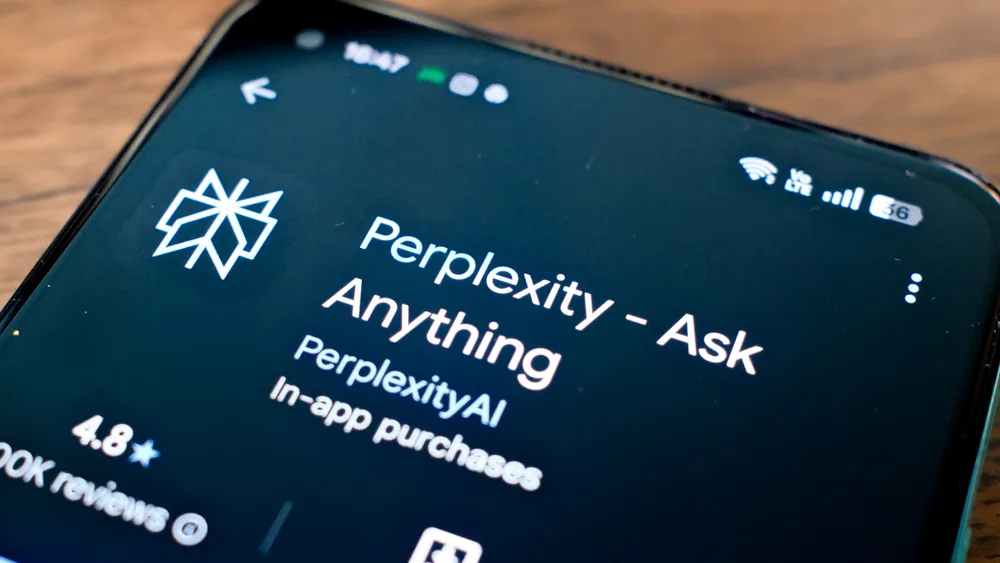
That approach matters because research often needs multiple passes. The agent gathers sources, compares viewpoints, and builds a structured summary. Then it can refine when the user asks a follow up question.
Synthesizes information across many sources
Research becomes useful when it stays grounded. A good research agent shows where it found claims. It also highlights uncertainty when sources disagree. That makes it easier to trust outputs and act on them.
This is why many teams use research agents for briefs, market scans, and technical comparisons. They get faster drafts and clearer citations.
7. Beam AI: Agentic Process Automation Platform
Connects multiple agents into one workflow
Many companies start with one agent and then hit a ceiling. They need orchestration across tools and teams. Beam frames this as connected workflows. Beam explains that an agentic workflow connects tools and tasks into long adaptive chains that manage processes end to end, which fits complex business operations and AI business process automation.

This is useful for document heavy work. It also helps in finance approvals, onboarding flows, and service operations. One agent can extract data. Another can validate. A third can route for approval.
Automates complex enterprise processes
Complex processes fail when steps break across systems. An orchestration platform reduces that risk. It also adds oversight so humans can approve key changes. Then teams scale automation without losing control.
This pattern also supports reuse. Teams can copy a workflow and adjust it for a new department. That speeds adoption, supports AI in product development, and reduces one-off builds.
Conclusion
Agentic AI turns intent into completed work. That is the difference between a smart assistant and a system that delivers outcomes. So, when teams look for agentic ai examples, they should focus on repeatable workflows, not flashy demos.
Real value comes from clear scope and strong control. Each agentic ai use case needs safe tool access, audit logs, and human approval for high risk actions. That setup protects data and keeps decisions accountable.
At Designveloper, we build agentic systems with production standards. We have operated as a Vietnam-based product partner since early 2013, and we ship software that teams can trust. Clients also rate our delivery highly, including an overall 4.9 score on Clutch.
We bring that same discipline to agentic AI. We connect agents to your real stack, like code repos, ticketing tools, and CRM workflows. Furthermore, we also add safeguards, like least privilege access, policy checks, and action previews.
Our portfolio shows how we execute complex products at scale. Teams use our platforms like Lumin, Swell and Switchboard, Walrus Education, Joyn’it, and Bonux, and they benefit from our Designveloper projects and hands-on delivery. That breadth helps us design agents that fit your users, your data, and your operating model.
If you want to move from these agentic AI examples, from experiments to working agents, we can help. We combine web and mobile engineering, DevOps, QA, cybersecurity, and AI development services to launch agentic workflows that stay reliable. Then we iterate with real metrics, so your agents keep getting better after launch.
Also published on

Share post on










Related Articles


RAG Status In Project Management: Meaning, Colors, And Examples
RAG Status In Project Management: Meaning, Colors, And Examples Published September 09, 2026
What Is LangChain and Where Does It Fit in an AI Application?
What Is LangChain and Where Does It Fit in an AI Application? Published August 25, 2026
8 LangChain Use Cases For AI Products That Need More Than Prompts
8 LangChain Use Cases For AI Products That Need More Than Prompts Published August 25, 2026