















How To Reduce Cross-Platform App Development Costs: 5 Practical Steps

KEY TAKEWAYS:
- Reducing cross-platform app development costs starts before coding with clear documentation, user stories, scope control, and a realistic delivery plan.
- Cross-platform development can save time when the team chooses the right framework, shares reusable code, and avoids unnecessary platform-specific features.
- Agile delivery helps control cost by releasing in smaller iterations, collecting feedback early, and reducing expensive late-stage changes.
- UI and UX consistency matters because unclear navigation, weak onboarding, and platform mismatch often create rework after launch.
- Outsourcing can reduce cost only when managed well with clear ownership, transparent estimates, quality checks, and a partner that understands mobile product delivery.
Cross-platform app development can fit your budget when you control scope from the first requirement through delivery. The five steps below explain how to use documentation, shared code, Agile delivery, UI and UX standards, and outsourcing controls to reduce cross-platform app development costs.
Cross-platform app development gives your team one codebase for multiple platforms, but savings depend on how clearly you define requirements and manage delivery. Use this guide before you estimate a new app or replan an existing product.
Steps to Reduce Cross-Platform App Development Costs
There are few industries that can grow as quickly and profitably as the mobile industry. More than 1.4 billion people use smartphones, and this number is likely to increase in the future. The problem with this growth, however, is that it’s expensive. Developing apps for different platforms can be time-consuming and costly, which may hinder you from growing your business or creating an app at all. Fortunately, there are ways to reduce cross-platform app development costs so you can get ahead of the game.
Recommended for you:
- Which Programming Language Is Best for App Development?
- Best Small Business Applications For Owners And Freelancers
- Android App Development: Complete Guide For Businesses

1. First of all: Write a detailed documentation
Documentation errors are unavoidable, but it is still essential to have them. With user stories, you will be able to better communicate your cross-platform mobile app idea. Creating detailed documentation is just as important as building your product. This will help reduce the risk of errors and changes while making your mobile app idea more understandable. User stories are an essential part of this process, which means that you should structure your features according to the end-users expectations.
It should be less frequent with good documentation.
You might also like:
- 10 Best Practices in Software Project Management
- 20 Software Project Management Methodologies for Software Development
- Software Development Life Cycle (SDLC): Guide for Business

2. Engage in cross-platform mobile development
One of the critical components of cross-platform mobile app development is that you’re only developing one version of the app that works on all the platforms your users will be using. For this, you need to have a robust development platform that enables you to develop for different mobile operating systems (OS). For instance, if you create an Android app and plan to build an iOS app, you will want a development platform that supports Android and iOS. The same goes for development platforms that support multiple operating systems. You want to start small and progressively scale your mobile app to the next level. You may have started with a mobile application and will gradually increase the content and features of your app.
3. Follow the Agile Methodology
It’s a common rule of thumb in agile software development to take a minimum of 90 days to deliver your application. This is because it allows you enough time to gather user feedback and create iterations based on that. An agile method also means that you have a faster delivery rate when compared to a traditional waterfall methodology. This allows you to get feedback to incorporate into the app even more rapidly.
The whole idea of mobile app development revolves around the user. This is why your app should be attractive to the masses. You will need to think of the minor details to give them an experience they can’t live without. For this, you will need to get feedback from a panel of users before you embark on designing the app.
Further reading:
- Agile Vs. Waterfall Vs. Scrum Vs. Kanban: Key Differences
- Scrum Software Development Turns Change Into Working Software
- What Is Software Development and the Software Development Process?

4. Follow standard UI and UX guidelines
Smartphones are also built to look and function a certain way. Most of them have a normal screen that displays content, games, or any other program you can download. There is, however, also a larger screen that is usually hidden at the bottom of the phone. It is responsible for displaying advertisements or other options to those who are on the device. If your app is utilizing this screen, you will need to design it to resemble the top screen. Google and Apple offer a set of guidelines on mobile design, which are well suited to follow. For instance, they specify how content should be shown on the top screen to receive the necessary attention from the user. They also determine how you should present navigational buttons.
Related reading:
- Top 7 Essential UI Design Principles for Newbies
- Guide about Web Application Development for Beginners
- 7 Stages of Mobile App Development Process
5. Outsource the cross-platform mobile development project
App development services can be obtained online by the general public. Here are a few of the most popular solutions to consider:
- APPX
- AppDynamics
- Zure
- Mobile Apps Vertical Application Development (VAD)
Once you have selected your software development outsourcing partner, you’ll have to choose an agreed-upon template to get started. Since it is outsourced, you have to be the only one accountable for the project. This also implies that you must pay for your outsourced developer’s time because the project timeline is typically non-negotiable. Fortunately, not every developer is expensive. It is thus easy to make a wise choice and get your project up and running in no time.
Things to consider before outsourcing app development
Mobile app development is a complex business that requires an experienced team to provide a quality product. Choosing the right mobile app development agency will help cut down on costs by taking on more tasks than you can handle. Before choosing a mobile app development agency, make sure you know exactly what you want to achieve. Ideally, you want to develop a mobile app that is used on an enterprise level. This will reduce the number of resources you will need to dedicate to the project and minimize the number of updates you have to make to your app.
Mobile app development for both web and app stores is becoming more and more popular. Whether you need a complete app from the get-go or you’re just looking for an add-on, most app developers can assist you. Designveloper’s mobile app development services help businesses create personalized apps for their target audience and build something unique so that it suits the user.
For a deeper dive, read:
- Custom Software Development: How It Can Drive Your Business Growth
- 13 Different Types of Software Development Services
- iOS App Development: 10 Essential Tools for Every Developer

Conclusion
Companies are increasingly becoming mobile-first. This is because people use their smartphones for various tasks, from searching to social networking to shopping. In the past, companies would build a native app for each platform they wanted to support. Now, some companies are developing cross-platform apps that target multiple platforms simultaneously with mobile development and end up with apps that are not as efficient or performant as they could be if they were developed separately. Mobile development has become an enormous industry, and with the release of new technologies, it will only get more expensive. But there are ways you can reduce cross-platform app development costs.
Also published on

Share post on










Related Articles


Agentic AI Impact On The Workforce: Changing Tasks, Jobs, And Skills
Agentic AI Impact On The Workforce: Changing Tasks, Jobs, And Skills Published October 02, 2026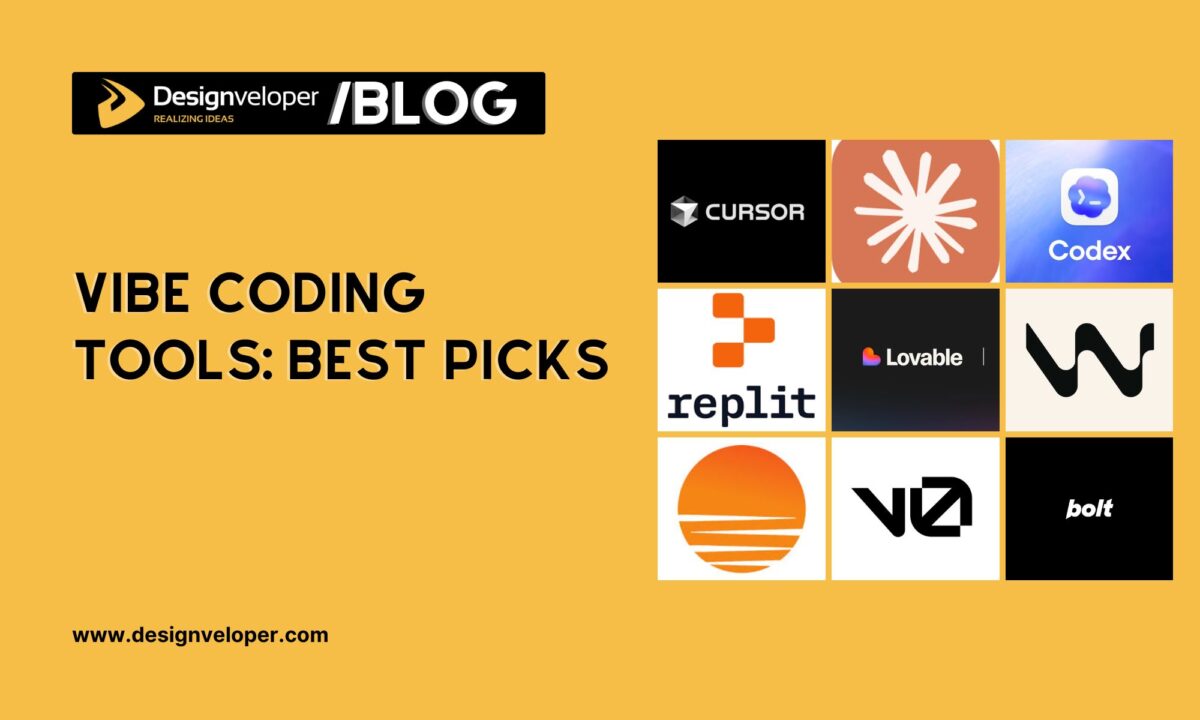
13 Best Vibe Coding Tools for Building Apps and Editing Codebases
13 Best Vibe Coding Tools for Building Apps and Editing Codebases Published September 30, 2026
Can ChatGPT Create an App? What It Can Build and What to Check
Can ChatGPT Create an App? What It Can Build and What to Check Published September 30, 2026