












Animated Website Templates In 2026: 9 Sources to Explore & Compare

KEY TAKEAWAYS:
- Choose by workflow, not a screenshot. Decide whether you need a publishable site, an editable project, or motion inspiration, then shortlist sources that match your builder.
- Check what is included. Confirm the files, export or clone options, publishing requirements, license, and support before adapting a template.
- Test the finished experience. Preview on a phone, try keyboard and touch interactions, check page weight, and respect reduced-motion preferences. Start with the principles of web design that the motion should reinforce.
An animated hero can look polished in a desktop preview and still be a poor fit once you try to edit it, publish it, or use it on a phone. The phrase “animated website template” is also used loosely: a listing may be a working site, a cloneable project, a motion asset, or only a visual example. The aim here is to help you move from visual appeal to a practical shortlist by separating those source types, comparing what each is useful for, and identifying what to test before building around one.
What Is an Animated Website Template?
An animated website template is a reusable page or site layout that includes motion or interaction patterns, such as scroll reveals, moving illustrations, animated type, or interactive product views. The label does not guarantee that the listing contains a complete, publishable website. Before choosing one, identify which of these you are actually browsing:
- Website template: A reusable layout built for a particular site builder or CMS. It may include editable pages and preconfigured motion, but publishing and export options depend on the platform and item.
- Cloneable example: A community project you can inspect or duplicate in its original builder. It can be a useful starting point, but may need content, responsive, accessibility, and production cleanup.
- Animation asset: A motion file or visual element intended to be embedded in a site. It can add an effect to an existing page, but is not the site’s navigation, layout, or publishing setup.
- Inspiration gallery: A collection of live-site examples or screenshots. It helps you study motion ideas; it does not necessarily provide source files or permission to reuse the design.
These categories overlap, but they are not interchangeable. A useful website animation reference can help you name an effect; the source listing still needs to tell you what you can edit, export, or publish.
Where to Browse Animated Website Templates and Examples
These providers do different jobs: some sell or host reusable site templates, some offer animation assets, and others collect examples for inspiration. The list is a directory rather than a quality ranking. Source pages were checked on September 30, 2026; availability, template terms, and publishing options can change, so confirm the exact listing before building around it.
Framer and Webflow: Platform-Specific Templates and Examples
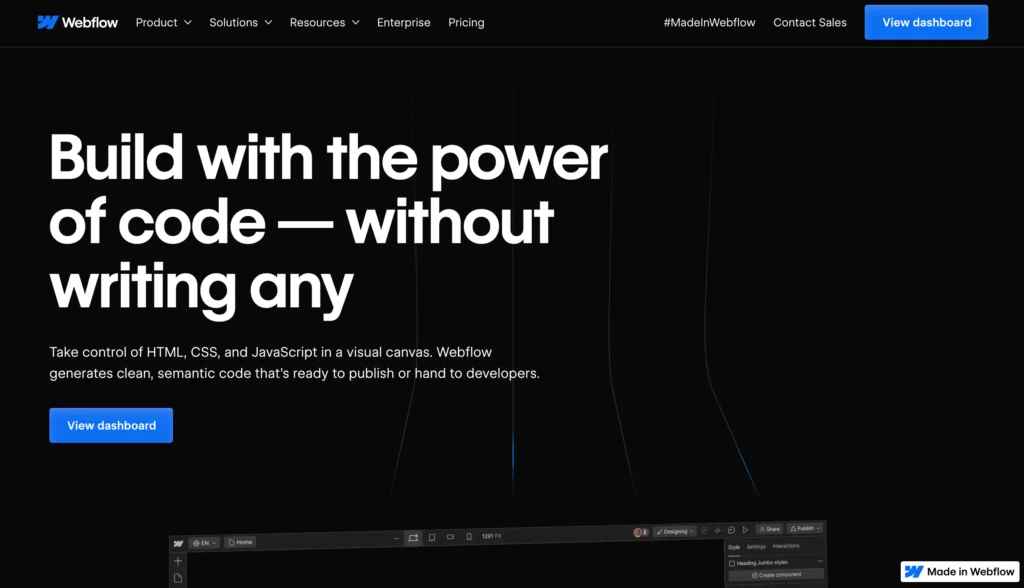
Framer’s animated template category is a direct starting point when you expect to build and publish the site in Framer. Compare the actual pages, responsive behavior, editing controls, and any CMS needs. Webflow’s animation showcase helps you inspect community-made projects; where cloning is available, treat the clone as a starting point and check its assets, forms, CMS, breakpoints, and permissions before adapting it.
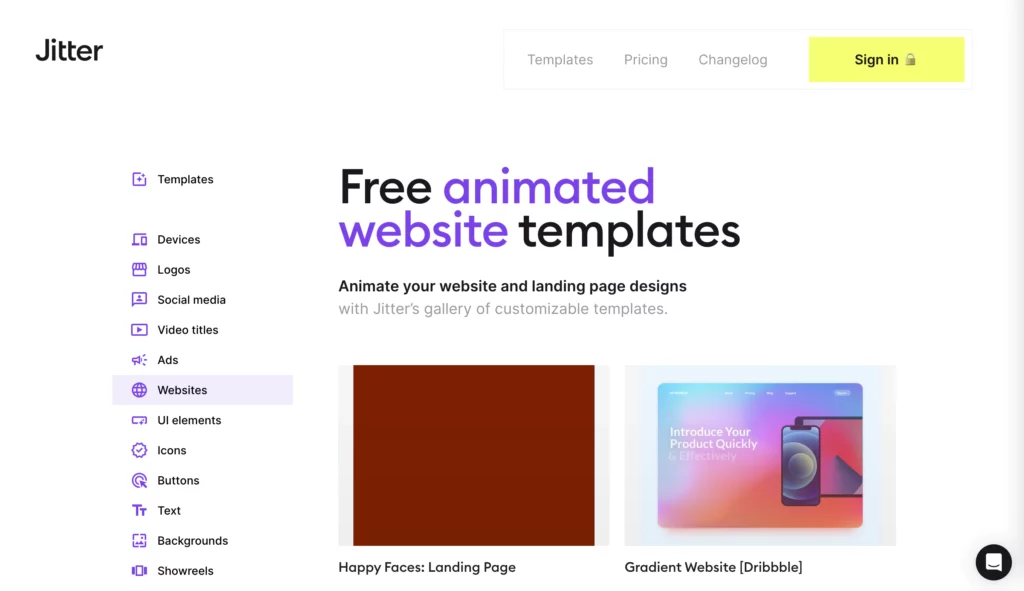
Jitter: Explore Motion-Led Website Concepts
Jitter’s website template gallery is useful for exploring editable motion treatments and landing-page ideas. Confirm the deliverable for the individual item: a site you can publish, an animation asset, or a visual concept that needs to be rebuilt in your chosen site builder.
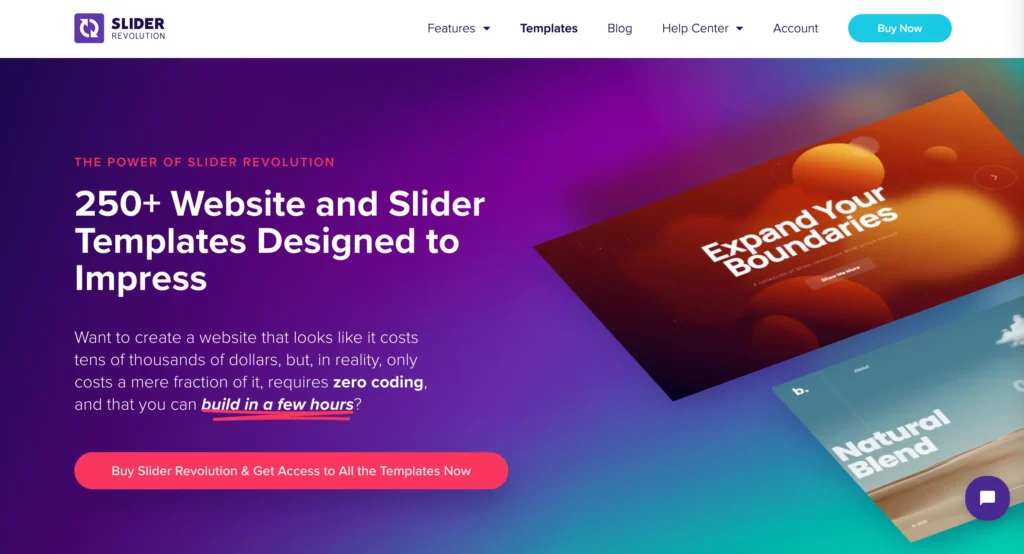
Slider Revolution: Add Motion to WordPress Pages
Slider Revolution’s animated website examples are relevant when you are building within its WordPress-oriented workflow and want motion-rich sections or page treatments. Check the current plugin requirements, license, theme compatibility, and how the effect behaves without the plugin before choosing a design.
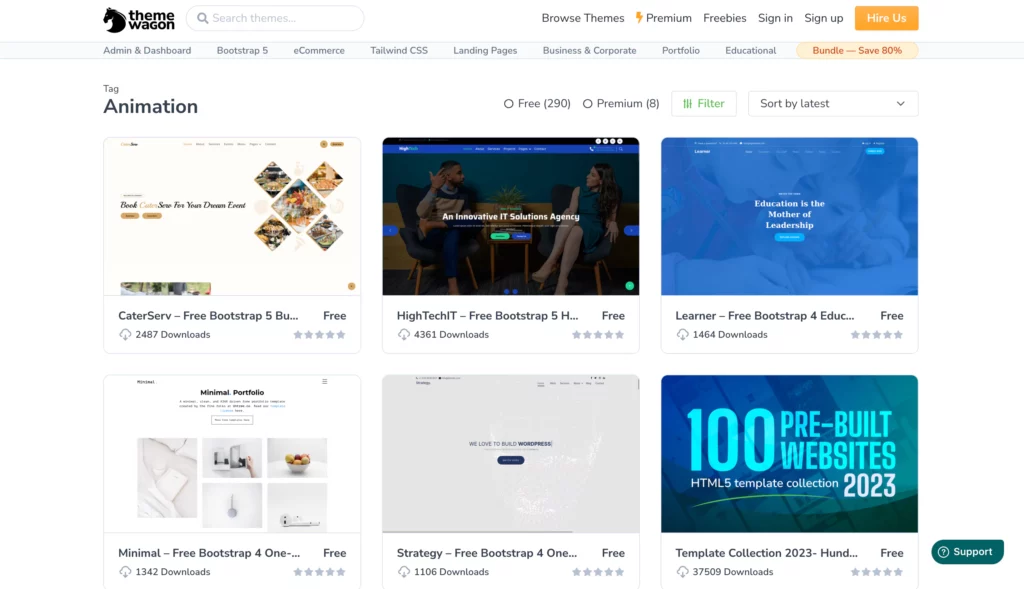
Theme Wagon: Find Animation-Tagged Themes
Theme Wagon’s animation-tagged themes can be a useful starting point for code-based or framework-oriented templates. Check the theme’s live demo, source code, dependencies, license, and maintenance status; an animation tag alone does not establish that the whole site is animated or production-ready.
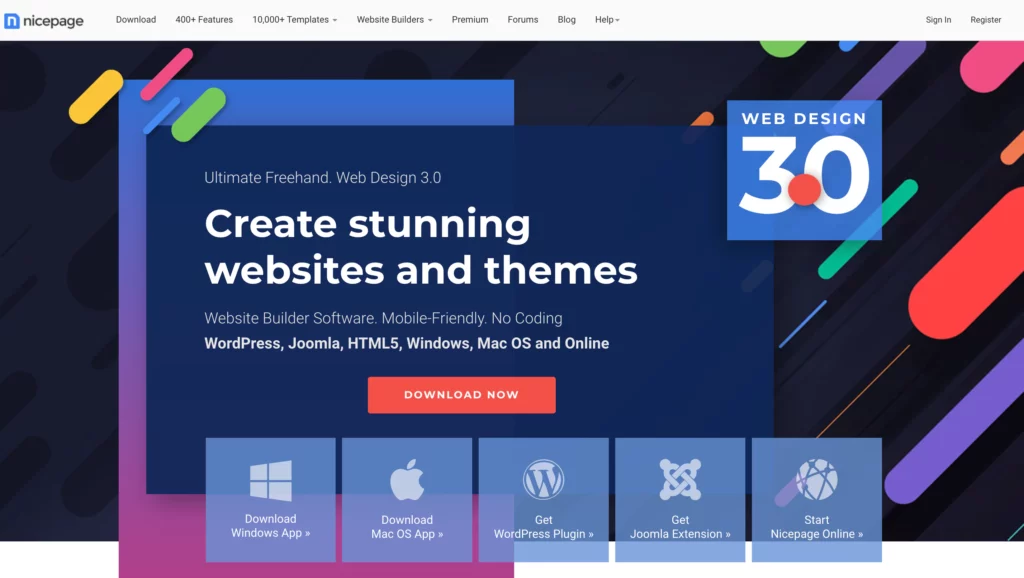
Nicepage: Explore Animation-Oriented Templates
Nicepage’s animation template category is another place to browse ready-made designs. Check what the specific template lets you edit and how the finished site is exported or published; template previews alone do not confirm portability or accessibility.
Wix: Choose a Template Inside Its Builder
Wix’s template library is a platform-specific route for teams that want to customize and publish within Wix. Inspect the chosen template’s built-in effects and test them in the editor at mobile widths; do not assume that a design or interaction transfers unchanged to another CMS.
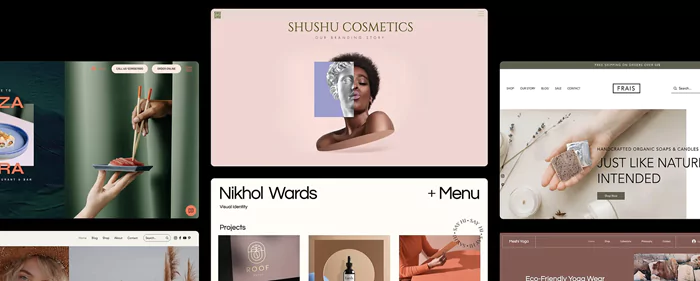
Elementor: Build Motion Within WordPress
Elementor’s library is useful when the site is built in WordPress and the design needs to work with Elementor’s editor and widgets. Check which effects require a particular plan or add-on, and review the impact of widgets and scripts on the rest of the page.

For visual research rather than reusable files, A1 Gallery’s animated website examples can help you compare styles and interactions. Follow each example to its creator if you need a template, implementation details, or permission; a gallery entry by itself is not a downloadable asset.
Use this list to find candidates, not to skip due diligence. It does not rank template quality or compare prices because those vary by item, account, license, and publishing setup.
How to Use an AI Prompt for an Animated Website
An AI website builder or coding assistant can turn a detailed brief into an initial layout, copy, visual direction, or interaction draft. For example, Figma describes a prompt-to-site workflow for generating responsive, interactive sites, while Framer describes editable AI-generated pages. Those are vendor descriptions, not independent quality tests. A prompt works better when it describes the audience and task first, then specifies where animation should appear and what constraints the finished page must meet. AI output still needs human review and testing.
What to Include in an Animated Website Prompt
Give the AI enough context to make design choices without asking it to invent the product. Include the site’s goal, audience, platform or output format, page sections, brand direction, motion triggers, and limits for mobile, accessibility, and performance.
- Purpose and audience: What the site offers, who needs it, and what the visitor should do.
- Structure and content: Required sections, real copy or content placeholders, navigation, and primary call to action.
- Motion behavior: Which element moves, what triggers it, how long it should run, and whether it can be paused or skipped.
- Delivery constraints: Target builder or framework, responsive states, keyboard behavior, reduced-motion fallback, and a limit on heavy assets or unnecessary scripts.
A practical prompt could look like this:
Create a responsive landing page for [product/service] for [audience]. The main goal is [user action]. Include a clear hero, benefits, proof, and contact section using the supplied copy. Use a restrained visual style with one scroll reveal for section transitions and subtle button feedback. Keep all essential text visible without animation; provide keyboard-operable controls and a reduced-motion version. Avoid autoplay audio, flashing effects, and large video backgrounds. Build for [platform/framework]. Explain which interactions are placeholders and list what needs testing before launch.Review AI-Generated Motion Before Publishing
AI can suggest interactions or generate code that appears correct in a preview but behaves differently across browsers, devices, and assistive settings. Check whether the generated motion supports a user action, whether the site remains understandable with motion disabled, and whether scripts, images, or video delay the page. Review code, licensing of generated or supplied assets, privacy implications of any personalization, and integrations before launch.
For a production site, treat the generated page as a prototype: test the real content, keyboard and touch controls, reduced-motion preference, responsive layout, and loading behavior, then revise the prompt or implementation from observed issues. AI can speed up exploration; it does not replace design review, accessibility checks, or performance testing.
How to Choose an Animated Website Template
Start with the site you need to publish and work backward to the animation. A template is a fit only when its platform, rights, editing workflow, and behavior support that site.
- Set the publishing path. Name your current builder or CMS, hosting setup, and required integrations. Check whether the template stays in that platform, exports usable code, or needs a rebuild. A preview alone does not answer this.
- Confirm the deliverable and license. Read the item page for included pages, source files, assets, clone permissions, commercial use, attribution, updates, and support. A free preview or a public example is not automatically a free-to-reuse design.
- Estimate the full cost. Account for the template license, builder or hosting plan, paid assets or plugins, renewal terms, and support—not only the price shown on the template card.
- Match motion to a user task. Use movement to show a state change, guide attention, or explain a product—not simply because the template includes an effect. Hover feedback needs a touch equivalent, and a message should remain understandable if its animation is disabled.
- Check the small-screen version. Test the actual demo at phone and tablet widths. Look for clipped text, awkward scroll timing, controls that only work on hover, and animations that compete with the main action. These checks belong alongside responsive web design examples, not after launch.
- Respect motion preferences. Verify that the implementation can respond to a visitor’s reduced-motion setting. The prefers-reduced-motion media feature lets a site adapt or remove nonessential movement; also preserve the same information and controls in the reduced-motion version.
- Test the real page weight. Large video backgrounds, 3D assets, and animation scripts can add work for the browser. Preview the customized page on a mid-range phone and a slower connection; remove effects that delay content or make scrolling harder.
For example, a small business owner choosing a portfolio template should test the contact form, editing workflow, and mobile menu before judging the hero animation. If the owner cannot maintain the pages or the form breaks on a phone, a more dramatic preview does not make the template a better fit.
If the interaction needs review before implementation, a prototype can help the team test timing and feedback without committing to a full site. Choose from relevant prototyping tools only when that validation step adds value; it is separate from choosing a production template.
Animated Website Examples by Motion Type
Motion patterns are easier to compare when you describe their trigger and purpose. These examples are design references, not a promise that every effect is included in a downloadable template.
Scroll-Triggered Motion
A scroll animation responds as a visitor moves through a page. It may reveal a section, change a visual state, or create depth by moving layers at different speeds. It works best when the motion reinforces the order of the content; if it delays reading or makes the page feel unstable, simplify it.
The Webflow example below uses an animated grid as a visual reference. Its live community page can be inspected separately, but check its current clone and usage terms before adapting the project.
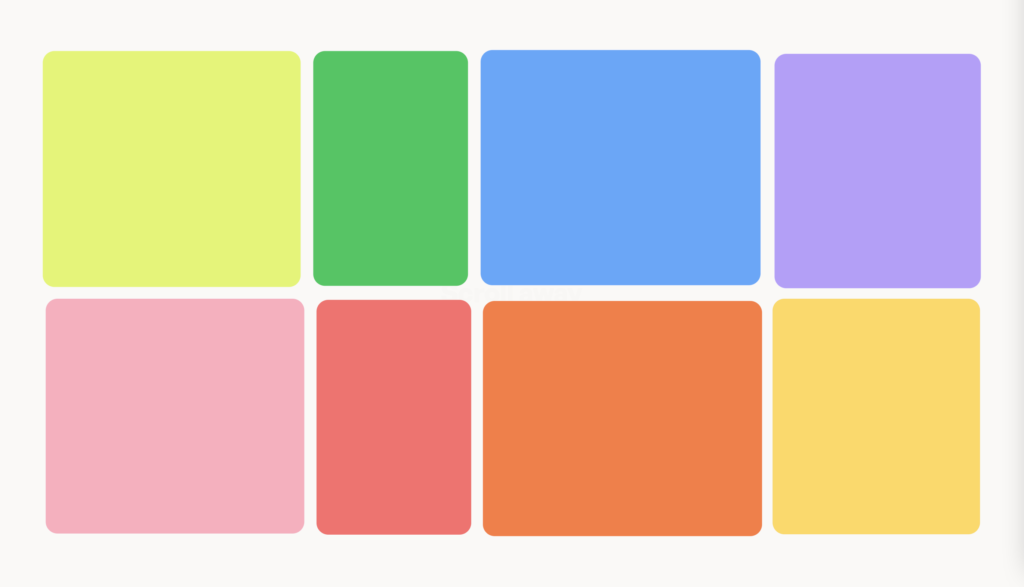
Scroll reveals and parallax are different implementations of a broader scroll-triggered pattern. Preview the exact project rather than assuming that a similar screenshot uses the same effect, library, or reusable files.

Micro-Interactions
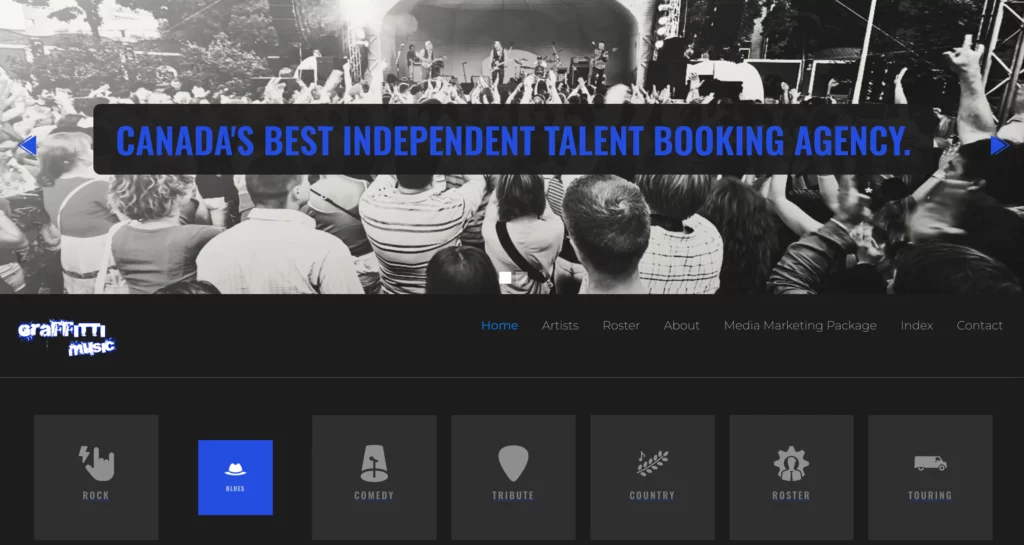
A micro-interaction pairs a user trigger with visible feedback: a button changes state after activation, a form marks an error beside the relevant field, or a menu confirms that it opened. The useful unit is trigger, feedback, and outcome. An effect that adds movement without clarifying state is decoration, not guidance.
Ambient Motion and Animated Type
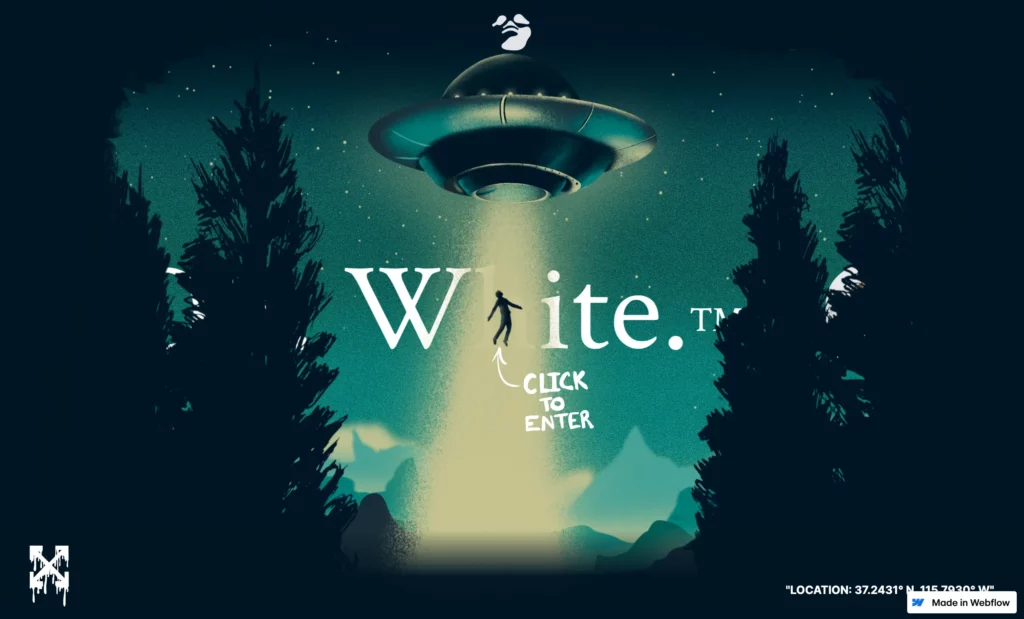
Ambient movement—such as a looping illustration or a gently shifting background—can establish a visual mood without responding to a specific action. Animated type can emphasize a short phrase, but it should not delay the message, reduce contrast, or make text difficult to scan. Keep essential copy visible and provide a simpler motion state when needed.
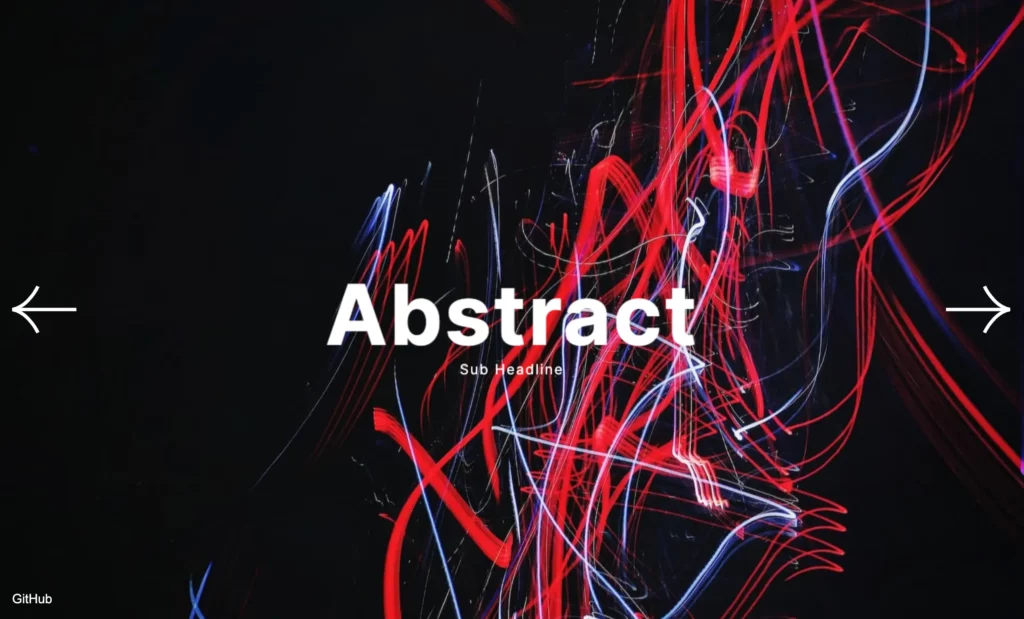
Interactive 3D
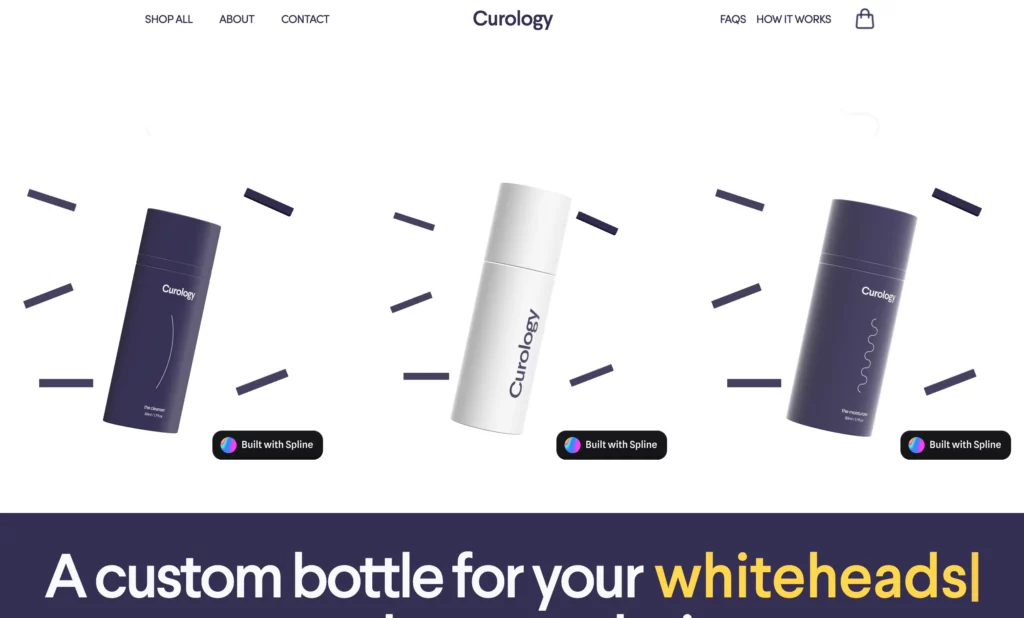
Interactive 3D can let visitors rotate or inspect a product. It is most useful when viewing the object from several angles answers a real question. Before selecting a template, check the asset-loading behavior, mobile controls, keyboard access, and whether a static image is available as a fallback. Do not infer a conversion lift from the presence of a 3D model.
FAQs About Animated Website Templates
Template access, platform compatibility, and animation behavior depend on the specific provider and item. These answers highlight the checks that matter before you reuse or publish a design.
Are Animated Website Templates Free?
Some libraries include free listings, while other templates require payment or a platform plan. Check the exact item’s commercial-use license, attribution rules, and publishing requirements; a free preview does not establish reuse rights.
Can I Use a Framer or Webflow Template on WordPress?
Not automatically. A template built for one platform may depend on its editor, components, or hosting workflow. Confirm that the listing provides a portable export you can operate, or budget for rebuilding the design in WordPress.
Does a Responsive Template Guarantee Accessible Animation?
No. Responsive layout describes how content adapts to screen sizes; it does not prove that motion works for touch, keyboard, or reduced-motion preferences. Test those behaviors in the actual customized page before publishing.
The practical choice is the template that fits your publishing workflow and stays clear when its motion is reduced—not the one with the busiest preview. Confirm the license, test the real page on mobile, and keep only effects that help visitors understand or use the site.
If the site needs brand-specific interactions, complex integrations, or behavior that a template cannot support cleanly, consider a custom build instead of layering on more plugins. Designveloper’s web development services cover bespoke website work; where the experience uses AI-generated content or personalization, its AI development services are a separate capability to assess against the product requirements.
Also published on

Share post on










Related Articles



Best Web Server Software In 2026: 11 Options Compared By Role
Best Web Server Software In 2026: 11 Options Compared By Role Published October 16, 2026
WebSocket Protocol vs HTTP: Differences, Use Cases, and How to Choose
WebSocket Protocol vs HTTP: Differences, Use Cases, and How to Choose Published October 16, 2026
Responsive Web Design Principles: 10 Practical Rules For Better UX
Responsive Web Design Principles: 10 Practical Rules For Better UX Published October 07, 2026