











Top 20 Mobile App Design Tools and Software for 2026

Choosing the right mobile app design tool is not just a design decision. It affects speed, handoff, testing, and how quickly your team can ship. The good news is that most teams do not need twenty tools. They need one strong core design tool, one prototyping layer if interactions matter, and a clean way to hand work to developers.
This guide compares 20 mobile app design tools that still matter in 2026. It covers UI design, wireframing, prototyping, collaboration, and developer handoff. It also explains where each tool fits, where it falls short, and which teams should actually use it.
Discover Best UX UI Design Companies
Quick Answer: Best Mobile App Design Tools at a Glance
If you only need a shortlist, start here.
For most teams, Figma is still the safest default. It handles UI design, team collaboration, design systems, and developer handoff better than most alternatives. If you need deeper interaction design, add ProtoPie. If your team is Mac-first and already comfortable with Apple-native workflows, Sketch still deserves a serious look.
Best Picks by Category
- Best overall: Figma
- Best for Mac-based designers: Sketch
- Best for advanced prototyping: ProtoPie
- Best for wireframing: Balsamiq
- Best for developer handoff: Zeplin
- Best for logic-heavy product prototyping: UXPin
- Best for vector assets and interface illustrations: Affinity Designer 2
Comparison Table
| Tool | Best for | Platform | Pricing model |
|---|---|---|---|
| Figma | End-to-end product design | Web, Mac, Windows | Free Starter plan; Professional from $16/full seat/month. Figma Pricing |
| Sketch | Mac-first UI design | Mac, web viewing | Standard from $12/editor/month billed yearly; Mac-only license $120/seat. Sketch Pricing |
| ProtoPie | High-fidelity interactions | Mac, Windows, web | Free plan; Basic $25/month; Pro $47/editor/month. ProtoPie Pricing |
| Balsamiq | Low-fidelity wireframes | Web, desktop | Business from $12/month for 2 projects. Balsamiq Pricing |
| Zeplin | Handoff and specs | Web, integrations | Free plan; Basic from $13.75/month billed annually; Advanced from $12/seat/month. Zeplin Pricing |
| UXPin | Logic-based prototypes | Web | 14-day free trial; Core from $49/month; Growth from $40/month billed annually. UXPin Pricing |
| Axure | Enterprise flows and documentation | Mac, Windows, web | Pro from $29/user/month; Team from $49/user/month. Axure Pricing |
| Affinity Designer 2 | Vector UI assets | Mac, Windows, iPad | One-time license; Universal Licence $164.99. Affinity Designer 2 Pricing |
You might also like: Best Prototyping Tools for Designers
How These Mobile App Design Tools Were Evaluated
Not every tool in this list plays the same role. Some are full product design platforms. Some are better for prototyping, wireframing, or developer handoff. The goal of this comparison is not to reward the biggest brand names. It is to highlight tools that still make sense for modern mobile app design workflows in 2026.
Evaluation Criteria
- UI design capability: A strong mobile app design tool should handle screen layouts, reusable components, grids, styles, and modern design systems without too much friction.
- Prototyping depth: This matters when teams need to test flows, transitions, states, gestures, or more realistic product behavior before development starts.
- Collaboration and handoff: A tool becomes more useful when designers, developers, and stakeholders can work from the same source of truth and reduce rework during delivery.
- Platform support: Cross-platform support matters because many teams now work across web, Mac, Windows, iPad, and mobile preview environments.
- Ease of use: A feature-rich tool still creates drag if the team cannot adopt it quickly or use it consistently.
- Pricing and long-term value: Cost should reflect how much workflow value the tool adds over time, not just the cheapest entry price.
- Relevance in 2026: Some older tools still work well, but tools that are no longer central to modern product workflows deserve more caution.
Discover more here:
- Mobile App Design Process
- Best Strategies for Optimizing UX Design Workflows
- Latest Mobile App UX/UI Design Trends
Detailed Reviews of the Best Mobile App Design Tools
The right mobile app design tools help teams move faster from idea to launch. The tools below are compared based on usability, features, prototyping, integrations, and overall value.
1. Figma
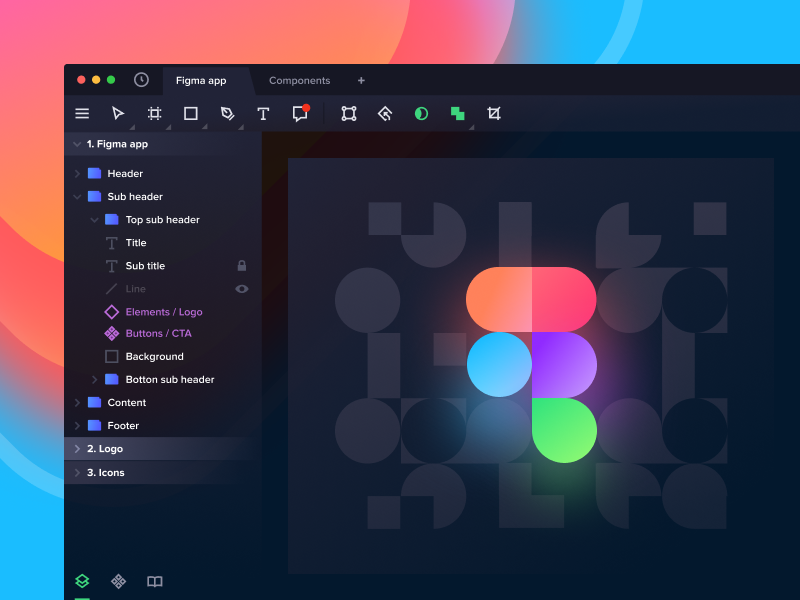
Figma is the strongest all-around mobile app design tool for most teams. It combines interface design, prototyping, shared libraries, comments, and developer handoff in one product.
Figma works especially well for teams that move fast and need one shared workspace. Its real-time collaboration is still one of its biggest advantages. Dev Mode also gives developers a cleaner inspection flow than the old export-and-guess workflow many teams still struggle with, which is why Figma is the best place to start for product teams that want one default tool for UI design, collaboration, and handoff.
- Key features: Components, variables, auto layout, shared libraries, prototyping, Dev Mode
- Prototyping: Supports click-through flows, overlays, smart animate, variables, conditional logic, and richer interactive states inside design files.
- Integrations: Connects with Jira, Storybook, GitHub, VS Code, and a large plugin ecosystem, with Code Connect and MCP support for design-to-code workflows.
- Pros: Excellent collaboration, strong ecosystem, widely adopted, easy handoff
- Cons: Large files can get heavy, advanced interaction logic is still less flexible than specialist prototype tools
- Pricing: Free Starter plan available. Professional starts at $16/full seat/month, with Dev seats from $12/month and Collab seats from $3/month.
Here’s something worth exploring:
- Web Design Trends to Watch
- Best Web Design Tools
2. Sketch
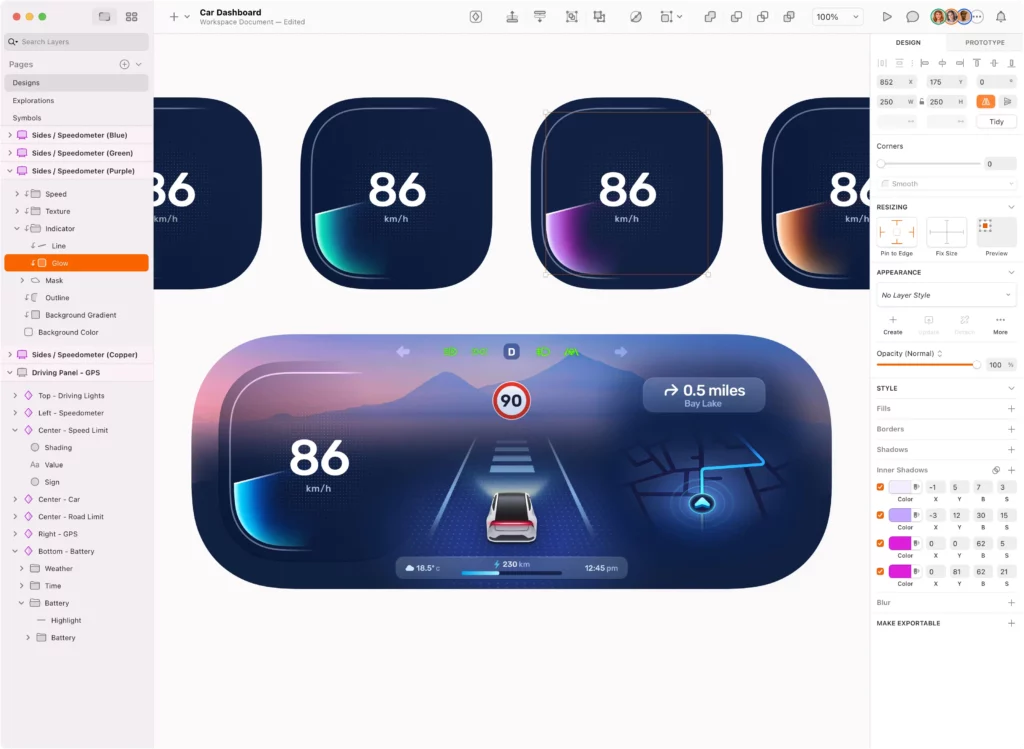
Sketch is still a strong product design tool for Mac-based teams. It stays focused on UI design and keeps a cleaner, more native feel than many browser-first tools.
Sketch is no longer the default choice for every product team, but it still fits some workflows very well. Teams that already work on Macs and care about a polished native app experience will still find a lot to like. Cross-platform teams usually lean toward Figma instead, which is why Sketch makes the most sense for Mac-first product designers and teams already invested in the Sketch workflow.
- Key features: Native Mac app, symbols, libraries, prototyping, developer handoff, web workspace
- Prototyping: Supports overlays, smart animate, hover, press, drag, swipe, and multi-directional scrolling, with preview in web, iPhone, and iPad apps.
- Integrations: Supports Slack and other workspace integrations, and fits well into Mac-first workflows with shared libraries and web-based handoff.
- Pros: Fast native experience, mature UI workflow, strong design craft feel
- Cons: Mac-centric, weaker default fit for mixed-device teams
- Pricing: Standard starts at $12/editor/month billed yearly. Professional is $24/editor/month billed yearly. Enterprise is $44/editor/month billed yearly. A Mac-only license costs $120 per seat.
Discover the top mobile app ideas that could generate money in this article.
3. Framer
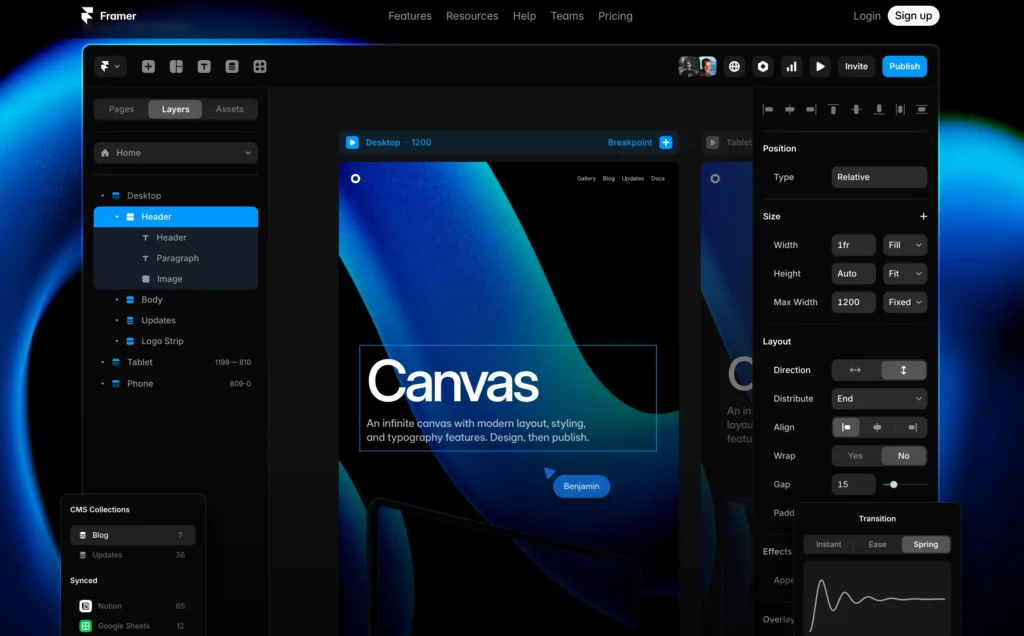
Framer now sits closer to the design-to-site space than classic mobile product design. It still helps with interactive layouts and rapid visual prototyping, but it is no longer the standard answer for standalone product prototyping.
Framer adds the most value when a workflow crosses from design into production-minded marketing or interactive web experiences. That does not make it useless for app teams, but it does mean expectations should stay clear. If the job is pure mobile app UI and handoff, Framer is rarely the best core tool, even though it can still work well for teams that want visual prototyping with a stronger bridge to shipped experiences.
- Key features: Interactive layouts, animation, publishing workflow, collaborative editing
- Prototyping: Strong for interactive layouts, animations, hotspots, scroll-based behavior, and realistic web-style flows.
- Integrations: Best-known integrations are tied to publishing and growth workflows, including analytics, forms, webhooks, and embeds, plus Figma import support.
- Pros: Fast for expressive interactive work, strong visual output
- Cons: Not the best fit for traditional mobile app design systems, standalone prototyping plans were discontinued
- Pricing: Free plan available. Basic starts at $10/month billed annually, Pro at $30/month billed annually, and Scale at $100/month plus usage. Extra editors start at $20/month on Basic and $40/month on Pro or Scale.
4. ProtoPie
ProtoPie is one of the best tools for advanced mobile prototyping. It is built for realistic interactions, motion, sensors, inputs, and flows that go beyond simple screen linking.
ProtoPie matters most when a team needs to test how an app feels, not just how it looks. If gestures, transitions, and dynamic states affect the product experience, ProtoPie gives designers more range than most all-in-one design tools, which makes it the best upgrade layer for teams that need high-fidelity interaction design and realistic mobile prototypes once basic prototype links are no longer enough.
- Key features: Variables, sensors, triggers, conditional logic, device testing, handoff recordings
- Prototyping: Excellent for high-fidelity interactions, sensors, variables, triggers, conditional logic, and device-level testing.
- Integrations: Imports from Figma and supports broader workflows through Connect, including Unity, Unreal, and custom socket-based setups.
- Pros: Excellent for advanced interactions, strong testing value, realistic behavior
- Cons: Best used alongside a core UI design tool, not instead of one
- Pricing: Free plan available. Basic is $25/month for one seat. Pro is $47/editor/month. Enterprise pricing is custom.
Further reading:
- Best Vibe Coding Tools for Beginners
- Must-Know Flutter Tools for App Development
- Leading Generative AI Tools You Should Invest
5. Origami Studio
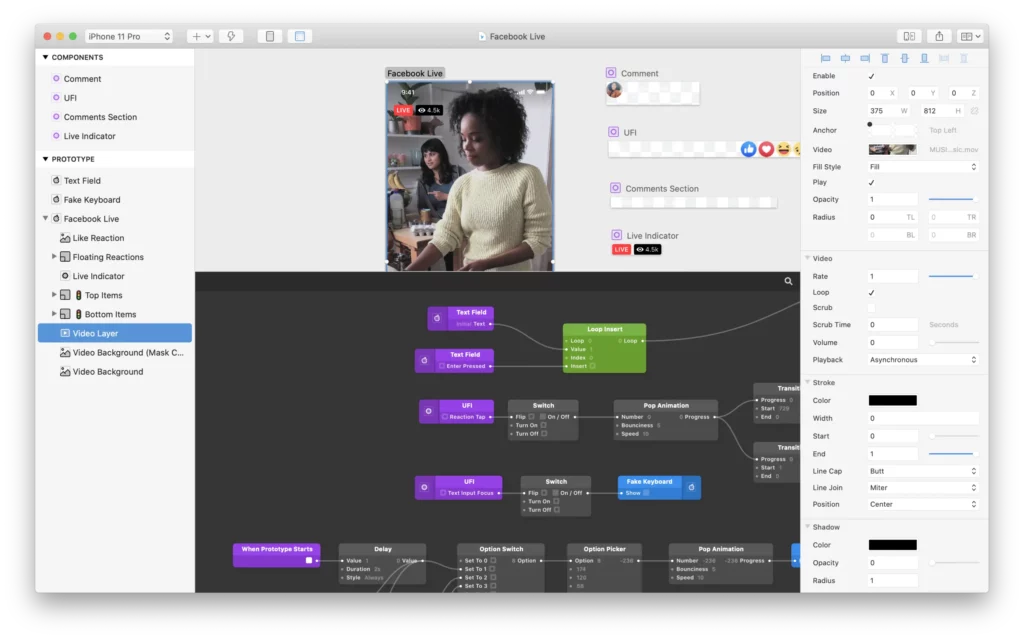
Origami Studio is powerful, but it is not for every team. It is best for designers who need complex interactions and are willing to accept a steeper learning curve.
Origami Studio shines in motion-heavy product work and experimental interaction design. That strength comes with a tradeoff, because it is not the easiest tool to hand to a broad cross-functional team. Origami works better as a specialist tool than a team default, especially for designers who need deep interaction control and can tolerate complexity.
- Key features: Patch-based interaction logic, advanced animation, real device preview
- Prototyping: Very strong for advanced interactions, animation logic, and real-device previews.
- Integrations: Integration support is limited compared with larger platforms, so most teams use it as a specialist prototype layer rather than a workflow hub.
- Pros: Powerful interaction control, strong for sophisticated prototype behavior
- Cons: Steeper learning curve, narrower team adoption
- Pricing: Free.
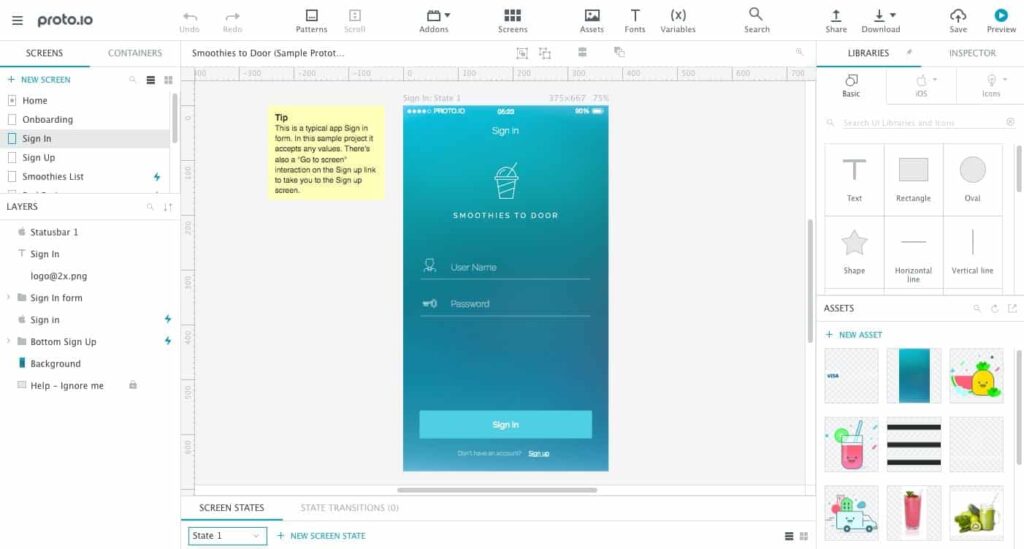
6. Proto.io
Proto.io stays relevant because it lowers the barrier to interactive prototyping. It is web-based, supports feedback and sharing, and offers a faster path from mockup to testable flow than heavier tools.
Proto.io is a good fit for teams that need to move quickly without deep technical setup. It is less sophisticated than ProtoPie for advanced logic, but it is easier for many teams to adopt and easier to share with stakeholders, which is why it offers a good middle ground between simplicity and capability for teams that need fast interactive mobile prototypes with low setup overhead.
- Key features: Mobile preview apps, comments, sharing, import from design tools, export options
- Prototyping: Supports interactive mobile prototypes, animations, gestures, and native-style UI components.
- Integrations: Offers plugins and imports for Figma, Sketch, Adobe XD, and Photoshop, plus embeds for Jira, Confluence, and Trello.
- Pros: Easy to adopt, good for stakeholder demos, solid mobile preview workflow
- Cons: Less powerful than top-tier advanced prototyping tools
- Pricing: Free limited plan available. Paid plans start at $29/month on Freelancer, or $24/month when billed annually.
7. Justinmind
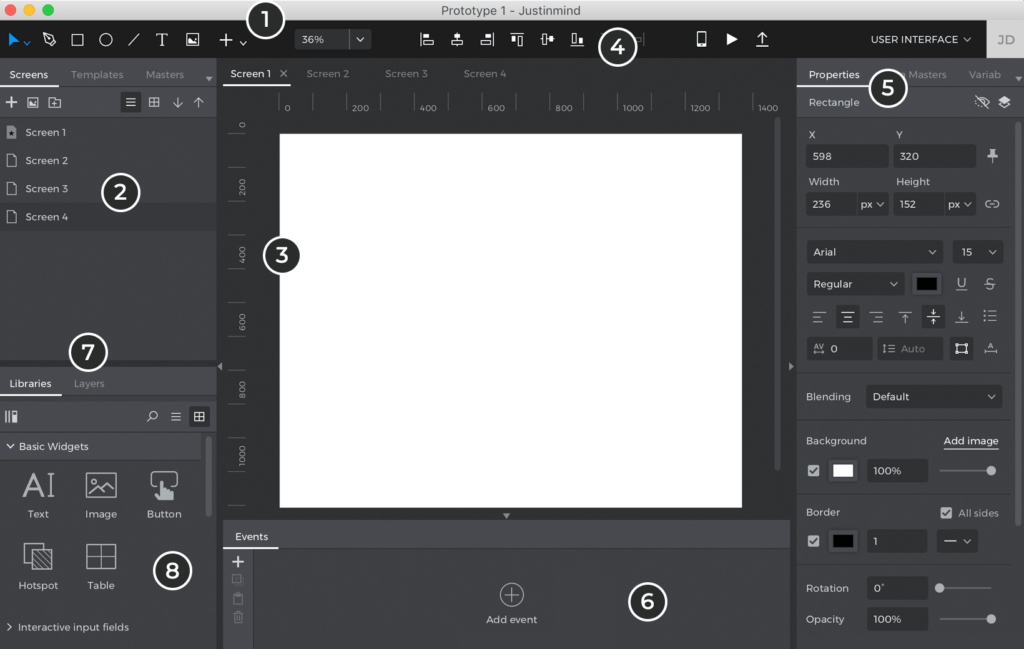
Justinmind combines wireframing, UI design, and interaction design in one product. It also keeps enough structure to support larger app flows without forcing a highly technical workflow.
Justinmind is especially useful for teams that want more than simple click-through demos but do not want to jump straight into a specialist tool. Its pricing and feature spread also make it approachable for smaller teams that still need room to grow, which makes it a practical all-rounder for teams that want one tool for wireframes, UI work, and richer prototypes with more structure than basic wireframing tools.
- Key features: Unlimited screens, variables, mobile testing, shared UI libraries, HTML export
- Prototyping: Supports richer interactive flows than basic wireframing tools, including variables, mobile testing, and app-flow simulation.
- Integrations: Has plugins and integration support around requirements and broader product workflows, though its ecosystem is less central than Figma or Zeplin.
- Pros: Broad feature set, solid value, good for app flow simulation
- Cons: Interface feels less modern than newer tools
- Pricing: Free plan available. Standard starts at $19/editor/month. Professional is $29/editor/month. Enterprise starts at $59/editor/month.
8. Balsamiq
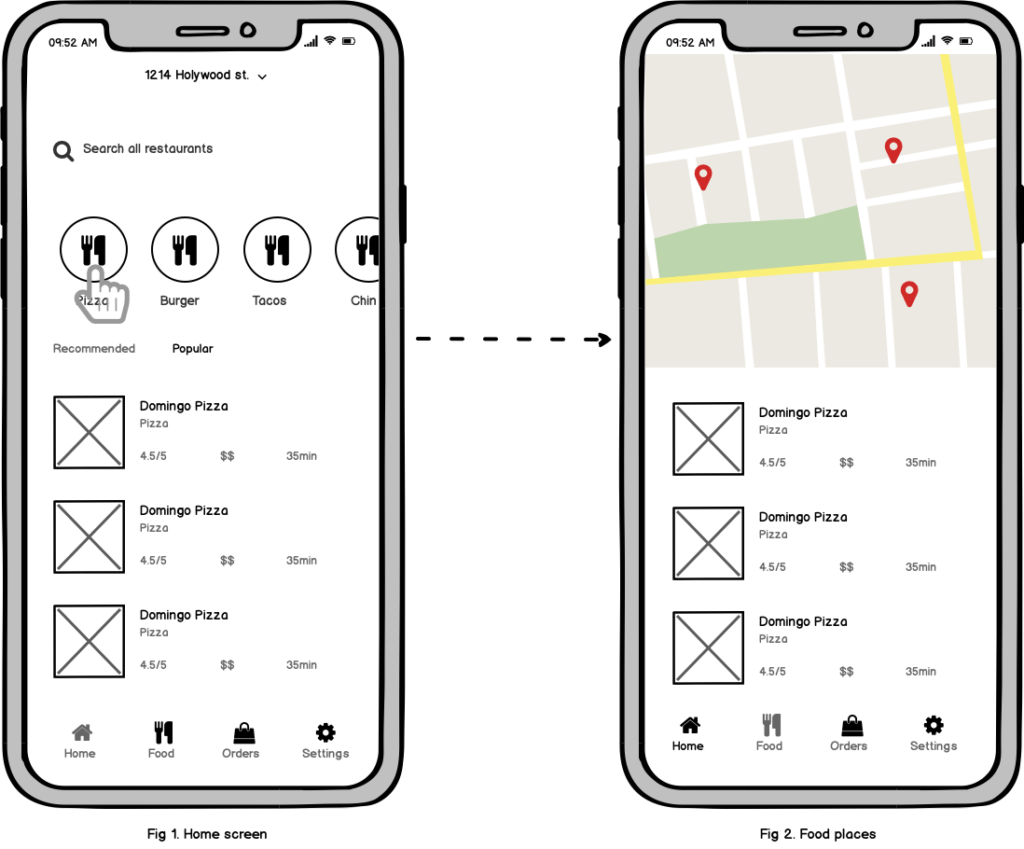
Balsamiq remains one of the best wireframing tools because it does not pretend to be a full design suite. It helps teams sketch structure fast and stay focused on layout, logic, and feature scope.
Balsamiq works because it keeps early product conversations rough on purpose. Teams often make worse decisions when they polish screens too early. Balsamiq helps keep discussions focused on structure and scope instead, which is why it remains one of the best early-stage tools for low-fidelity wireframes and product planning.
- Key features: Drag-and-drop wireframes, simple collaboration, project sharing
- Prototyping: Handles simple clickable prototypes and low-fidelity interaction flows, but it is not meant for realistic high-fidelity simulation.
- Integrations: Supports integrations with tools such as Slack and Trello, and now also offers MCP-oriented workflows for AI-assisted wireframing and HTML prototyping.
- Pros: Fast, clear, beginner-friendly, excellent for scope alignment
- Cons: Not meant for polished UI, advanced prototypes, or final handoff
- Pricing: Free trial available. Balsamiq Cloud Business starts at $12/month for 2 projects, or $144/year. Enterprise starts at $18/month for 2 projects, billed annually.
9. MockFlow
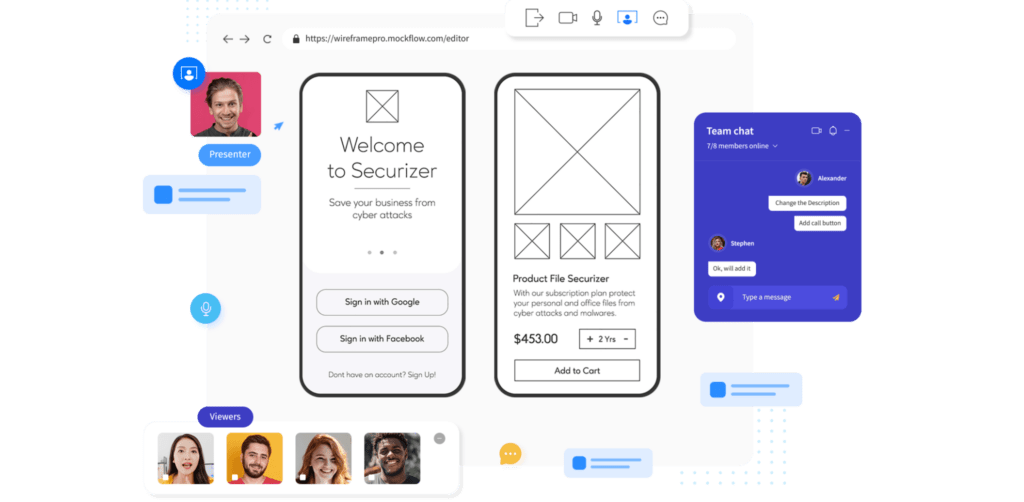
MockFlow is useful when a team wants ideation, planning, and wireframing in one workspace. It works well for early concept work and lightweight collaboration.
MockFlow is stronger in breadth than depth. It can help teams organize thinking before they commit to full product design, but it is less convincing as a high-fidelity design or prototyping tool, so it works best for teams that want planning, whiteboarding, and wireframing together early in the process before moving into a stronger production-grade design tool.
- Key features: Wireframing, idea boards, templates, collaborative planning
- Prototyping: Stronger for wireframing than for realistic prototyping, though WireframePro can support lightweight flows and code-oriented output.
- Integrations: Connects with Figma, Slack, Microsoft Teams, Trello, Atlassian, Google Workspace, and MCP-based design-to-code workflows.
- Pros: Good for early ideation, broad collaboration use
- Cons: Less polished for advanced UI design or deep prototyping
- Pricing: Free tier available. Paid plans start at $7/month billed yearly for IdeaBoard, while the WireframePro plus IdeaBoard bundle starts at $17/month billed yearly.
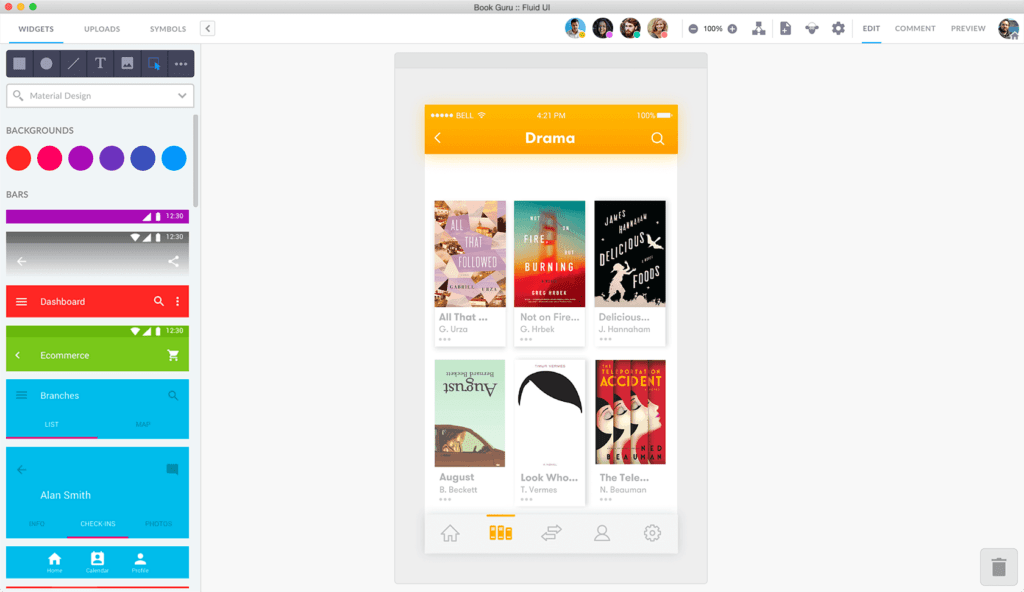
10. Fluid UI
Fluid UI is built for fast, lightweight prototype flows. It does not try to compete with Figma on design systems or with ProtoPie on complex interaction logic.
Fluid UI is easy to understand because its scope stays narrow. Small teams can use it to mock flows quickly, collect feedback, and move on without much setup, which makes it useful for teams that need quick mobile flows, simple prototypes, and fast concept sharing.
- Key features: Online prototyping, comments, mobile preview, offline presentation support on paid plans
- Prototyping: Supports taps, swipes, clicks, transitions, animations, reviewer mode, and mobile preview apps for quick interaction testing.
- Integrations: Native integration depth is lighter than larger platforms, with more emphasis on built-in collaboration, browser use, and mobile preview than third-party workflow extensions.
- Pros: Simple, fast, low friction
- Cons: Limited for advanced product design workflows
- Pricing: Free plan available. Solo is $8.25/month or $99/year. Pro is $19.08/month or $229/year. Team is $41.58/month or $499/year.
11. Zeplin
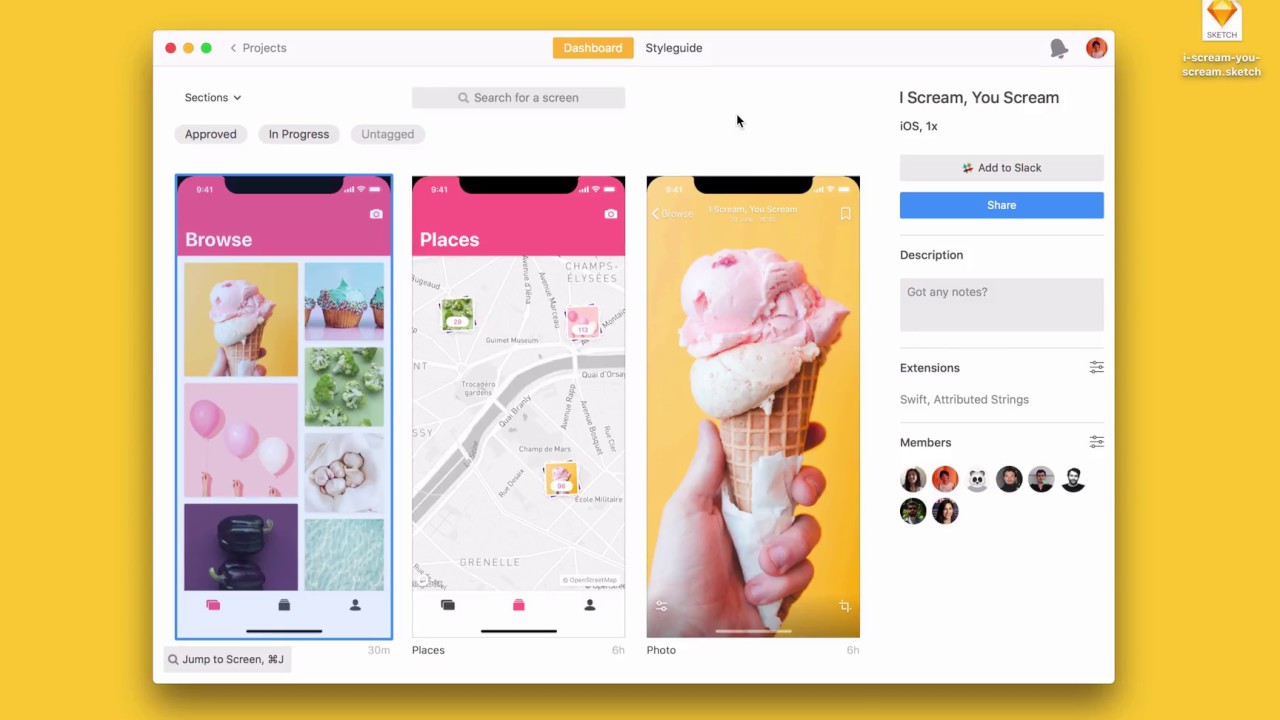
Zeplin is not a full design tool, but it still matters. Many teams use it to create a cleaner boundary between design and development, especially when they do not want developers editing inside the main design file.
Zeplin stays valuable because it focuses on specs, annotations, versioning, flows, and developer-friendly organization. Teams with a strict handoff process often prefer that extra clarity instead of relying on one shared design workspace for everything, which is why Zeplin is still one of the best handoff tools for teams that want developer handoff, specs, and structured delivery to have their own dedicated layer.
- Key features: Specs, annotations, flows, version compare, integrations, styleguides, components
- Prototyping: Not a full prototyping environment, but supports screen flows and structured delivery around finalized designs.
- Integrations: Strong official integrations with Figma, Sketch, Storybook, Jira, VS Code, Slack, Teams, Trello, Azure DevOps, and design token workflows.
- Pros: Strong developer focus, clean handoff workflow, good project organization
- Cons: Adds another tool to the stack, not a design environment
- Pricing: Free plan available. Basic project-based pricing starts at $13.75/month billed annually for 1 project. Advanced starts at $12/seat/month billed annually. Enterprise is custom.
12. UXPin
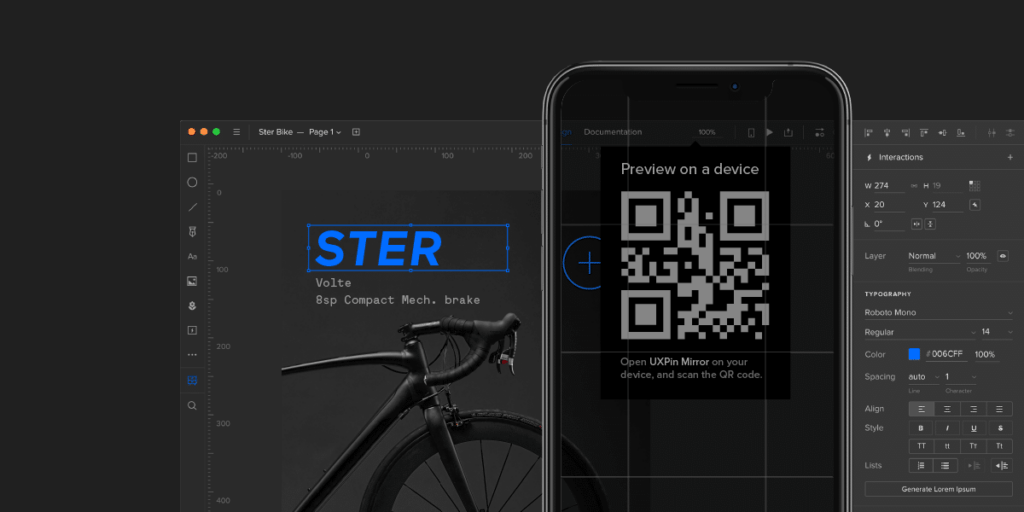
UXPin stands out because it pushes deeper into logic-driven prototyping and system-based product work. It is strong when a team wants components, states, and behavior to feel closer to real product logic.
UXPin is especially useful for mature design systems and enterprise product work. That same depth makes it less approachable for lightweight teams that just need quick screens and simple demos, but it makes UXPin excellent for teams that need complex product flows, design systems, and logic-heavy prototypes.
- Key features: Advanced prototyping, states, variables, collaboration, system-oriented workflows
- Prototyping: Excellent for logic-heavy prototypes, component states, variables, and system-driven interaction behavior.
- Integrations: Connects with Figma, Sketch, Storybook, Git repositories, Jira, Slack, Adobe Fonts, Google Fonts, and Fullstory.
- Pros: Powerful for structured product work, strong for component thinking
- Cons: More overhead than simpler tools, learning curve is real
- Pricing: 14-day free trial available. Core starts at $49/month. Growth starts at $40/month when billed annually. Enterprise pricing is custom.
13. Marvel
Marvel still offers a simple path to prototypes, feedback, and lightweight user testing. It is easy to pick up and easy to share.
Marvel works best when simplicity matters more than depth. Many teams outgrow it once workflows become more complex, which makes it a good entry tool for individuals and small teams that want simple prototyping, feedback, and lightweight test loops, but not always a long-term home.
- Key features: Prototypes, comments, user testing, downloads, team collaboration
- Prototyping: Supports interactive mockups, hotspots, gestures, transitions, and built-in lightweight user testing.
- Integrations: Connects with Sketch, Jira, Dropbox Paper, Teams, Slack bots, and other workflow add-ons through its integration marketplace.
- Pros: Easy to use, low friction, useful for quick validation
- Cons: Shallower than stronger product design platforms
- Pricing: Free plan available. Pro starts at $12/month billed yearly. Team starts at $42/month billed yearly for 3 users. Enterprise pricing is custom.
14. Mockplus
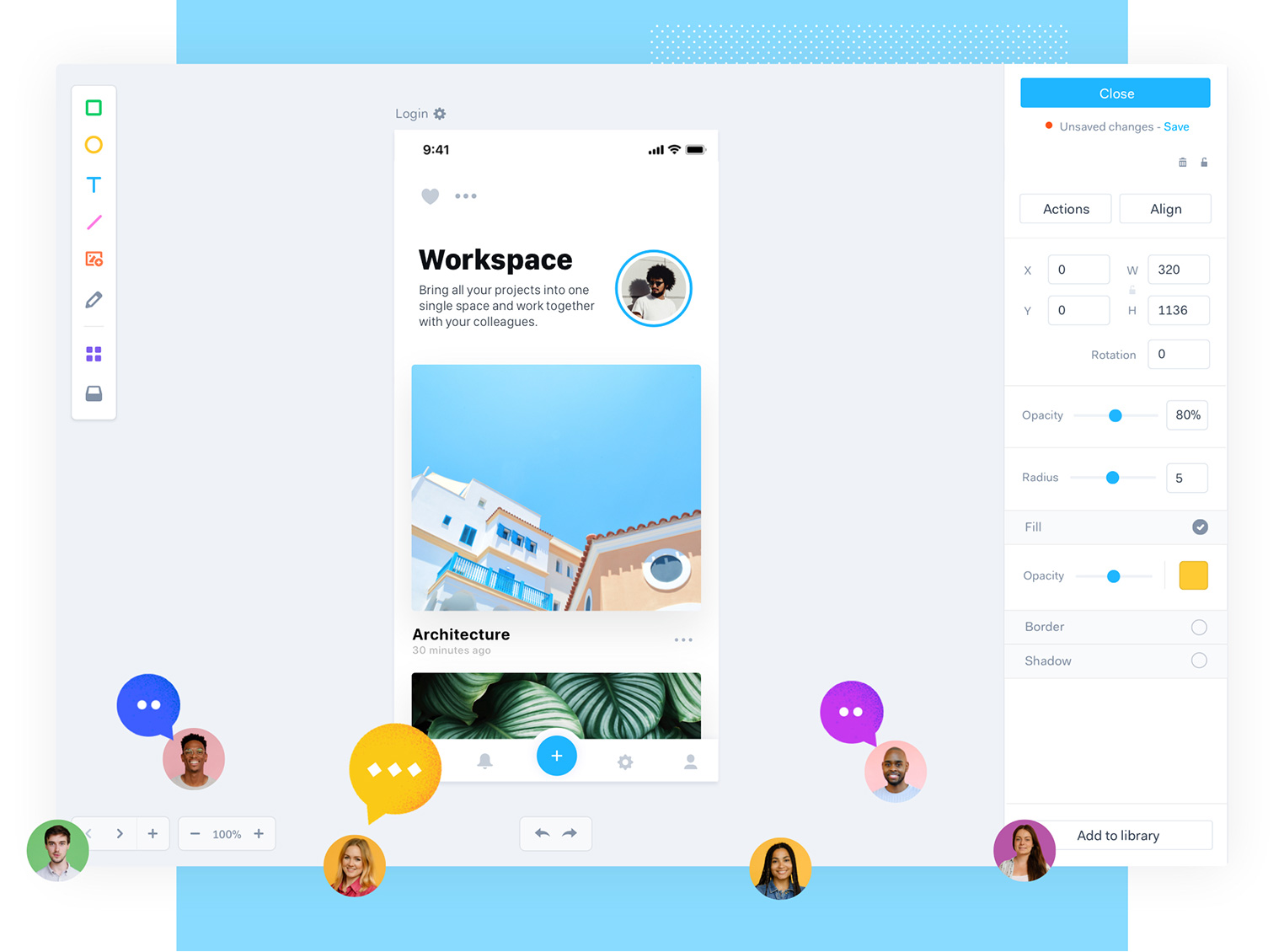
Mockplus gives teams a faster path into prototyping and collaboration without demanding a heavy setup. It is practical, especially for teams that want to work visually and move quickly.
Mockplus is not as dominant as the biggest names in product design, but it covers the basics well. That makes it worth considering for smaller teams, internal product groups, or cost-sensitive workflows that want fast prototyping and team collaboration with a low learning curve.
- Key features: Shared libraries, vector editing, revision history, offline prototypes, PDF export
- Prototyping: Supports interactive prototypes, co-editing, sharing, comments, and offline prototype workflows.
- Integrations: Offers a broader all-in-one workflow than many smaller tools, but its integration ecosystem is still lighter than Figma, Zeplin, or UXPin.
- Pros: Accessible, useful free plan, simple collaboration workflow
- Cons: Less mature ecosystem than bigger platforms
- Pricing: Free plan available. Annual starts at $49.50/year. Perpetual starts at $249.50 as a one-time payment.
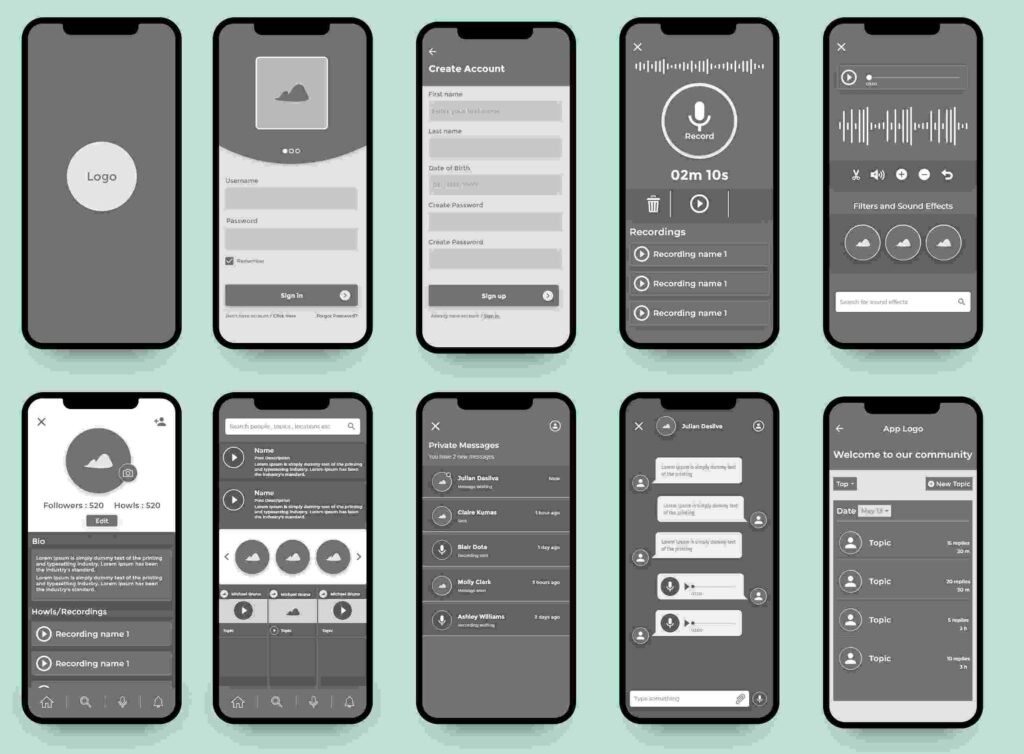
15. Affinity Designer 2
Affinity Designer 2 is not a full product design platform, but it is excellent for vector work. It works well for icons, marketing assets, polished UI graphics, and interface illustrations.
Affinity Designer 2 excels at craft, not at full product workflow support. Teams should be careful not to confuse great vector editing with a strong collaborative design system workflow. Affinity works best as a companion tool, not a full team workspace, even though it is a great option for UI graphics, icons, visual assets, and precision vector work.
- Key features: Vector and pixel workflows, cross-platform support, one-time license
- Prototyping: No native interactive prototyping workflow, so teams usually pair it with a separate UI or prototype tool.
- Integrations: Integration support is relatively limited and centers more on file export and adjacent Serif tooling than on product-team workflow automation.
- Pros: Strong value, no subscription required, very capable drawing tools
- Cons: Weak collaboration layer, not built around design systems and app handoff
- Pricing: 7-day free trial available. The Affinity Universal Licence costs $164.99 as a one-time payment. Single-app licenses are also available.
Explore more:
- Best Mobile App Development Frameworks
- Most Popular Mobile App Development Tools
- Best No-Code Mobile App Builders for Beginners
16. Adobe Illustrator
Adobe Illustrator remains the industry-standard vector graphics tool. It is extremely capable for icons, illustration systems, branding assets, and custom visual elements that feed into a mobile app.
Adobe Illustrator is strongest when the workflow depends on complex asset creation. It is not the best center of gravity for app product design, so teams should use it for asset work rather than end-to-end UI workflow management, even though it remains essential for teams that need complex vector graphics and illustration assets inside app design workflows.
- Key features: Desktop, iPad, and web access; robust vector editing; Adobe ecosystem integration
- Prototyping: Does not offer a true native app prototyping workflow, so it works better for asset creation than interactive product testing.
- Integrations: Integrates deeply with the wider Adobe ecosystem, which is useful for asset-heavy design teams.
- Pros: Deep vector toolset, strong industry support, excellent asset creation
- Cons: Subscription cost, not ideal as the main product design tool
- Pricing: Illustrator starts at $22.99/month on the annual billed monthly individual plan. Team plans start at $37.99 per license/month.
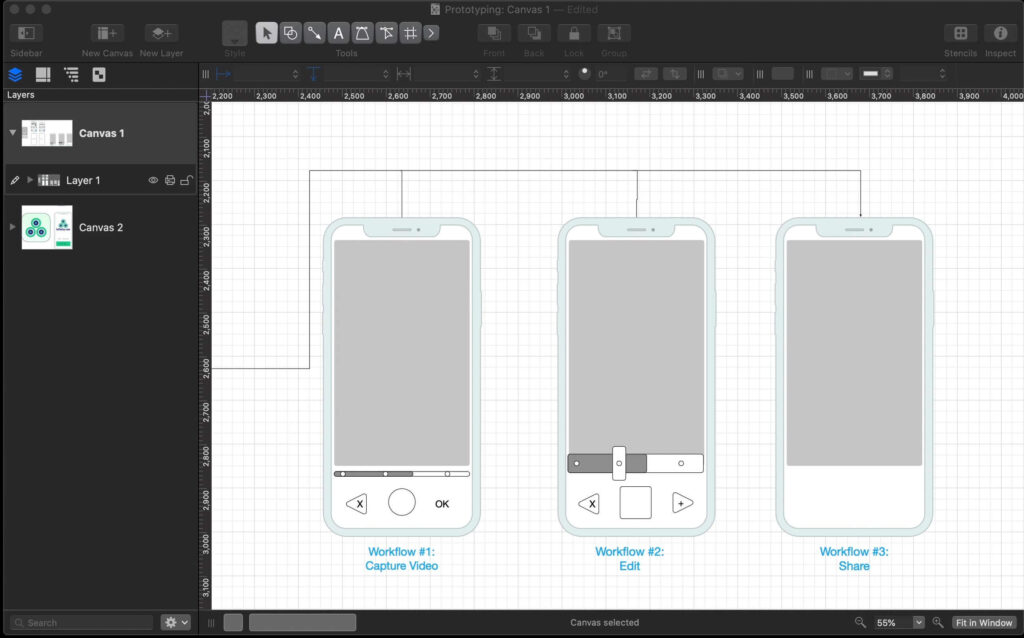
17. OmniGraffle
OmniGraffle is better for diagrams, flows, and structured planning than for modern screen-level product design. It still earns a place when teams need to map systems, information architecture, or complex process diagrams.
OmniGraffle is useful around a mobile project, but rarely at the center of it. Its value comes from structured visual thinking, not from modern UI design workflows, which is why it works best as a support tool for flows, diagrams, information architecture, and structured planning.
- Key features: Diagramming, precision layout, Mac and iOS versions, perpetual licenses
- Prototyping: Can support basic mockups, action links, and presentation-style flows, but it is not built for modern high-fidelity app prototyping.
- Integrations: Supports file import/export, scripting, plug-ins, and stencil libraries, with more emphasis on document workflows than product-tool integrations.
- Pros: Strong diagramming control, reliable for structured visual thinking
- Cons: Not a modern product UI design platform
- Pricing: Mac Standard costs $149.99 one time, Mac Pro costs $249.99 one time, and the OmniGraffle subscription costs $129.99/year.
18. MindNode
MindNode is not a UI design tool in the strict sense. It is a planning tool. That matters because early-stage mobile products often need clearer thinking before they need prettier screens.
MindNode helps teams break down features, user journeys, and content structures before wireframes begin. Used that way, it can improve the design process even though it does not produce app screens, which is why it is most useful for early ideation, feature mapping, and product thinking before design starts.
- Key features: Mind maps, Apple platform support, free core version, subscription upgrade
- Prototyping: No native screen prototyping; it is built for planning, mapping, and early concept structure.
- Integrations: Integration depth is light and centered more on Apple ecosystem workflows than on design-to-dev product stacks.
- Pros: Simple, focused, useful before wireframing
- Cons: Not a screen design tool, no true UI handoff workflow
- Pricing: Free core version available. MindNode Plus costs $2.99/month or $24.99/year.
19. UI Stencils
UI Stencils is the most physical tool on this list. It sells sketching kits and templates for designers who still like to think on paper.
UI Stencils still has value because paper works well in workshops, early ideation, and fast team sessions. The point is speed, not polish, and that tradeoff still makes sense in some teams, especially for paper sketching, brainstorming, and low-fidelity workshop sessions in the earliest ideation stage.
- Key features: Physical stencil kits for common device layouts and interface elements
- Prototyping: No digital prototyping capability; this is an ideation tool for paper-based flows and sketching.
- Integrations: No software integrations; it is a physical workshop and sketching aid.
- Pros: Fast ideation, tactile, workshop-friendly
- Cons: Not digital, no collaboration layer, no production workflow
- Pricing: Physical product pricing varies by kit. The iPhone Stencil Kit is listed at $29 as a one-time purchase.
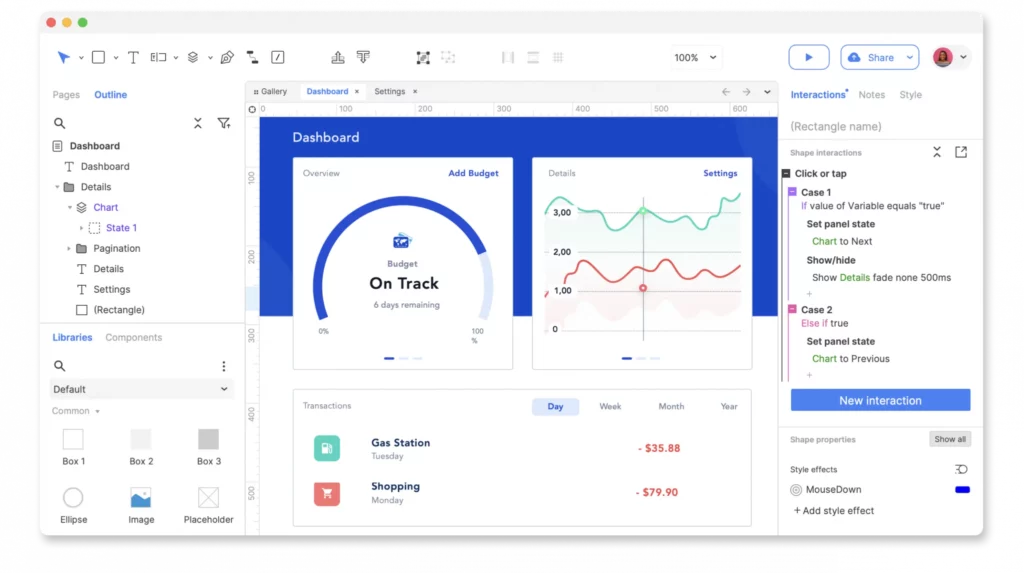
20. Axure
Axure remains one of the strongest tools for complex enterprise prototyping. It handles logic, conditions, documentation, and structured flows better than most mainstream design tools.
Axure earns its place when product logic and documentation matter more than simplicity. It is not the easiest tool to learn, and it does not feel as lightweight as Figma or Marvel, but it still solves enterprise UX problems that simpler tools do not handle well, which is why it remains one of the best tools for enterprise prototypes, logic-heavy flows, documentation, and collaborative specification.
- Key features: Advanced prototyping, wireframes, diagrams, co-authoring, Axure Cloud
- Prototyping: Excellent for conditional logic, dynamic panels, structured flows, and complex enterprise-grade interactive prototypes.
- Integrations: Integrates with Jira, Confluence, Slack, Teams, and third-party testing services through Axure Cloud workflows.
- Pros: Deep logic, strong documentation, excellent for complex products
- Cons: Steeper learning curve, heavier workflow
- Pricing: Axure RP Pro starts at $29/user/month. Team starts at $49/user/month. Enterprise pricing is custom.
Take a look at:
- Best Practices for Successful Mobile App Development
- Trends Shaping the Future of Mobile App Development
How to Choose the Right Mobile App Design Tool
The right mobile app design tool depends on fit, not hype. A tool can be popular, well-reviewed, and still be wrong for your workflow.
Choose Based on Workflow
Start by defining the main job the tool needs to handle.
- If your team needs one workspace for UI design, reusable components, simple prototyping, and developer handoff, look for a tool that supports all of those jobs without forcing too many add-ons.
- If your product depends on rich motion, gestures, states, or dynamic interactions, put more weight on prototyping depth than on general design features.
- If you are still in the planning stage, prioritize speed and clarity over polish. At that point, rough wireframes are often more useful than high-fidelity screens.
- If developer handoff is a major pain point, focus on inspection quality, annotations, version control, and how clearly engineers can extract specs and assets.
- If your workflow includes a lot of icons, illustrations, or custom visual assets, check whether the tool is strong enough for vector work or whether you will need a separate asset creation layer.
Choose Based on Team Type
- A solo designer usually benefits from a tool that is easy to learn, flexible, and strong enough to grow with the project.
- A startup team usually needs a balance between speed, collaboration, and low overhead. Tools that require too much setup can slow execution early on.
- An agency often needs better sharing, approval, and handoff workflows because client communication adds more review cycles and more stakeholders.
- An in-house product team usually gets more value from reusable components, design system support, and clear collaboration with developers.
- An enterprise team often needs stronger governance, access control, documentation, and more structured workflows across larger groups.
Choose Based on Budget
Budget should be measured against workflow cost, not sticker price alone.
- Low-cost or free tools can work well in the early stages, especially when the team is small and the workflow is simple.
- One-time purchase tools can look attractive if you want to reduce recurring software costs, but they may still need to sit beside a collaborative product design tool.
- For larger teams, a cheaper tool can become expensive if it creates friction in handoff, slows collaboration, or forces workarounds that waste time every week.
Common Mistakes When Choosing a Mobile App Design Tool
- Choosing based on popularity alone: The most popular tool is not always the best one for your team.
- Ignoring handoff needs: A great-looking design still fails if developers cannot inspect, reuse, and implement it cleanly.
- Paying for features too early: Many teams buy advanced prototyping or enterprise features before they have the process maturity to use them.
- Using too many disconnected tools: Every extra handoff step increases confusion, duplication, and version drift.
- Relying on outdated or deprioritized software: Workflow risk grows fast when a product is no longer central to its vendor’s roadmap.
FAQs
Do I need separate tools for design, prototyping, and handoff?
Not always. Many teams can handle all three in Figma, especially in the early stages. You only need extra tools when your workflow gets more specialized, such as using ProtoPie for advanced interactions or Zeplin for a stricter handoff process.
What is the difference between a wireframing tool and a UI design tool?
A wireframing tool helps you plan structure, layout, and user flow before visual polish matters. A UI design tool helps you build polished screens, reusable components, and production-ready design systems. Balsamiq fits the first job, while Figma or Sketch fit the second.
When should a team use a dedicated prototyping tool?
Use a dedicated prototyping tool when basic click-through screens are not enough. If your app depends on gestures, motion, dynamic states, sensors, or realistic transitions, tools like ProtoPie or Axure will give you much better testing value.
Are browser-based design tools better than desktop apps?
Usually, browser-based tools are better for collaboration because they are easier to share across teams and devices. Desktop apps can still feel faster or more focused, which is why tools like Sketch still appeal to designers who prefer a native Mac experience.
Is Adobe XD still worth using in 2026?
In most cases, no. Adobe now positions XD in maintenance mode, so it is hard to recommend as a long-term foundation for a mobile product workflow.
Can free mobile app design tools work for client or agency projects?
They can, but only up to a point. Free plans are often enough for early drafts, internal concepts, or small client work. Once you need team permissions, better version control, or more formal handoff, paid plans usually become necessary.
What matters more than the tool itself when designing a mobile app?
Workflow discipline matters more than the tool alone. A team with clear components, naming, states, and handoff habits will usually outperform a team using a more expensive tool without process discipline.
Conclusion
The best mobile app design tools are not always the most popular ones. The right choice depends on how your team works, how much prototyping depth you need, and how closely design and development need to stay aligned. For most teams, one strong core design tool plus a small number of supporting tools will work better than a large, fragmented stack.
If you are still choosing between options, focus on workflow fit first. A tool should help your team move faster, reduce handoff friction, and support the way your product is actually built. That matters more than chasing the longest feature list.
If you need help turning designs into a real product, Designveloper can support the full process from product strategy and UI/UX design to prototyping, development, and launch. Contact Designveloper to discuss your mobile app idea and build a workflow that fits both your product goals and your delivery team.
Also published on

Share post on









Related Articles


iOS and Android App Development: A Practical Decision Guide
iOS and Android App Development: A Practical Decision Guide Published August 19, 2026
How To Build An Android App: From MVP To Google Play
How To Build An Android App: From MVP To Google Play Published August 19, 2026
Financial App Development: Features, Security, And Cost
Financial App Development: Features, Security, And Cost Published August 13, 2026