
















How Vertical SaaS Is Redefining B2B Sales in Niche Industries

Having worked in B2B sales across both horizontal and vertical SaaS spaces, I’ve seen firsthand how dramatically go-to-market strategies shift when the product is purpose-built for a specific industry. Selling broad, “one-size-fits-all” tools has its challenges, but selling into niche verticals – like the arborist business or dental clinics – demands an entirely different mindset. Interestingly, it also opens the door to more predictable pipelines, higher LTVs, and stronger product-market fit.
Let’s explore how vertical SaaS is transforming how sales teams approach niche markets – and why that shift matters.
Horizontal vs. Vertical SaaS: A Sales Perspective
In traditional horizontal SaaS, your ideal customer could be anyone – from a marketing agency to a law firm to a startup. That makes segmentation, messaging, and positioning difficult to nail. You’re often selling the same tool with slight variations in use case.
Vertical SaaS, on the other hand, is built for a clearly defined customer type within a single industry. Think of software platforms for construction bidding, vet practice management, or CRM systems designed specifically for the arborist business.
From a sales point of view, vertical SaaS offers three immediate advantages:
- Focused messaging: You know the customer’s language, pain points, and workflows.
- Shorter sales cycles: You speak directly to the prospect’s world, reducing the time needed to build trust.
- Higher close rates: Because the product fits the niche perfectly, fewer objections arise.
Understanding the Needs of Niche Buyers

One of the biggest lessons I’ve learned selling into specialized industries is this: the buyer doesn’t care about how “powerful” your product is. They care about whether it understands how they work.
Let’s take the arborist business as an example. A generic CRM might offer contact tracking, appointment scheduling, and basic invoicing. But arborists need tools for:
- Scheduling field crews across multiple job sites
- Automating estimates for complex, variable-price jobs
- Managing seasonal demand fluctuations
- Tracking tree health, mapping locations, and logging service history
If you’re a sales rep pitching a horizontal SaaS, you’re stuck explaining how to adapt your software to meet these needs. But if you’re selling a vertical SaaS like ArboStar – designed specifically for arborist businesses – your product already speaks their language. That’s a major trust signal and a powerful differentiator.
How Vertical SaaS Shifts the Sales Process
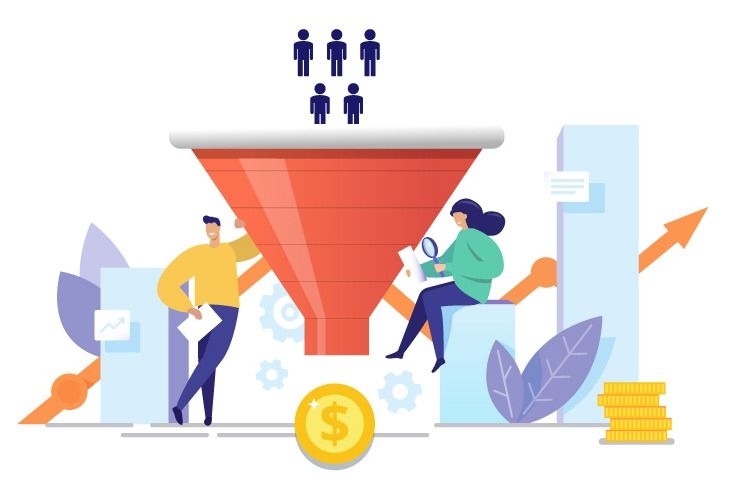
1. Segmentation Becomes Sharper
In vertical SaaS, your TAM (Total Addressable Market) is smaller, but your ICP (Ideal Customer Profile) is far clearer. You’re not targeting “small businesses.” You’re targeting residential tree care companies with 5–25 employees operating in suburban markets.
That clarity allows for precision in list-building, outreach, and demo qualification. Your SDRs waste less time on poor-fit leads.
2. Sales Enablement Is Industry-Specific
Case studies, pitch decks, and objection handling aren’t generic – they’re tailored. You’re not showing testimonials from tech startups; you’re showing how another arborist business increased efficiency by 30% using your software.
Sales collateral speaks to the exact regulatory challenges, terminology, and workflows of the industry.
3. Cold Outreach Feels Personal, Not Spammy
When your prospect reads your email and sees language specific to their daily operations – like “ISA-certified crews” or “seasonal equipment utilization” – they know this isn’t a templated message. It increases reply rates and improves your cold outreach ROI.
Where Automation Fits into Vertical Sales
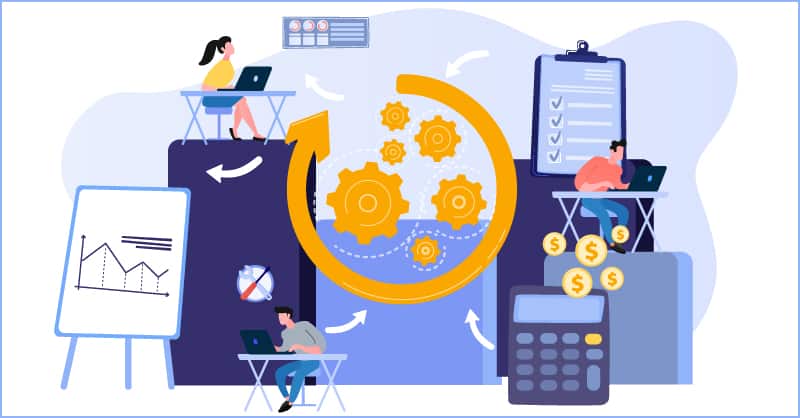
Tools like SalesBlink become especially powerful in vertical SaaS because personalization is easier to scale when targeting a specific niche.
Let’s say you’re running an outbound campaign to arborist companies:
- Your templates reference tree types, crew management, and local regulations.
- You enrich data with company size, service area, and licensing info.
- You automate follow-ups based on pain-point specific triggers (e.g., late-season slowdowns).
Because every prospect shares industry traits, your campaigns feel customized without being built from scratch each time.
The Hidden Bonus: Customer Success Becomes a Sales Engine
In vertical SaaS, word-of-mouth carries more weight than any ad spend. Industries like arborist services, construction, or veterinary care often have tight-knit communities. If your software delivers results, your users will talk.
That means your sales funnel naturally gains warm leads from referrals, Facebook groups, trade shows, and even local networking events. I’ve seen cases where one happy client in a small town triggered five more closed deals within the same month – without any additional outbound.
When you sell horizontally, this kind of network effect is much harder to achieve.
The Long-Term Win: Lower Churn, Higher LTV
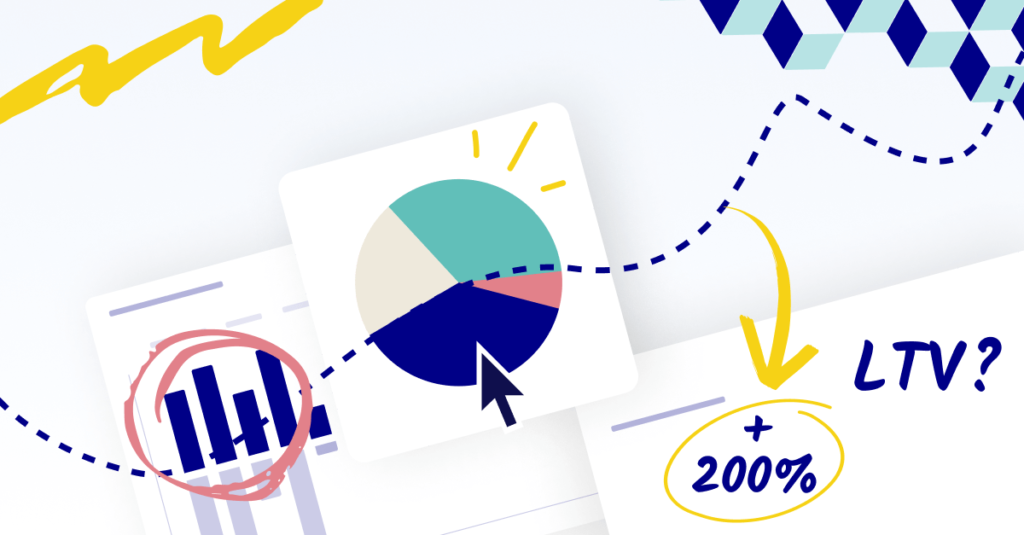
Because vertical SaaS platforms are baked into the workflows of niche businesses, switching costs are high. That’s not to say you trap your clients – quite the opposite. When the software truly fits their needs, they stick with it for years.
Sales teams benefit in two ways:
- Lower churn means fewer customers dropping off at renewal.
- Higher LTV justifies higher CAC, allowing more aggressive acquisition strategies.
For sales reps, this often translates to better comp structures, stronger relationships, and fewer customer complaints passed back down the pipeline.
Final Thoughts
Selling SaaS into niche industries is no longer a fringe strategy – it’s the new frontier. As vertical SaaS platforms continue to emerge, sales teams that embrace industry expertise, buyer empathy, and highly targeted outreach will outperform those clinging to generalized approaches.
Whether you’re targeting real estate agents, dental clinics, or the arborist business, one thing is clear: specificity sells.
Also published on

Share post on










Related Articles


Read more topics

AI Development
AI Development
AI/Machine Learning
AI/Machine Learning

Automation Technologies & Solutions
Automation Technologies & Solutions

Back-End Development
Back-End Development

Best Companies
Best Companies

Blockchain Technology and Applications
Blockchain Technology and Applications

Business Analyst Role & Skills
Business Analyst Role & Skills

Chatbot Development
Chatbot Development

Cloud Technology Revolution
Cloud Technology Revolution

CMS Platforms Development
CMS Platforms Development