














Helvetica Neue Font: Licensing, Styles, and Mobile UI Decisions

KEY TAKEAWAYS:
- Helvetica Neue is a licensed typeface family; access and permitted use depend on the provider and license.
- Check the exact styles and language coverage in the package you plan to use. Family names alone do not confirm what a font file contains.
- Test size, weight, contrast, fallback, and localized text on the devices your app supports. A typeface cannot guarantee readability by itself.
- Roboto and Open Sans are open-licensed alternatives, while system fonts can provide a platform-native look. Verify each option’s terms and fit.
A familiar sans-serif can look effortless in a mockup yet behave differently across screens, languages, and devices. A mobile type choice has to fit the product’s visual tone, but the font file also needs a valid license and a reliable fallback. Helvetica Neue is one option, not a universal answer. The sections below explain what the family is, where to access it, and how to test it in an actual interface before release.
What Is Helvetica Neue?
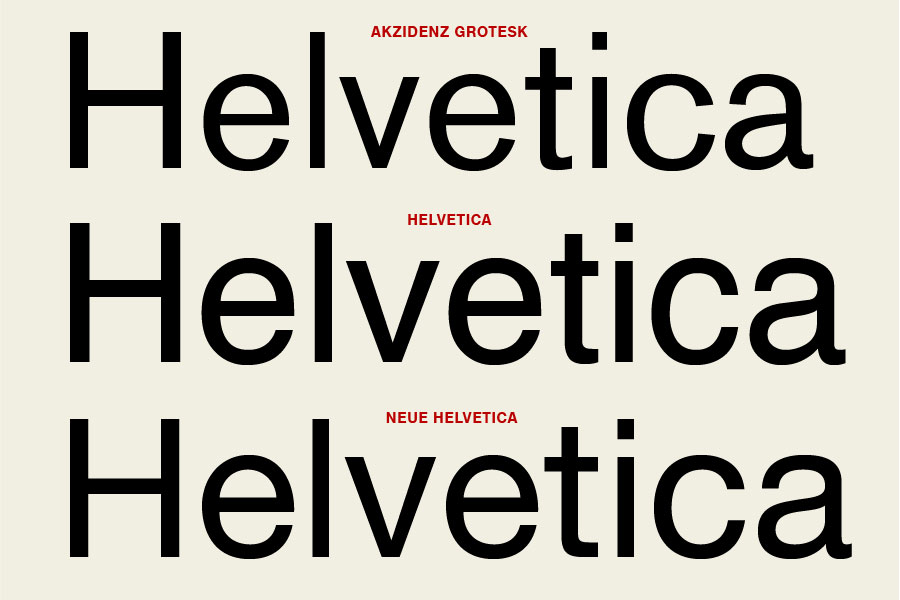
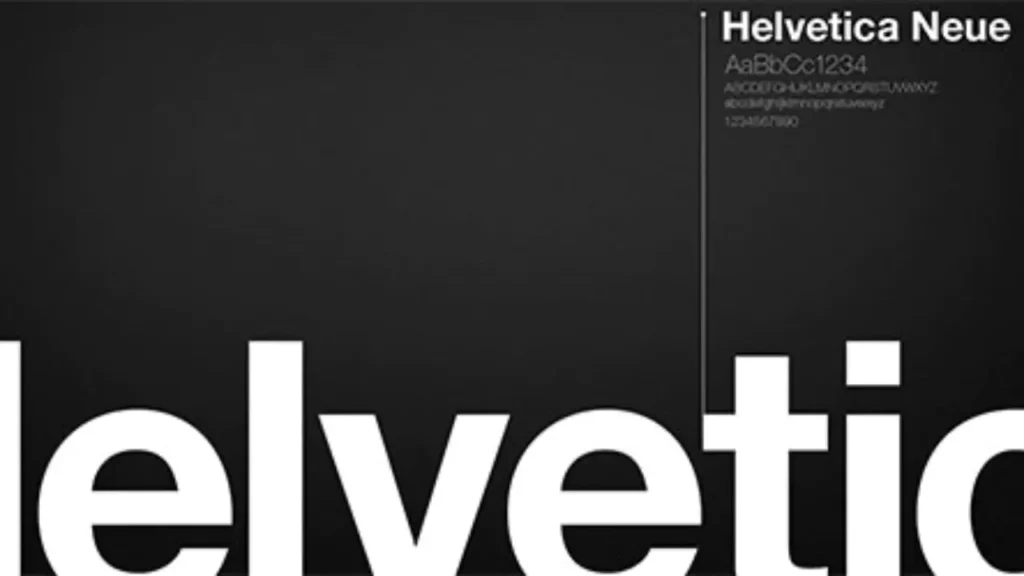
Helvetica Neue is a sans-serif typeface family that revises the original Helvetica design. It includes multiple styles and weights, although the exact cuts available depend on the foundry and licensed package. Adobe Fonts currently lists a Helvetica Neue family credited to Linotype Design Studio and Max Miedinger; check the current publisher specimen for the version you plan to use.
A typeface is the visual design shared by a family of letters. A font file is a digital instance of that design, such as a regular, bold, italic, or condensed style. This distinction matters when searching for Helvetica Neue: a family page may describe many styles, while a particular license or file may include only some of them.
Helvetica Neue is proportional, which means characters do not all take the same width. A narrow letter such as “i” uses less horizontal space than “W.” Do not assume the family uses fixed-width characters or that every release has identical metrics.
Where Can You Access Helvetica Neue Legally?
There is no general free download that grants permission for every use. Helvetica Neue is a licensed typeface. The right to use it in desktop design software may differ from the right to serve it on a website, embed it in an iOS or Android app, or redistribute the font file to other people.
Adobe Fonts’ Helvetica Neue family page is one verified place to preview the family and review access through Adobe Fonts. Availability depends on the provider’s current plan and terms. If you buy the typeface from a foundry or another seller, read the license attached to that exact package instead of relying on a catalog label.
Before adding a font to a product, confirm the permitted use for each delivery method. A designer’s ability to activate a font in a desktop app does not automatically mean the font files can be sent to an app store, bundled with a mobile app, or hosted on a public website.
| Access route | Useful for | Check before use |
|---|---|---|
| Adobe Fonts | Previewing and activating the family through an eligible Adobe plan | Current plan terms and whether the intended web or app use is covered |
| Foundry or authorized reseller | Buying a package for a named project or delivery channel | Desktop, webfont, app-embedding, user/device, and redistribution terms |
| Open-font alternative | Projects that need a font with an open license | The exact license, attribution rules, and permitted changes for that font |
A direct file link from a font catalog, forum, or cloud drive is not proof that the person sharing it may distribute it. Do not use or share an unofficial file unless you can verify the publisher’s permission and the applicable license. If the license is unclear, choose an authorized source or a font with terms that fit the project.
Why Does Typography Matter in Mobile Apps?
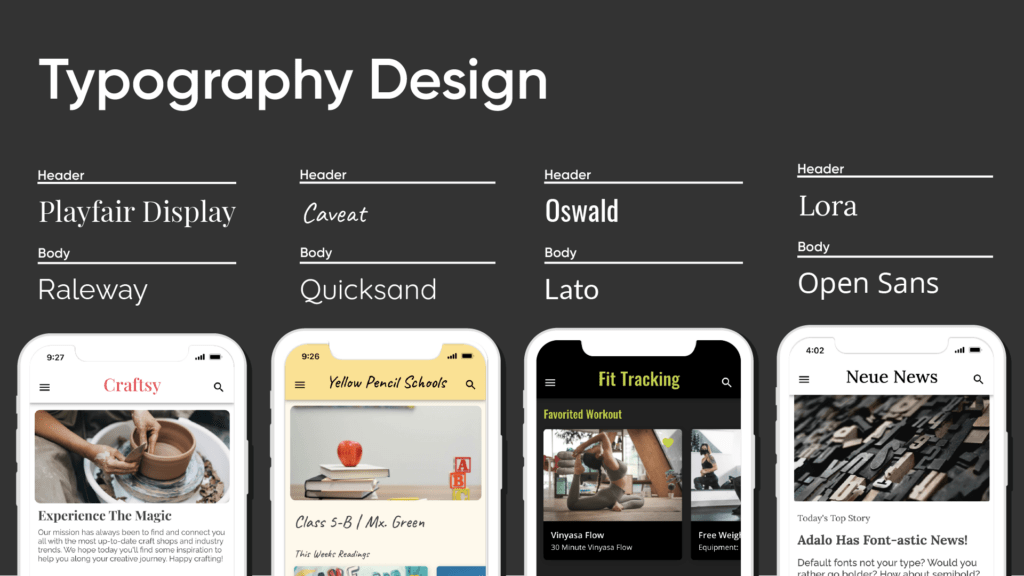
Typography affects how people scan labels, understand content, and notice the next action. On a small screen, hierarchy needs to work without making every heading bold or shrinking body text to fit. Font choice is one part of that system; size, line height, spacing, contrast, and layout also shape the result.
Start by listing the text roles in the interface: screen title, section heading, body, button label, helper text, and status message. Give each role a clear visual level. A consistent scale helps a person recognize structure while keeping screens from feeling crowded.
Typography is also part of the broader Top 7 Essential UI Design Principles for Newbies. A typeface that looks balanced in English can create new problems after localization. Longer words, accented letters, different scripts, and larger accessibility settings can all change the space a screen needs.
Use a real content sample when comparing fonts. Include a long heading, a short button, a price, a date, and a sentence with the punctuation or language marks your product needs. A Latin-only specimen will not confirm coverage for every script or language.
How To Test Helvetica Neue in a Mobile UI
Evaluate Helvetica Neue in the interface where it will ship, not only in a font picker or a polished design frame. A short test can uncover license gaps, missing characters, weak hierarchy, fallback changes, or layout problems before they spread across screens.
Set a Type Scale and Choose Weights
Assign each text role a size, weight, and line height. Keep the number of styles small enough for the team to apply consistently, but distinct enough to separate titles, body copy, and controls. Do not use a heavier weight as the only signal that an action is important.
Check the styles included in the licensed package. A family may have regular, medium, bold, italic, or condensed cuts, but their availability can vary between versions. Select a weight for the task it serves and avoid requesting a style that the product cannot load.
Test the scale with real interface copy at the smallest size you intend to ship. Check a long paragraph and a short label, since spacing that works for a title may feel cramped in dense body text.
Judge the Visual Style in Context
A clean, familiar sans-serif may suit an interface that needs a restrained visual tone. That preference is subjective, though, and it does not prove that a font is more professional, more modern, or better for every brand. Compare the same screen with the product’s system font and at least one licensed alternative.
Review the complete screen rather than a sample word. Look at the balance between headings and body copy, the width of buttons, the space around navigation labels, and how the type works beside icons. A font that suits a marketing headline may not be the best choice for repeated reading or compact controls.
Ask reviewers to complete the same task in each version of the screen. Record concrete observations such as a label wrapping, a button becoming harder to scan, or a translated phrase being clipped. Avoid turning a personal preference into a usability claim.
Check Readability in Bright and Dim Settings
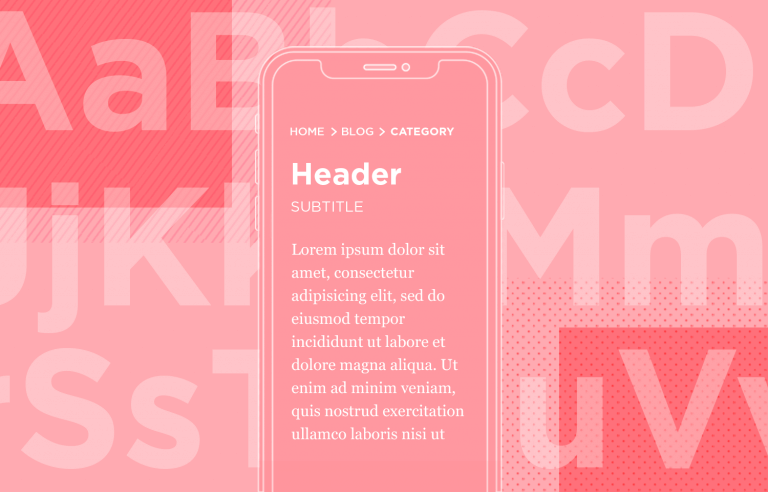
Font choice alone cannot guarantee legibility in low light. Text size, weight, contrast, screen brightness, glare, display quality, and the user’s vision all affect what appears on screen. Treat a low-light screenshot as a test condition, not evidence that a typeface is inherently easier to read.
Compare body text, labels, and buttons at their actual sizes. Check light and dark themes, normal and increased text settings, and the contrast between each text color and its background. If thin strokes disappear or small text becomes hard to distinguish, adjust the type scale or choose a more suitable weight.
Repeat the check on representative devices and at common brightness levels. Use the same copy and colors for each font option so that the comparison shows the typeface and rendering differences, rather than several design changes at once.
Review Width, Spacing, and Vertical Fit
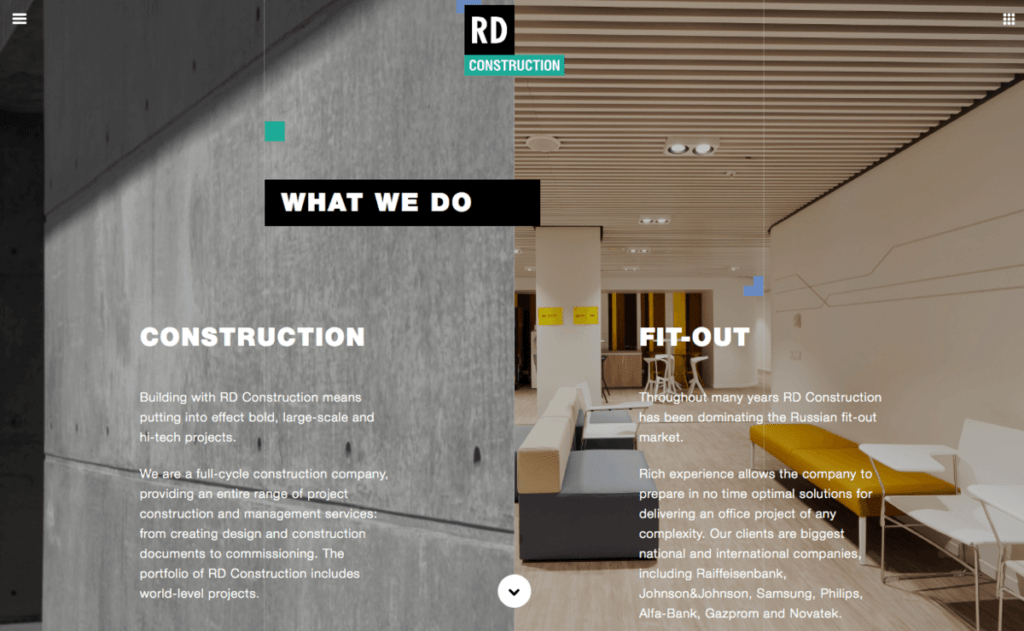
Helvetica Neue is proportional, so text length changes with the letters and style used. A screen designed around one font may need different button widths, line breaks, or truncation rules when another font is rendered. Check long names, mixed numbers and letters, and labels near their layout limits.
Review line height and baseline alignment in the actual components. Descenders such as “g” and “y” extend below the baseline; they are a normal feature of letterforms, not a defect. The practical question is whether the chosen line box clips characters or makes adjacent rows feel crowded.
For dense text, compare line breaks and scan patterns across the full paragraph. Adjust container width or spacing only after you have confirmed that the font package and weight are the ones the product will use.
Verify Platform, Language, and Fallback Behavior
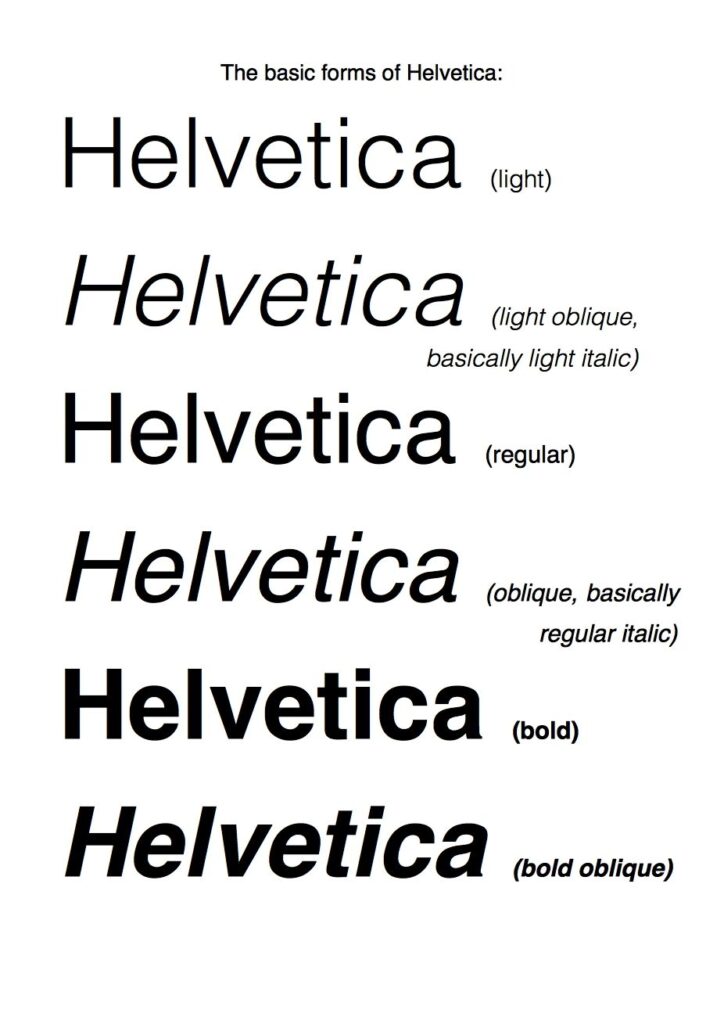
Do not assume every device has Helvetica Neue installed. A platform may use a different system font, and a missing font can cause a fallback that changes line breaks, control widths, and the visual tone. Decide whether the product will use an authorized embedded font or a platform-specific system stack.
Test on the iOS and Android versions that matter to the product. Confirm that the chosen file loads, that the intended weights are available, and that the fallback remains readable when the primary font is missing or delayed. The Apple typography guidance is useful when checking type behavior within Apple’s interface conventions.
Next, test all required languages and scripts. Confirm that accented letters and punctuation are present, then try longer translated strings and user-generated text. A family name does not guarantee that every package contains the glyphs a product needs.
These checks fit into the wider UX Design Process: What You Need To Know: test a working flow with realistic content, not just a static sample. Keep the fallback and localization rules in the design or implementation specification so they do not get lost at handoff.
Choose Only the Family Styles the Product Needs
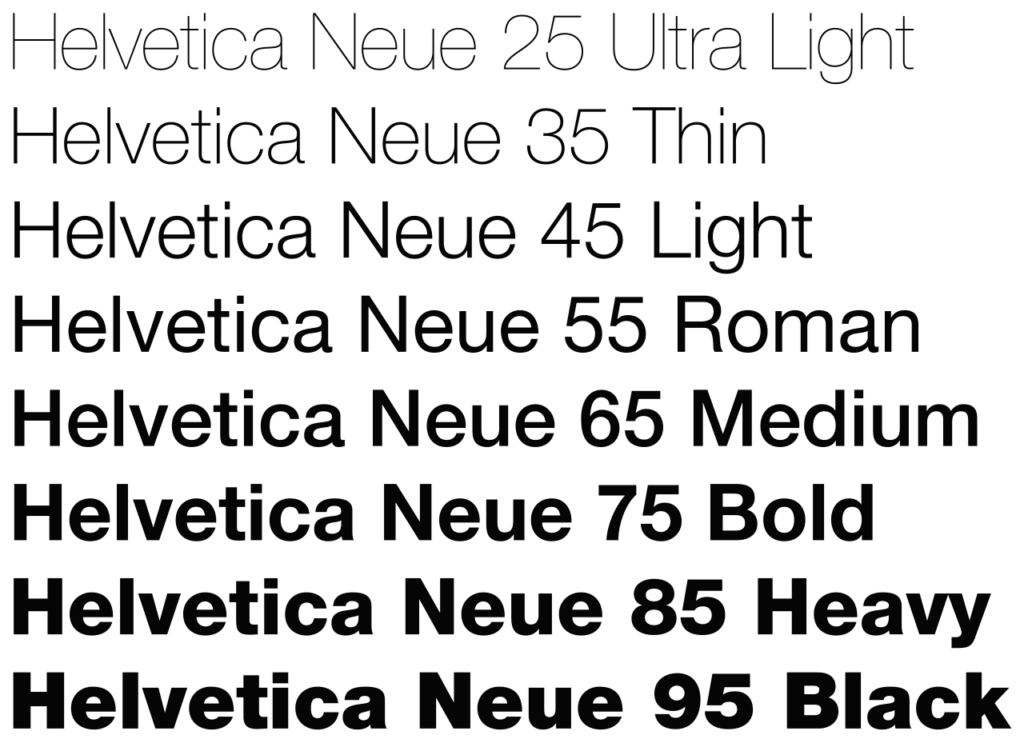
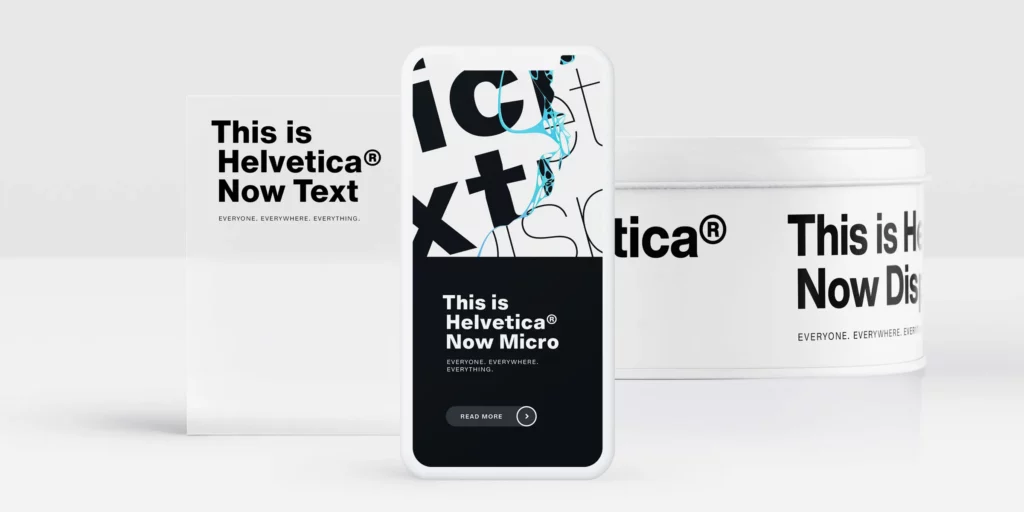
A font family can include several weights, widths, and italic styles. More options do not automatically make a better interface. Start with the roles in the product, then confirm that the specific package provides those styles and the required language coverage.
Use a regular weight for sustained reading when it performs well in the interface. Reserve heavier styles for a clear hierarchy or short labels, and check that adjacent weights remain distinct on the devices being supported. Do not claim that the family contains a fixed number of styles unless the current publisher page for the selected package confirms it.
Keep the chosen styles documented as shared design tokens or component rules. This makes it easier to keep screens consistent and to compare a future font change without manually adjusting every element.
What Are the Alternatives to Helvetica Neue?
Compare alternatives by license, platform fit, language coverage, and the visual result in your interface. The best choice is the one that meets the product’s constraints and reads well in a real test, not the font with the strongest reputation.
| Option | Consider it when | What to verify |
|---|---|---|
| Roboto | You want an open-licensed sans-serif with a familiar interface feel. | Check the current font license, needed styles, language coverage, and rendering in your app. |
| Open Sans | You need an open-licensed alternative to compare in longer interface text. | Confirm the styles and language support in the selected release, then test line breaks and hierarchy. |
| Platform system font | A native platform feel and simpler font delivery are priorities. | Compare the appearance across iOS and Android; the system font will not be identical on every platform. |
Roboto and Open Sans are available through Google Fonts with open-font licensing, but an open license still has terms. Read the license that ships with the font before modifying or redistributing files. Do not apply the same “free to share” description to Arial or another commercial/system font without checking its separate terms.
A short comparison prototype is usually enough to narrow the choice. Use the same content, layout, and type roles in each version, then ask reviewers to complete a real task. Keep the chosen font only if its visual value outweighs any extra license, delivery, localization, or maintenance work.
FAQs About Helvetica Neue Font
Is Helvetica Neue Free to Download?
Helvetica Neue is a licensed typeface, not a font with one blanket free-use download. Access may be included with an eligible provider plan, but the license still controls how you can use or embed it.
Can I Use Helvetica Neue in a Mobile App?
Yes, if the license for your exact package permits app embedding and distribution. Confirm the terms before bundling or serving font files, and use an authorized source.
Is Helvetica Neue Available on Every Android Device?
No. Do not assume it is installed on every Android device. Test the font file or system fallback on the Android versions your app supports.
What Is a Good Alternative to Helvetica Neue?
Roboto, Open Sans, or the platform’s system font may fit, depending on the interface and license needs. Compare them with the same text, sizes, language samples, and devices before deciding.
Choose Helvetica Neue only after its license, available styles, platform behavior, and test results fit the product. If another font passes those checks with less delivery overhead, that is a valid design decision too.
Also published on

Share post on










Related Articles


Helvetica Neue Font: Licensing, Styles, and Mobile UI Decisions
Helvetica Neue Font: Licensing, Styles, and Mobile UI Decisions Published September 30, 2026
10 Best Prototyping Tools for UI, UX, and Product Design Teams
10 Best Prototyping Tools for UI, UX, and Product Design Teams Published September 29, 2026
Product Design Process: 6 Steps From Research To Launch
Product Design Process: 6 Steps From Research To Launch Published September 18, 2026