














What Is Artificial Intelligence? Definition, Types, and How It Work

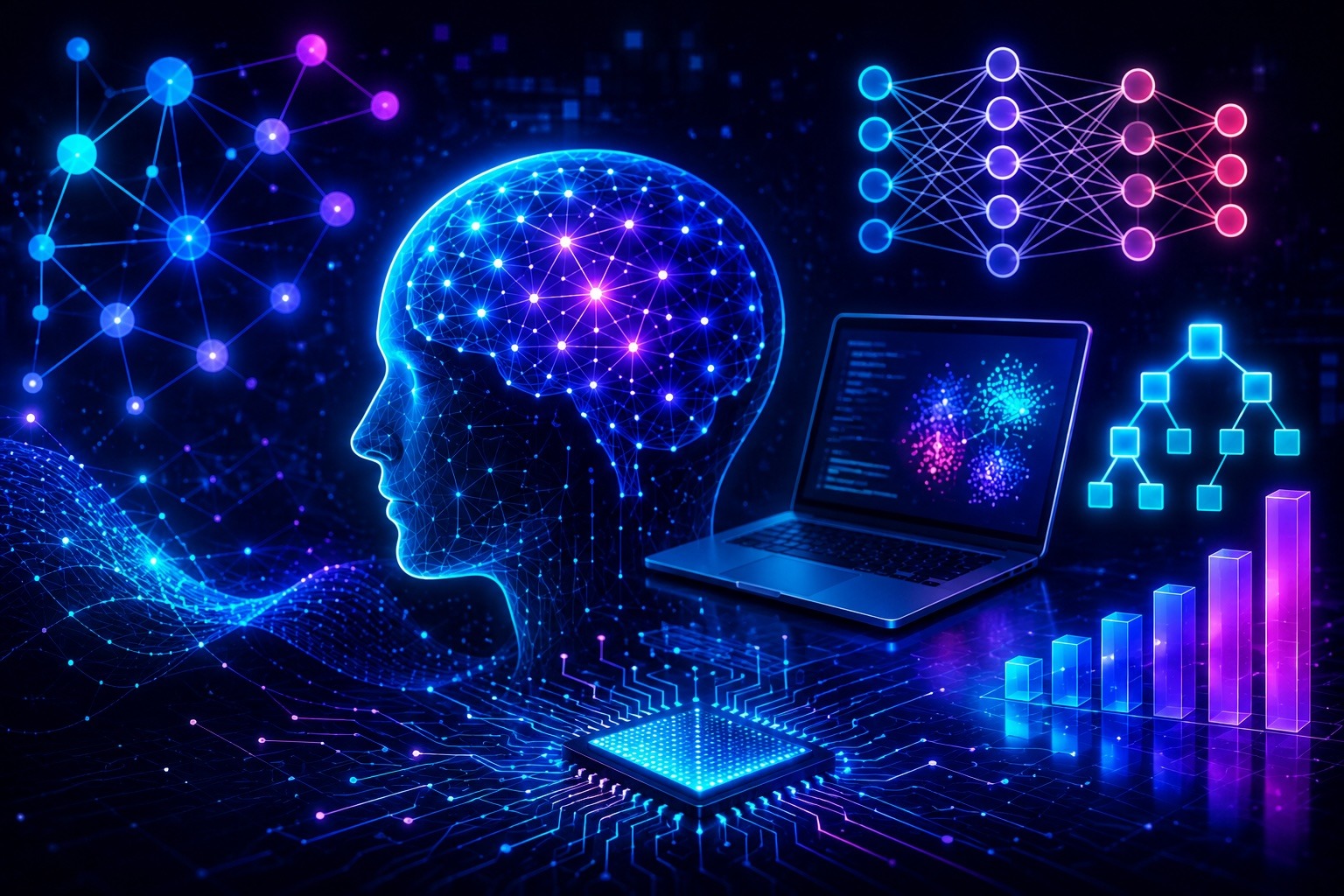
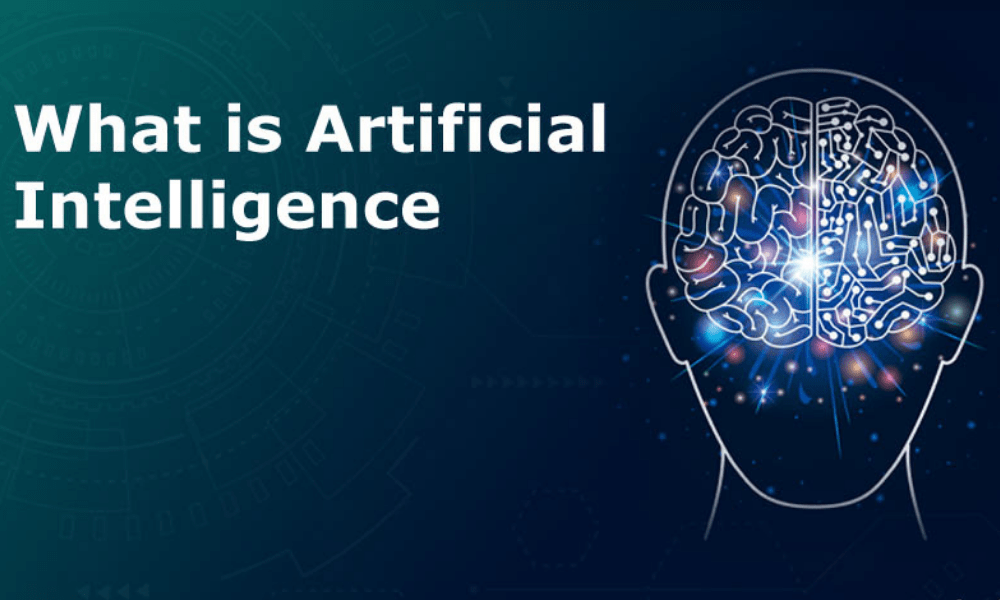
Artificial Intelligence is the simulation of natural intelligence in machines that are programmed to learn and mimic the actions of humans. These machines are learning with experiences and perform human-like tasks. AI continues to grow, they will have a great impact on our quality of life. Find out what is Artificial Intelligence and learn more about the types of artificial intelligence that shape our future world.
What Is Artificial Intelligence? (AI)
As we increasingly use the internet and cloud to work, make decisions and build things, it’s becoming important to know the difference between artificial intelligence (AI) and regular software. The former tends to be completely artificial; a process by which computers create their own rules, which they apply to solve a problem. It’s just computer code, except these rules get tweaked every time.
However, this software — which typically helps programmers to identify patterns and automate some tasks — often takes the form of bots, which are computer programs that perform a particular task and then disappear.
How Does AI Work in the Business World?
How Does It Work?
When and where was AI applied for? What is AI? What is a neural network? Is AI the future of everything? AI as a technology has the potential to change the way we do almost everything in our day-to-day business, including the following: How does AI work in a business?
There are many ways AI is implemented in the business world: Manual Artificial intelligence is considered a manual process because there are a lot of human decisions, and people use data from the past to help process the data of the present. To make decisions about a future that is never really here, some decision-makers will call on AI. This is when we consider machine learning as a manual process.

The Way AI Works in Businesses?
Artificial intelligence is a technology that is useful for many industries today. The advantages of AI are numerous and include a reduction in labor costs, improved customer service, increased efficiency, and enhanced decision-making capabilities. The advancement in AI will fundamentally change the future of work:
- Artificial intelligence in healthcare is going to make it easier for doctors to diagnose diseases and recommend treatments, as well as for patients to monitor their health and take care of themselves. (included artificial intelligence in medicine)
- Artificial intelligence in education will help teachers plan lessons and develop new teaching methods.
- Artificial intelligence in cybersecurity can be used to monitor suspicious activity, both on networks and on individual devices, and can even help companies find critical vulnerabilities before hackers do.
- In the video games industry, AI helps entrepreneurs to create immersive worlds that are more realistic than ever before.
Anyway, there is no denying the importance of AI in the modern world. The technology is utilized by businesses and organizations for a wide range of purposes, from healthcare to video games. AI will continue to expand into other industries as well, increasing the quality and efficiency of day-to-day tasks in fields such as law enforcement or e-commerce.
The 4 Types of AI and What They Do
The biggest buzzword in the tech industry in the past year has been artificial intelligence. It has been given labels such as machine learning and deep learning and is in all likelihood responsible for Facebook Messenger bots that respond to you. But what is artificial intelligence? Is AI the future of everything? And what does it really mean for the consumer? First, let’s distinguish between artificial and real intelligence.
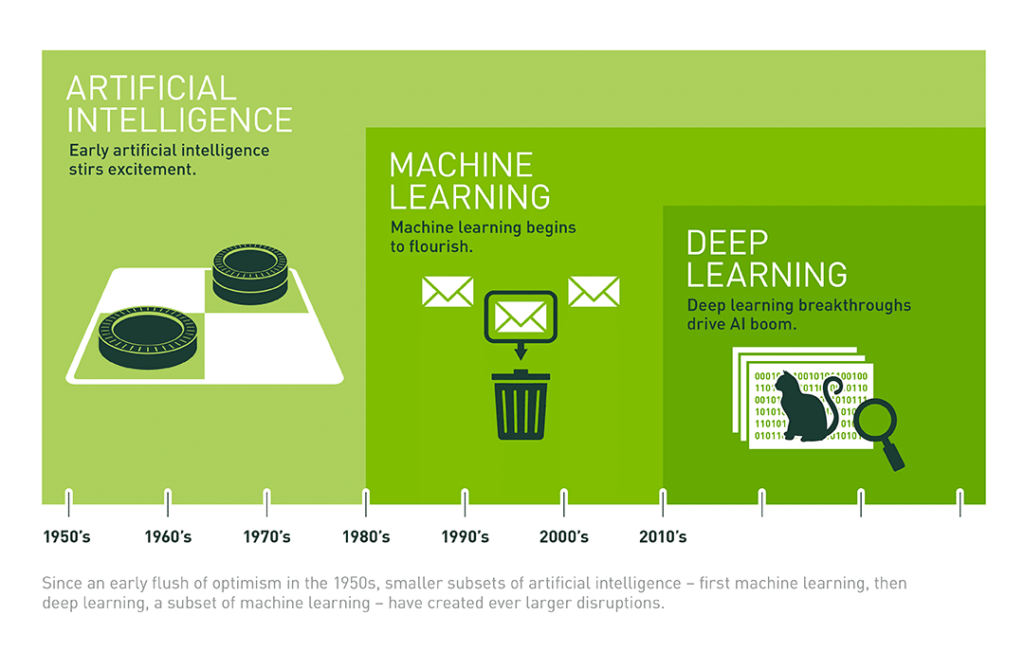
Artificial intelligence is the ability of machines to simulate human intelligence in the same way that humans can. It’s no surprise that artificial intelligence is not hard to create in principle. Machines have been learning to understand things since humans developed language. What’s new is the widespread use of AI in smart devices and products. Let’s see how many types of artificial intelligence are and the way we applied them in our life.
1. Machine Learning
Machine Learning in Real Life History of Machine Learning History of AI Colette Bloch, Global Head of Technology Consulting at CEB: – “In my opinion, both AI and machine learning are becoming more and more important tools to solve real problems. I have seen both potential and reality, which is why I believe it is important to recognize how these tools have been utilized in the past.”
Machine Learning and the Future of IT
You must be cautious, there are many ways to cause your organization harm. See what you are doing today and anticipate the dangers of tomorrow. The answer to your most difficult decisions about how to proceed may lie in AI.
Recommended reading: 5 Common Myths of Artificial Intelligence
2. Natural Language Processing (NLP)
This technology enables computers to understand human speech as well as humans to understand each other. Most devices that interface with the internet understand the spoken word. Google Translate, for example, is an NLP program that allows a user to speak a foreign language and have the software translate what they are saying into a human language, usually English.
Speech Recognition Software technology refers to the ability to automatically extract speech from audio, using software to compare the audio to a list of words to determine which word is already stored in the system. Many assistants for mobile phones and smart speakers can understand speech as well as humans.
For your information, AI Chatbot is based on NLP technology that helps online businesses improve their Customer Relationship Management. Most famous on Facebook Page.
Recommended reading: What Is a Chatbot and How Does It Work?
3. Deep Learning
It (Deep learning) is a very specific artificial intelligence method at Stanford. It relies on the simulation of layers. In other words, the first layer simulates the brain of a mouse. The second layer simulates the brain of a dog. And so on. Every layer simulates some kind of memory, and the best one simulates the human brain.
Deep learning helps businesses create Artificial Neural Networks. It also helps to identify objects in images, recognize words, understand speech and translate languages. Industrial Applications Retail giant Wayfair used deep learning to analyze millions of product photos, letting the website rank the items in stores.
4. Computer Vision System
Computer vision, also known as computer-based image analysis and computer-based video analysis, is a part of digital photography and videography. It is a technology that will have a huge impact on the way we communicate with both humans and computers.
This is a key technology that enables AI vehicles to work. Computer vision is a very important technology that will have a great impact on our future. There are two different things to talk about in computer vision:
The Future of Computer Vision
Computer vision is the next big thing! The use of visual data for research, medical diagnostics, security, and surveillance, augmented reality, and many other applications will be a huge market in the future. With computer vision software, computers can understand our world like never before.
The Future of Robotics
Computer vision and robotics are two of the fastest-growing fields in science and engineering today. They have helped robots explore Mars, enabled self-driving cars to navigate roads, and allowed visually impaired people to read with confidence.
Recommended reading: Robot Life on Mars! Meet the Machines Exploring the Red Planet Today
How AI Will Change Our Future?
Artificial Intelligence or AI is becoming more prominent in our daily lives and impacts almost every area of our lives. With smart devices becoming more accessible to us, we have become increasingly reliant on digital technology. The Internet of Things is creating a network that is connecting our homes, businesses, cars, and watches to the internet. Each piece of technology that interacts with our devices is becoming intelligent and is able to adapt to our usage patterns. In their development, we are seeing advancements in the field of Artificial Intelligence, and in particular the use of AI technology in quantum computing*.
*Quantum computing is a new type of computing that involves the manipulation of matter and energy at the atomic level.
Also published on

Share post on










Related Articles



RAG Status In Project Management: Meaning, Colors, And Examples
RAG Status In Project Management: Meaning, Colors, And Examples Published September 09, 2026
What Is LangChain and Where Does It Fit in an AI Application?
What Is LangChain and Where Does It Fit in an AI Application? Published August 25, 2026
8 LangChain Use Cases For AI Products That Need More Than Prompts
8 LangChain Use Cases For AI Products That Need More Than Prompts Published August 25, 2026