















Tech advancements have introduced many new concepts, one of which is the Internet of Behaviors, or IoB. Is this term an umbrella concept, an innovative technology, or something else? In this article, you will discover the basics of the Internet of Behaviors (IoB), from how it works to its real-world applications.
What Is the Internet of Behaviors (IoB)?
The Internet of Behaviors is not a specific technology, but a comprehensive process of combining advanced techs to collect and analyze data from different sources for ultimately understanding the behaviors of the target audience.
For example, a company adopting IoB can gather data from IoT (Internet of Things) sensors, social media, and more. This data is then processed, stored, and secured in cloud platforms or on local devices (e.g., smartphones or computers). The company then uses machine-learning algorithms, big data analytics, and other advanced technologies to analyze data thoroughly.
But IoB isn’t only about technical stuff, but also covers psychological aspects. The company adopts behavioral science disciplines to proactively grasp user behaviors and identify which psychological variables impact a certain outcome.
The term IoB was made popular by Gartner in 2021 as the top strategic technology trend. Gartner also predicted that more than half of the world’s population would experience at least one IoB program by the end of 2025. And the reality proves that IoB has been increasingly popular, with an estimated $679.62 billion by 2026, and this figure will continue to rocket in the upcoming years.
FURTHER READING: |
1. 20 Leading Agentic AI Companies & Platforms in 2026 |
2. What is an LLM Agent? A Detailed Explanation of Its Functions |
3. What are Vertical AI Agents? - Everything You Need to Know |
How Does the Internet of Behaviors Work?
At its absolute core, IoB works through a three-stage, almost cyclical process.
- Data Collection
It all starts with mountains of raw data that the IoB system collects from different sources, including device sensors, social media, CRMs, and more. The data can vary depending on the target users and the ultimate purpose of your company.
For example, in manufacturing, an IoB system can gather valuable data from sensors on machinery, factory floor, door scanners, or surveillance cameras to track how machines perform, how robots move, and whether employees adhere to safety guidelines.
- Analysis
The data is diligently collected, but still remains meaningless. A plant supervisor doesn’t want just to know the temperature of machinery. He wants to gain deeper, more nuanced insights into this data by discovering why and how. This is where machine-learning algorithms, big data analytics, and behavioral science shine.
With advanced technologies and behavioral science principles, IoB fundamentally adds context to data points and discovers subtle, hidden patterns. These behavioral patterns help you figure out why your customers behaved that way, why your marketing campaign failed to attract target users, etc.
- Feedback Loop and Behavioral Nudge
You’ve collected the data, you’ve analyzed the behavior. So, then what happens? The final step is to leverage that insight to create a feedback loop that subtly encourages a change in behavior. In other words, IoB uses analytics results to intelligently guide you on what to do next to achieve better outcomes.
For example, if the analysis shows workers on a factory floor consistently tend to forget their safety goggles right after their lunch break, the IoB system might immediately trigger a smart sign near the breakroom exit to flash a personalized reminder.
Internet of Behaviors (IoB) vs Internet of Things (IoT)
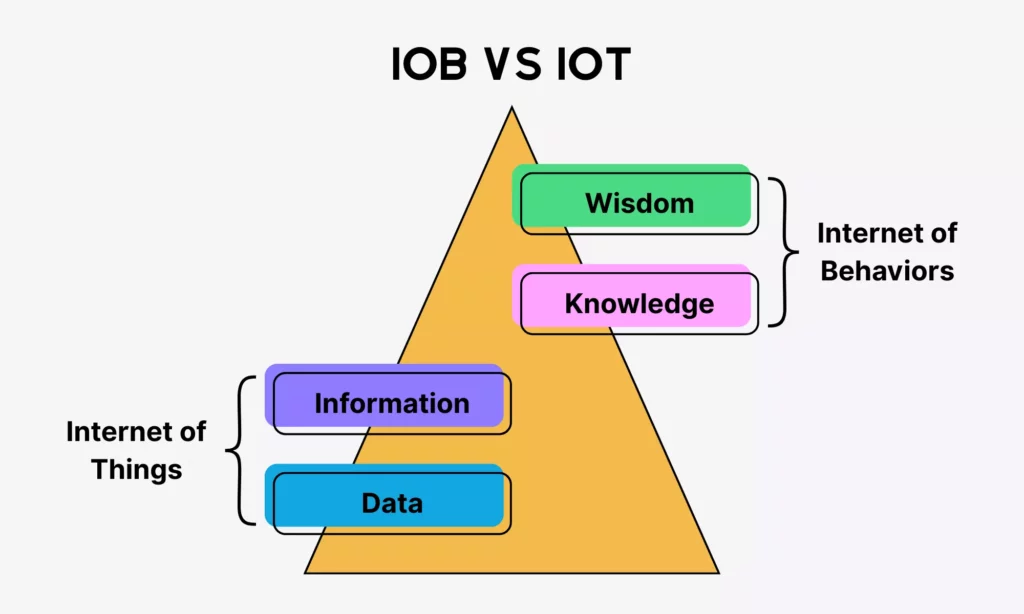
The biggest difference between the Internet of Behaviors and the Internet of Things is their ultimate purpose.
The Internet of Things, or IoT, is a network of connected devices that have sensors or actuators to detect subtle changes in their surroundings. These devices vary, from home thermometers and smartwatches to surveillance cameras.
With IoT technology, physical objects around you become alive. They communicate with each other or a central processing unit, as well as cloud or on-premises platforms, to exchange data. The purpose of the IoT network just stops there: connecting physical devices and collecting data.
The Internet of Behaviors not only aims at data collection, but also makes this data more valuable and actionable. Coined by Göte Nayman, a psychology professor from the University of Helsinki in 2012, IoB refers to a network of IoB addresses that represent human behavior patterns (e.g., browsing products late at night or walking less than 2km on weekdays).
An IoB system not only collects data from IoT devices but also from other sources (e.g., social media or CRM) to discover those human behavior patterns. Then, the system analyzes and automatically takes proper actions based on a specific behavior (e.g., sending product notifications during late-night hours).
So, unlike IoT, the IoB system not simply observes the “what” but also discovers the “why” and even automatically triggers suitable actions.
FURTHER READING: |
1. What Is Data Classification: Best Practices And Data Types |
2. How to Increase the Quality of Your Data |
3. Define-XML Driven Solutions: Optimizing Clinical Study Outcomes |
Advantages and Disadvantages of Using Internet of Behaviors
Adopting the IoB gives your business invisible benefits:
- IoB helps you avoid simple guesswork that leads to inefficient decisions or improper actions. By collecting data from different sources and conducting thorough analytics, IoB systems can model and predict human intent more accurately.
- IoB gives hyper-personalized customer experiences. Forget generic ads that feel like noise. If an IoB system gathers data from a user’s smart speaker, browsing history, or fitness app, it can, frankly, paint an incredibly detailed digital portrait of their needs. This allows your company to target the user with the right ad and product recommendation.
- IoB increases operational efficiency and employee productivity. No matter which situations an IoB system aims at, it can help you optimize many operational workflows and reduce repetitive work often done manually, therefore making employees more productive. Think of an IoB system managing inventory through data from surveillance cameras and customer demands.
- IoB improves public or work safety. An IoB system can be widely applied in various situations, from self-driving cars and smart cities to manufacturing plants, to consistently monitor and analyze people’s behaviors. This helps municipal authorities and factory supervisors to detect unusual behaviors or risky procedures respectively.
However, be careful with the potential drawbacks of the IoB itself:
- IoB depends heavily on data. What if a sensor is malfunctioning or if external data sources are filled with misinformation or biased data? This can result in flawed actions or useless decisions. Therefore, careful data processing is crucial in the IoB process.
- IoB raises privacy concerns. Users may feel happy when an IoB system suggests their favorite products or movies. But at the same time, they feel annoyed when “being observed” by IoB programs and show serious worry about whether their data, especially sensitive information is used in the right way.
Privacy, Ethics, and Security Risks of IoB
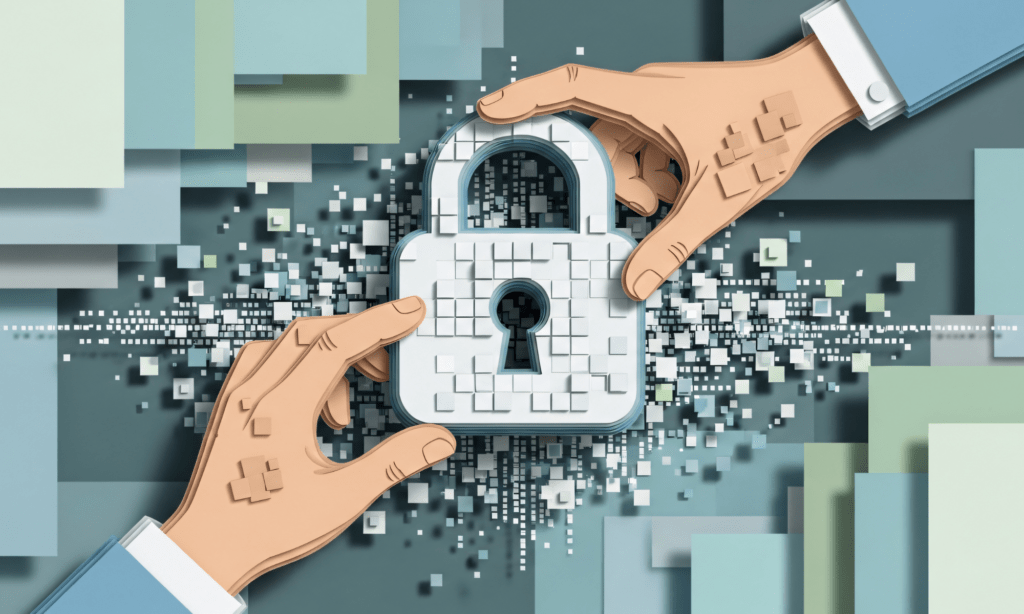
It’s completely impossible to talk about the Internet of Behaviors without discussing its inherent risks of privacy, security, and ethics.
- Privacy
Do people really read endless terms and conditions when they install a new app? Probably not, you know? IoB relies on pooling data from many different, disparate sources, and users may consent to one specific system but not realize their data is being funneled into a massive, centralized behavioral engine.
This scope creep fundamentally erodes trust. Regulators, like those pushing for enhanced GDPR-style laws, are frantically trying to catch up, but honestly, technology is moving at light speed, and the law can feel like it’s dragging its feet.
The privacy risk isn’t just about data collection, but also about creating a hyper-detailed, incredibly intimate digital twin of a user’s personality and habits. This is what we call “data shadow.”
IoT merely observes you turn off a light switch. IoB, on the other hand, infers that you turn off the light at that precise time because you are preparing to sleep, and then cross-references that with your fitness tracker to deduce the quality of your sleep. This is an enormous, transformative leap. However, data points, when combined and analyzed this way, become sensitive personal information.
- Ethics
The way IoB manipulates data also leads to ethical issues.
If an IoB system reminds a factory worker to wear their safety gear. That’s good paternalism, right? But what if the system encourages a customer to spend more money unnecessarily, or subtly influences the customer’s purchase opinion? That makes IoB less ethical.
- Security
A company adopting IoB is often a cyberattack target, as it collects, handles, and analyzes mountains of data. Without robust security protocols and measures, an IoB system can be hijacked and reveal sensitive information to bad guys.
Use Cases of Internet of Behaviors
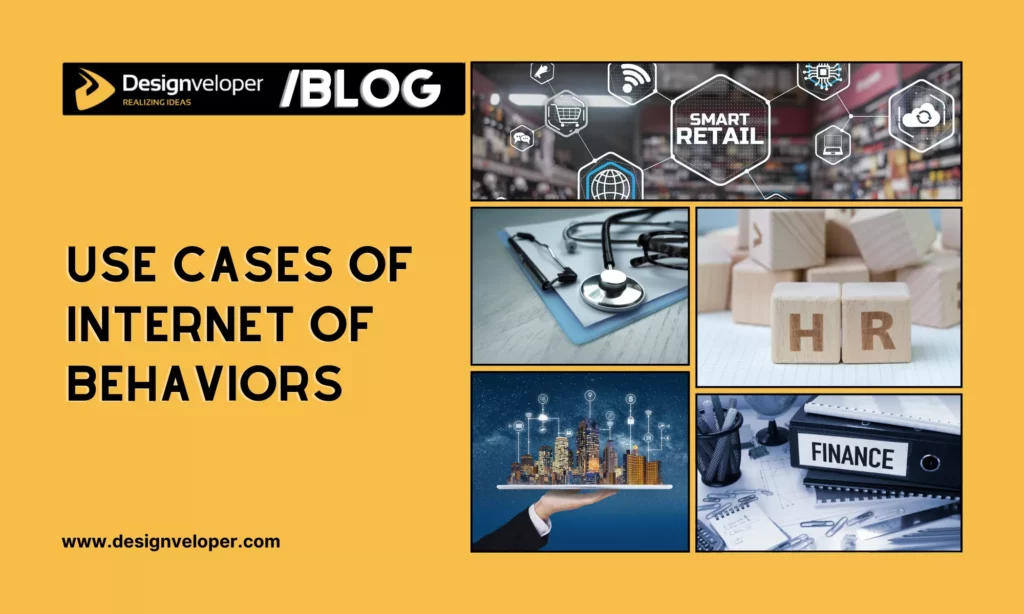
The scope of IoB application is enormous. It’s not an exaggeration to say almost every major sector has now figured out a way to use that behavioral data to empower decision-making and improve productivity. Now, let’s figure out the five common use cases of the Internet of Behaviors:
IoB in Marketing and Customer Experience
This is, perhaps, where IoB is the most visible to the average consumer, whether they realize it or not. In this segment, IoB is about sending personalized content (e.g., products or articles) or targeted advertising campaigns to the exact audience you want. Particularly:
- Personalized recommendation
Imagine you are shopping online, and you spend a lot of time zooming in on a specific color of shirt. The IoB system analyzes your previous purchases, your average screen time on similar items, and maybe even your preference for that color across social media. Then, it triggers a specific pop-up offering a temporary, personalized discount just for that item.
It’s not a generic sale, but a tailored nudge to your demonstrated interest. This significantly cuts down on cart abandonment and offers better service to your customers.
- Retail environment optimization
Even in physical stores, IoB is at work. Cameras and sensors track foot traffic for sure. But the IoB layer analyzes why people stop at a certain shelf for longer than average, or why they keep walking past a sale display.
Retailers can then instantly adjust things like lighting, music, or even digital signage to match the observed behavioral patterns in real time. This helps optimize the human journey through the store.
IoB in Healthcare
While the privacy issues here are incredibly sensitive, IoB still holds perhaps the biggest potential for positive societal impact in health.
- Personalized wellness programs
IoB systems collect data from your wearables, smart scales, and sleep trackers to discover subtle behavioral changes that potentially precede a health crisis. For instance, if a care provider’s IoT system identifies a continuous, significant decline in sleep quality coupled with a noticeable drop in activity, it might automatically trigger a personalized check-in, prompting an intervention before a serious issue, like burnout or depression, fully sets in.
- Medication adherence
IoB systems help healthcare professionals get people to take their meds correctly. People forget, or their routines get messed up? Don’t worry! IoB can link smart pill bottles (which track when they’re opened) with other behavioral data, like location or routine. If a person misses their usual time, the system can send a subtle, non-judgmental reminder via their smart speaker or phone.
IoB in Smart Cities
Smart cities are essentially giant, municipal-level IoB projects. With the introduction of IoB, authorities can improve public safety and efficiency. How?
- Dynamic traffic management
IoB uses sensor data from road networks, public transit apps, and even anonymized GPS data to understand driving and commuting behaviors across a city. If the system detects a highly predictable, risky pattern of drivers aggressively accelerating through a particular intersection, it might dynamically adjust the traffic light timing or trigger a temporary digital speed limit sign. This encourages thousands of drivers to drive safely and prevents accidents.
- Public utilities optimization
Tracking how and when citizens consume water or electricity allows utilities to predict demand much, much more accurately. It means they can adjust supply behaviorally, saving resources and preventing infrastructure strain. If everyone seems to use electricity at a certain spike time, they can proactively shift generation, instead of reacting when things are already overtaxed.
IoB in Workplace and HR

This area often sparks debate, as it deals directly with employee monitoring. But when framed correctly, IoB systems help build a safer work environment.
- Safety and compliance training
IoB improves workplace safety and ensures compliance, especially when people work in hazardous environments, like manufacturing plants. By analyzing patterns of employee behaviors, IoB shows whether manufacturing workers wear protective equipment in the right way, how employees handle sensitive digital documents, whether healthcare staff ensure sanitization, etc. This monitors how employees adhere to a company’s policies and safety protocols, and sends reminders when needed.
- Performance and productivity management
IoB collects data from different sources, like company internal systems, location tracking, etc., to interpret work patterns (e.g., collaboration spikes or email response times). This helps HR specialists assess productivity objectively, detect the early signs of burnout, identify skill gaps, and more.
IoB in Finance and Insurance
This is perhaps the earliest, most mature adoption of IoB principles because the incentives are so clear: risk reduction and personalized pricing.
- Fraud detection
In finance and banking, IoB systems analyze not just the transaction itself, but the behavioral context around it. Was the transaction preceded by unusual login patterns? Was the customer using a device or a location they never use? A slight deviation from a user’s established financial behavior profile triggers an alert, catching fraud that simple, rules-based systems often miss.
- Credit scoring and loan approval
IoB helps financial institutions calculate credit scores precisely within seconds to support fast loan approval. Through data analyzed, IoB systems can figure out low-risk clients and offer them personalized interest rates.
- Usage-based insurance (UBI)
By tracking the driver’s behavior (speed, braking, time of day driven, etc.) via a phone app or a device in the car, insurers move from predicting risk based on demographics (old, kind of outdated model) to predicting risk based on actual, demonstrated behavior. Safer drivers pay less.
Internet of Behaviors and Cybersecurity
IoB takes all the existing security weaknesses of advanced technologies it counts on, and one noticeable risk is cyberattacks.
A traditional cyberattack might just steal a batch of credit card numbers, which is bad, sure. An IoB breach, however, steals something far, far more valuable: the entire, detailed behavioral profile of millions of people. This data is the crown jewel for identity thieves, for foreign adversaries looking for strategic leverage, or for competitors seeking to undermine a business strategy.
Additionally, IoB relies on the complex interconnection of many different networks: corporate CRM systems, social media APIs, industrial IoT devices, and personal smart devices. Every single connection point is a potential vulnerability.
So, protecting just one network is not enough. Instead, you have to focus on safeguarding the entire system by adopting robust security measures (e.g., end-to-end encryption or authentication) and monitoring the system continuously.
This protects sensitive or confidential information from being stolen, for sure. Further, it prevents attackers from re-programming the IoB system to take intentionally false or dangerous actions.
Real-World Examples of Internet of Behaviors (IoB)

Despite privacy and security concerns, IoB still has a wide application across industries and companies of all sizes. Below are successful examples of IoB:
- Amazon (E-commerce / Media)
Amazon basically collects data, like browsing habits, time spent hovering over an item, purchase history, products returned, and even data from Alexa (voice commands, media consumed). Then, the company uses machine learning to encourage a customer’s next action with “Customers who viewed this item also bought…” or personalized recommendations on the Prime Video landing page.
This dramatically increases the chances of an impulse buy and boosts overall Customer Lifetime Value (CLV). They know what you want before you do, it seems like.
- Aviva (Insurance / Telematics)
Aviva is one of the first major global players to really use a behavioral approach to risk assessment. Particularly, its IoB system tracks accelerometer data, GPS location, speed, time of day driven, and harsh braking events through smartphone apps to issue a “driving score” or a percentage-based discount/surcharge.
- Uber (Transportation / Logistics)
Uber uses IoB not just for passengers, but to manage and maintain the quality of behavior from their massive network of drivers. Particularly, its IoB system collects and analyzes data, like passenger feedback/ratings, driver GPS data (speed, route efficiency), time to accept a ride, and driver cancellation rates. Using demonstrated results, the system provides continuous feedback, often in the form of mandatory training modules or, in extreme cases, deactivation.
- Sensiotec (Healthcare)
Sensiotic has collaboratively worked with Designveloper (a leading software development company in Vietnam) to build the Virtual Medical Assistant. This remote and wireless patient monitoring platform measures heart and respiration rate and movement. It then offers crucial “spot” and “trend” data to the monitors of nursing staff without the need for electrodes touching the patient or pads that contact with another surface.
FAQs About Internet of Behaviors
Is Internet of Behaviors ethical?
It depends entirely on the intention and transparency of the system.
IoB can be absolutely ethical when its purpose is undeniably beneficial and transparent. For example, using anonymized employee behavior data to prevent serious factory accidents or issuing real-time, non-invasive safety warnings on a construction site.
However, the ethical risk arises when IoB is used without super clear consent, or if it is used to subtly manipulate individuals into purchasing something for the sole financial benefit of the entity collecting the data.
So, ethical IoB deployment often requires absolute clarity on how the data is being pooled and why the resulting action is being triggered.
Is IoB legal?
Yes, IoB is naturally legal. Right now, IoB is subject to the same major data privacy laws that govern the Internet of Things and other digital data collection, like the EU’s GDPR or California’s CCPA. These laws mandate things like explicit consent and the right to access or erase data. That’s all straightforward enough, on paper anyway.
However, if the entity uses IoB in the wrong way (like collecting sensitive data without consent or manipulating end-users to do something for the entity’s sake), the IoB system they use is considered to violate laws.
Does IoB require IoT?
Technically, no, but functionally, yes.
You could, theoretically, run a simple IoB system using only non-IoT data, like analyzing email subject lines and calendar entries alongside CRM data to predict a sales outcome. That would still be a form of behavioral analysis, sort of.
However, the true power of the Internet of Behaviors comes almost entirely from the sensors and devices of the Internet of Things (IoT). IoT provides the raw, physical-world input that makes the IoB analysis rich and detailed.
Also published on

Share post on










Read more topics










You may also like



Agentic AI Impact on Workforce: How It Reshapes Jobs & Organizations
Agentic AI Impact on Workforce: How It Reshapes Jobs & Organizations Published March 06, 2026
Agentic AI Single vs Multi-Agent Systems: Key Differences
Agentic AI Single vs Multi-Agent Systems: Key Differences Published March 04, 2026
Agentic AI Security: Risks, Core Architecture, Solutions
Agentic AI Security: Risks, Core Architecture, Solutions Published March 03, 2026