
















The Role of UI/UX in Product Growth and Long-Term Brand Visibility

User interface (UI) and user experience (UX) design have evolved from being surface-level concerns to playing a key role in product success. As users interact with software, websites, or apps, their perceptions are shaped by how intuitive and enjoyable the experience is. A strong UI/UX doesn’t just reduce friction — it builds trust, loyalty, and engagement. In a digital-first world, design can be the reason users stay or leave. It affects onboarding, feature discovery, and overall satisfaction. More importantly, it directly influences brand visibility by shaping how users perceive and talk about a product. If design recommendations get overlooked, even the most innovative functionality risks going unnoticed.
Design’s Role in SEO
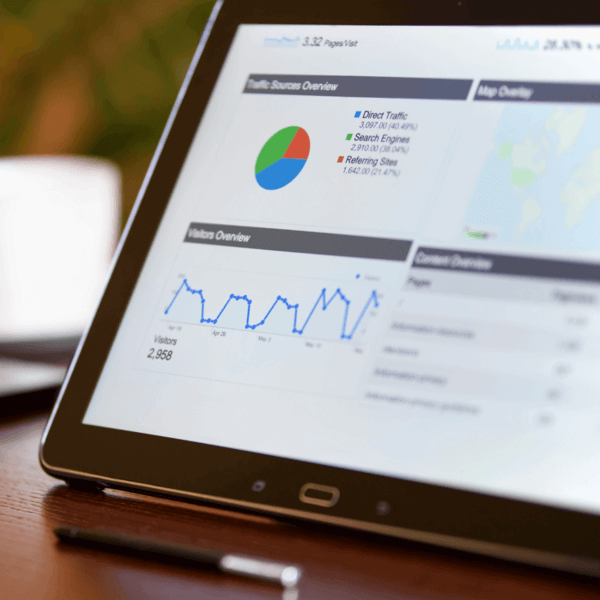
Strong UI/UX doesn’t just help users — it helps search engines understand and rank content more effectively. Clean code structure and responsive design ensure faster page loads. Short load times reduce bounce rates, while a clear content hierarchy supports crawlability. These technical improvements give your product pages and SEO edge.
UX also contributes to engagement metrics that search engines consider. Time on page, depth of visit, and return rate all improve when users enjoy the interface. These behavioral signals indirectly push rankings higher, especially for product-led content pages and landing experiences.
Design and Off-Page Optimization
Considering the importance of off-page SEO, it’s no wonder UI/UX design matters there as well. Backlinks and brand mentions depend on perception. When a product is pleasant to use and visually appealing, it’s more likely to be reviewed, blogged about, or included in curated directories. Writers are more inclined to recommend interfaces that feel modern, and users are more likely to share experiences that feel polished.
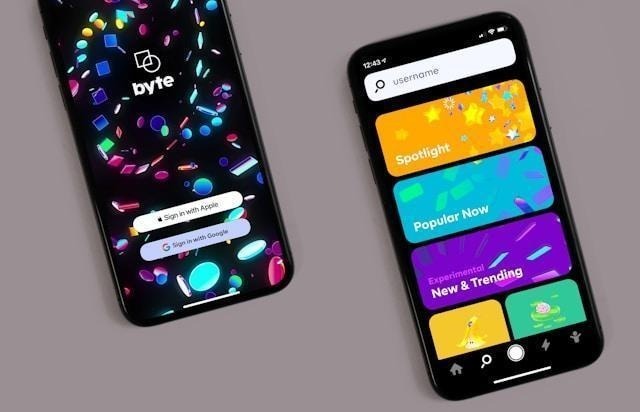
Social shares increase when users feel proud of what they’re interacting with. Whether it’s a productivity dashboard or an AI tool, if users take screenshots and share them, that builds authority and trust signals. These off-site references help build domain authority, drive referral traffic, and grow brand reputation in spaces your internal team can’t reach directly.
Well-executed design is also central to user-generated content. Happy users leave reviews with screenshots. Creators on YouTube or TikTok showcase tools that look good. These visual impressions reinforce the brand story and improve brand visibility through organic promotion.
Why UI/UX Fuels Product Growth
Growth starts with user acquisition, but it’s sustained through activation and retention. A well-designed product leads users to value faster. For example, a smooth onboarding flow introduces features without overwhelming new users. Clear visual hierarchy ensures key actions are obvious. Minimal distractions allow users to complete goals without hesitation.
When users succeed quickly, they are more likely to return. They’ll explore deeper features, engage with the product longer, and convert to paying customers. Whether you’re building a SaaS platform or a mobile app, these micro-interactions — how a button responds, how pages load, how help is offered — accumulate into a complete experience.
Second, UI/UX can reduce support costs. A confusing interface creates dependency on documentation or live help. But when design is intuitive, users rely less on external guidance. This drives efficiency and reinforces confidence in the product.
Design also affects virality. When users enjoy the experience, they recommend it. Screenshots of sleek dashboards get shared. Interfaces that feel modern attract attention. All these contribute to growing user bases with minimal paid marketing. With consistent UI/UX principles, even basic features feel delightful and usable.
UI/UX and Brand Perception
Visual design sets expectations. If your product looks cluttered or outdated, users may assume the technology behind it is too. On the other hand, clean design, consistent typography, and thoughtful spacing convey professionalism. These web design principles create emotional impressions before any words are read.
Consistency plays a major role. Repeating layout patterns across different pages builds familiarity. When users see that buttons, colors, or icons behave the same way everywhere, they feel more confident. That sense of reliability translates into brand trust.

Accessibility is also key. A UI that considers users with impairments demonstrates a commitment to inclusivity. Simple changes like proper color contrast, keyboard navigation, and readable font sizes make a product usable for more people. Over time, that inclusive experience boosts both loyalty and public perception.
All of these factors combine to increase brand visibility. When a product looks and feels refined, it becomes part of how users talk about it. Reviewers highlight design clarity. Influencers notice small interaction touches. And positive feedback becomes a magnet for wider attention.
UI/UX in Retention and Long-Term Loyalty
Retention is where many products struggle, and it’s often a design problem. After initial excitement fades, users abandon apps that feel tedious or confusing. Strong UX counters this by reinforcing progress and reducing friction.
For example, personalization features — like remembering user preferences or auto-suggesting content — add convenience. Micro-interactions like checkmarks, tooltips, or subtle animations create feedback loops. They reassure users that their actions matter, keeping them engaged longer.
Surveys, exit popups, and heatmaps help product teams discover pain points. These insights can guide subtle design tweaks that keep users coming back. A small change to a dashboard layout or a better loading animation can significantly improve stickiness.
Design also supports long-term loyalty through brand tone and visual identity. Fonts, iconography, and layout all play into recognition. Over time, these visual elements become part of the brand itself — instantly recognizable and consistent across platforms. This strengthens user habits and fosters advocacy.
Loyal users are more likely to contribute to forums, recommend your product, or join referral programs. Their ongoing interaction supports long-term growth and continuous improvement, further enhancing brand visibility through community and shared trust.
Wrapping Up
UI and UX are no longer optional — they’re growth drivers. From user acquisition to retention, from SEO to shareability, design choices shape outcomes. A product that looks good and works well builds loyalty, reduces churn, and stands out in saturated markets. More importantly, good design communicates trust and intent. It creates positive experiences that users remember, recommend, and return to. This ripple effect supports lasting brand visibility, helping products not only attract attention but also keep it.
Also published on

Share post on