













Since its first introduction by Alan Turing, Artificial Intelligence has been widely used to automate business functions. But this also raises a big concern among workers: Can AI replace them? Or what types of jobs will AI affect the most?
This article will explore these important questions to help you better understand AI’s impacts on the job market. We’ll look at the types of jobs that AI affects the most. Also, we’ll discuss how AI is transforming our economy and society and what you should prepare for these changes. Are you ready to discover? Keep reading!
Understanding AI Impacts
In the first section, let’s look at how AI impacts the current workforce.
Will AI Completely Take Over Your Jobs?
The answer to this is no. We all know AI has the potential to automatically perform repetitive, mundane jobs, leaving human workers more space to take complex charges. However, exposure to AI can lead to job losses in certain sectors.
So what types of jobs will AI affect the most? One 2023 Deloitte report stated that marketing & advertising and IT departments recorded the highest level of AI use (over 60%). This can cause massive layoffs in these business areas. Typically, Google slashed hundreds of ad sales team members as it pivoted toward AI.
Further, Goldman Sachs reported that AI advances have affected up to 300 million full-time occupations. Also, approximately two-thirds of US jobs could be automated by AI to some degree and at least a quarter of their workload is likely to be replaced.
However, economists are still optimistic about AI’s impacts on the job market. “AI can’t replace human interactions,” said Mark Lee, President & CEO of the LEE Group. He also added human workers should be accustomed to using it within their routine work and evolving with it instead of being afraid.
Indeed, AI impossibly replaces humans in occupations that require a high level of empathy (e.g., teachers), professionalism (e.g., general practitioners or lawyers), decision-making, or creativity (e.g., painters or dancers).
Even in the customer service segment where AI chatbots are increasingly used to automate the process and enhance productivity, customers still prefer communicating with human agents (46%) through traditional channels like emails and phone calls.
Therefore, although AI tools can perform some manual tasks, they still need human input and management.
How is AI Affecting Different Types of Jobs?
To further understand AI’s influences on the job market, we must consider its economic and societal impacts.
Economic Impacts of AI on Jobs
By automating repetitive functions (like problem troubleshooting or data analytics), AI tools allow human workers to focus more on value-added, strategic tasks. Accordingly, the global GDP has increased by 7% (equivalent to USD 7 trillion), while productivity has experienced a 1.5% increase over a decade.
However, labor forces only acquire “high-level productivity” when they upgrade specific skills to use AI tools effectively and responsibly. Besides, the extent of labor productivity also depends on adoption rates and the power of AI capabilities.
Further, the growing use of AI tools has created AI-related jobs, typically AI specialists, business intelligence analysts, and data scientists that see the fastest growth. These new occupations can help some departments like marketing or accounting work more effectively. This may boost business and even economic growth strongly.
Societal Impacts of AI on Jobs
Advanced AI techniques have a profound impact on our society.
On the positive side, it can improve the accuracy of research findings or disease diagnoses, accelerate business processes, reduce overheads, and more.
For instance, AI can render medical imaging analytics more precise and efficient to detect abnormalities in human organs, assist surgical operations, and more.
But AI can exacerbate societal challenges. One typical example is deepfakes which use deep learning algorithms and digital manipulation to build fake, deceptive content (e.g., images or videos). Such content features real people, especially celebs, saying or doing what they never did.
Accordingly, we witnessed a staggering 550% increase in deepfake videos from 2019 to 2023. 98% of these videos are about pornography, with women, especially South Korean actresses and singers, as targeted victims.
Deepfake technology has lately soared at an alarming rate. But up to 74% of those using deepfake pornography aren’t guilty of their actions. This growth can lead to various ethical problems, for example, impersonating someone else for crime or deceit yet still taking it for granted.
Another problem is using AI without formal consent or approval. According to Salesforce, over half of workers use unapproved GenAI tools at work, while those leveraging banned platforms account for 40%.
However, using these AI tools can negatively affect different types of jobs. For example, if marketers use unvetted AI tools to handle sensitive customer data, they might confront higher risks of data privacy and security. Also, these tools can create ineffective marketing strategies and campaigns, thus reducing a company’s marketing efforts.
How to Prepare for AI Impacts
We have to admit that AI’s impacts on our jobs are undeniable. But instead of avoiding these influences, we should have good preparation and informed strategies. This requires a combination of individual workers, businesses, and governments.
For Individuals
In the face of AI-driven changes, employees can focus on the following strategies to stay competitive or even outstanding in the job market:
- Upskilling and Lifelong Learning: As AI evolves, too must our skills. One 2023 survey stated that 58% of employees would like to acquire new skills as a result of AI’s impacts. Accordingly, they consider reskilling or upskilling through online courses, workshops, and more. This helps them to remain relevant in their industry and gain more knowledge related to AI.
- Soft Skills Development: Most HR managers (58%) agreed on the importance of soft skills when AI models are increasingly adopted. Why? AI, despite possibly automating technical tasks, can’t mimic human soft skills. Such skills as analytical thinking, resilience, and attention to detail are becoming more valuable in the AI-driven job market. So, workers should develop these skills to complement technical expertise.
- Networking: Building a strong professional network can open up new opportunities in the AI-driven job market. Employees can expand their professional relationships through industry events, online forums, or even social media platforms (like LinkedIn).
For Businesses
As AI has increasingly affected the workforce, businesses play a more crucial role in pivoting smoothly toward an AI-driven economy:
- Promoting AI Education: Under 10% of employees are now experiencing AI at work (through training, working, and more). A lack of AI-related knowledge can lead businesses to fall behind their peers and not acquire the full benefits of AI. So, they should provide training to help employees develop the required skills for using AI effectively.
- Building a Supportive Regulatory Environment: Wrong AI usage (e.g., using unapproved tools) can produce undesired or harmful outcomes and worse, cause financial or reputational damages. So, businesses should establish regulatory frameworks that encourage the ethical deployment of AI technologies. At Designveloper, we develop standards for proper AI use, such as validating AI-generated outputs before use or never using confidential company data in prompts.
- Fostering an AI-Driven Culture: Businesses need to build a culture for all employees to understand AI’s importance and get familiar with AI models. This culture should encourage employees to experiment with AI and equip them with the right training and tech. Also, businesses should prioritize human elements and ensure AI is there to help employees, not replace them.
For Governments
Governments should enact regulations and take action to minimize AI’s negative impacts on the job market and society:
- Maintaining Public Trust: Governments can help retain public trust in AI by assuring they’re used transparently and ethically. This can include establishing standards for AI use or mechanisms for human oversight of AI.
- Reducing AI-Induced Unemployment: AI significantly affects some types of jobs and makes many workers unemployed. So policymakers should find solutions to minimize the unemployment rate. This could involve funding training programs specifically designed for displaced workers, providing job search assistance, providing businesses with incentives (like tax breaks) to invest in workforce retraining programs on AI, and more.
- Promoting Responsible AI Development: Governments should promote AI development in alignment with societal norms and values. This could be done by establishing AI ethical standards and imposing penalties on businesses doing unethical AI practices.
FURTHER READING: |
1. How to Use ChatGPT to Write an Essay: A Complete Guide for Students |
2. How to Choose Web Hosting: The 6 Key Factors |
3. A Comprehensive Guide to Cloud Security and Data Privacy |
What Types of Jobs Will AI Affect The Most?
Discovering AI’s impacts on jobs and solutions to overcome its challenges, we now dig deep into the question, “What types of jobs will AI affect the most?” Here are the top 5 jobs under the enormous influence of AI:
Clerical and Secretarial Roles
According to the WEF, clerks and secretaries are mostly affected by AI advances.
Particularly, such occupations as Bank Tellers & Related Clerks, Postal Service Clerks, and Cashiers have been facing the largest job losses (nearly 50%) during the forecast period 2023-2027. Meanwhile, Data Entry Clerks may witness the largest job reduction in the next five years, followed by Administrative and Executive Secretaries.
So why does this happen? It’s because these jobs often involve repetitive, routine tasks that can be easily automated.
For example, data entry clerks are often in charge of inputting data from paper documents into digital databases, tracking customer orders, and verifying and updating new information. But now, AI-powered systems can automate this data entry process, minimize human errors, and achieve exceptional efficiency with accuracy.
The same also applies to bank tellers. Their work mainly relates to interacting with customers for financial transactions, such as deposits or withdrawals. The introduction of GenAI helps 60% of their work.
As AI evolves, these types of jobs can even confront massive layoffs.
Insurance and Finance Roles

Accenture reported that 48% of tasks have the high potential of being automated by Large Language Models (LLMs) in the insurance sector. Meanwhile, only 14% of automated tasks require human involvement for processing. This highlights AI’s significant influence on insurance roles, which can lead to widespread job reduction.
So what types of jobs will AI affect the most in this segment? According to the WEF, AI will automate (or partially replace) tasks in Insurance Underwriters and Statistical, Finance & Insurance Clerks. As such, 20%-25% of the workforce in these roles are displaced by AI.
AI also affects finance, accounting, auditing, tax, and loan origination. One research by OpenAI with the University of Pennsylvania stated that Tax Preparers and Finance Quantitative Analysts are 100% exposed to AI systems to streamline their workflows.
AI models have significantly affected these occupations by automating tax preparation and quantitative finance. This can involve accurate tax filing, fraud detection, predictive analytics, risk management, and more. As AI evolves and becomes smarter, it can replace the human force to implement these tasks more effectively.
Technology and Engineering Roles
AI is also transforming the software & platforms industry, with 36% of tasks being highly automated without human intervention.
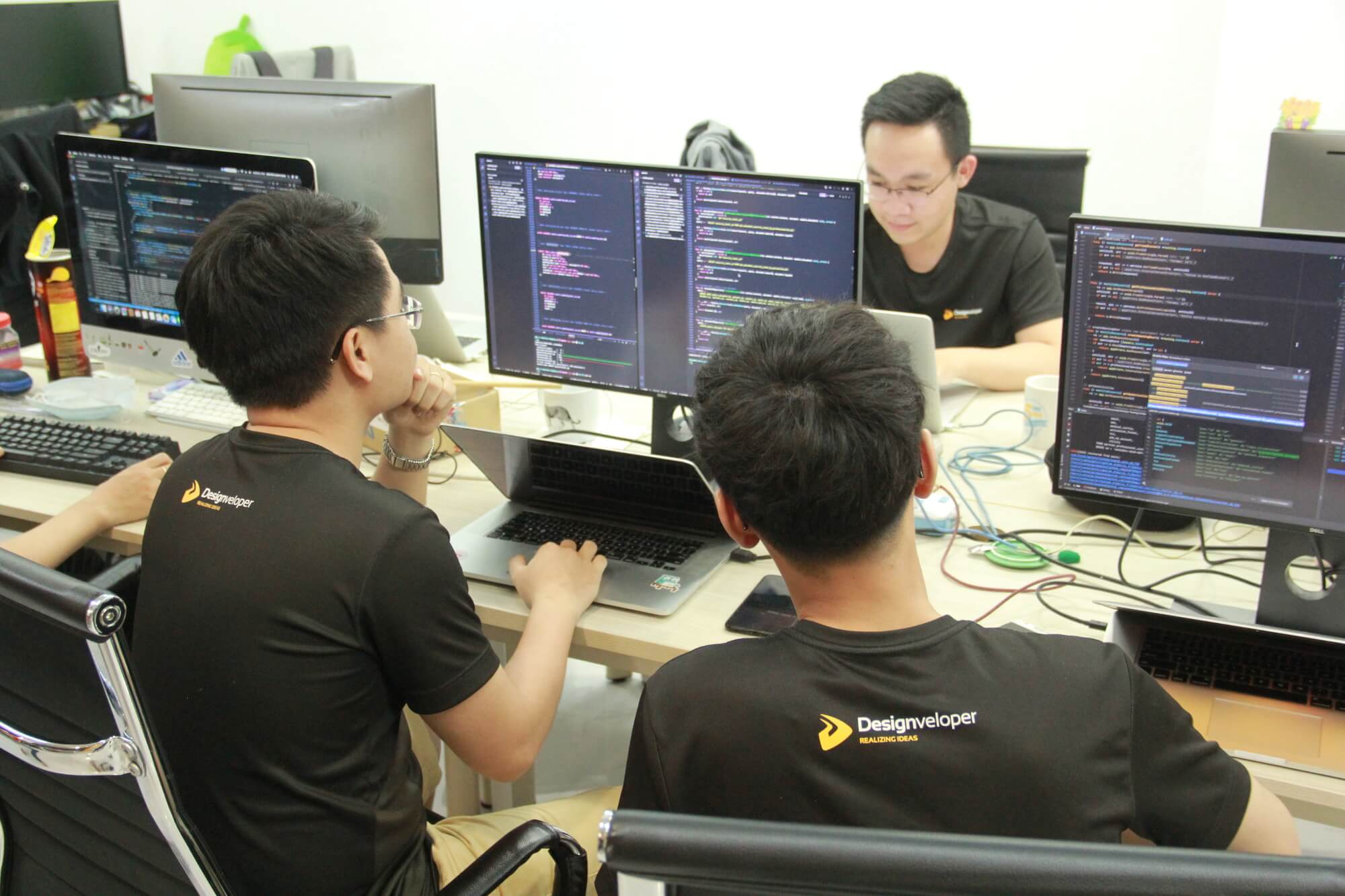
Thanks to AI-powered tools like GitHub Copilot, software developers can expedite the coding process and debugging. Meanwhile, AI can help network engineers streamline traffic analytics, optimize resource allocation, improve network monitoring to detect anomalies, and more.
However, AI can’t completely replace developers, testers, or engineers. Instead, it may reshape what the technology & engineering field used to be. As such, it can revolutionize some responsibilities of these jobs.
When leaving repetitive tasks to AI, developers and engineers can focus on more collaboration, system design, and other strategic jobs. Also, nothing can ensure AI systems work and produce outcomes as expected. Therefore, employees need to develop AI-related skillsets to use AI effectively, identify wrong outcomes AI produces, and find proper solutions.
Further, the emergence of AI subfields like AI engineering gives employees a good chance to upgrade their profession and stay competitive.
Marketing and Media Roles
The marketing and media sector dominated the global AI market, making up a projected value of USD 36 billion in 2024. This resulted from the rise of AI marketing software these days.
So, which types of marketing jobs will AI affect the most?
The WEF recorded Sales & Marketing Professionals and Sales Reps saw a net job decline of roughly 15% due to AI. It’s because machine learning algorithms can replace human workers to build more targeted ads based on real-time customer behavior and preferences.
Also, giants like Amazon use AI models to identify potential leads, personalize shopping recommendations, automate campaigns, and more. This leads to higher ROI (71%) and productivity (72%), but worries 42% of sales specialists about job displacement.
Although social media is booming as the most preferred marketing channel, social media strategists also face the risk of being laid off due to AI.
33% of media responsibilities have a high potential for automation without human supervision. They can include creating high-quality content, managing media accounts, preparing reports, monitoring user engagement, answering queries, and even devising strategies.
Despite potential benefits, AI can increase the risk of laying these roles off.
Manufacturing & Factory Roles
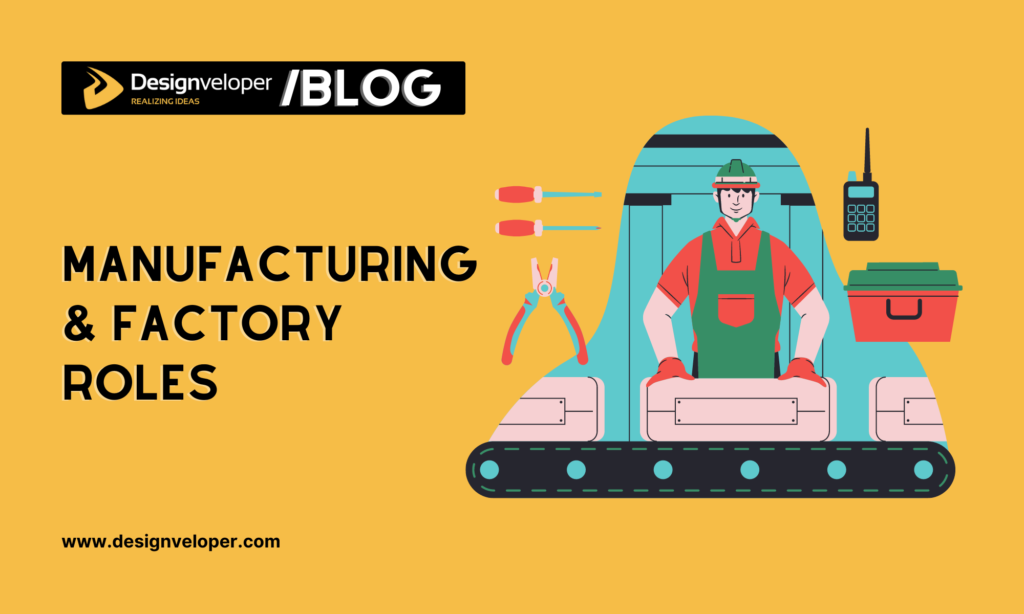
Valued at USD 3.2 billion in 2023, the global AI market for manufacturing is predicted to grow at a CAGR of 45.6% from 2023 to 2028.
Through big data analytics, AI capabilities can support supply chain optimization, predictive maintenance, machinery inspection, and quality control. This contributes to successful manufacturing processes.
Despite these benefits, AI models can heavily affect certain types of jobs. For example, as AI can analyze data to predict when to maintain equipment and machinery, it can reduce the need for human workers in routine checks and maintenance work.
Plus, various manufacturing plants (like Generic Electric or Siemens) have used AI-powered robots instead of their workforce to deal with repetitive, dangerous jobs (e.g., assembling, packaging, and moving goods).
However, 1.7 million factory workers have been replaced by robots since 2000. Worse, this figure can reach 20 million displaced jobs by 2023, according to Oxford Economics.
With advancements in AI and robots, we’ll observe a rapid decrease and displacement of those with repetitive work and less skill.
Final Words
AI proves its increasing importance at work. But in addition to the potential benefits, AI also exerts adverse impacts on the job market and society. After answering “What types of jobs will AI affect the most?”, we gave you an overview of AI’s current influences. Upskilling and staying updated on AI advancements to remain competitive in this market. Subscribe to our blog to receive the latest data about AI.
Also published on

Share post on










Read more topics








You may also like


11 Advantages and Disadvantages of Mobile Apps
11 Advantages and Disadvantages of Mobile Apps Published November 28, 2025
Understanding RAG Status in Project Management Within 1 Minute
Understanding RAG Status in Project Management Within 1 Minute Published August 24, 2025
Why Developers Say LangChain Is “Bad”: An Honest Look at LangChain
Why Developers Say LangChain Is “Bad”: An Honest Look at LangChain Published August 22, 2025