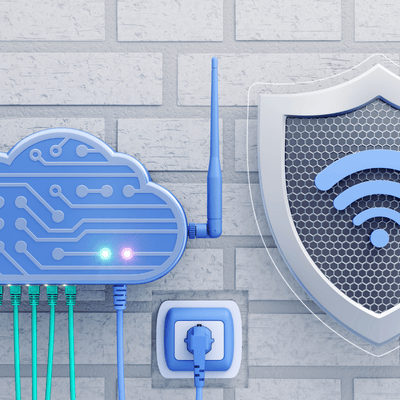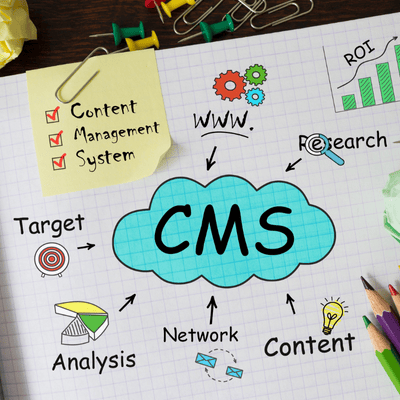
















The Ultimate Guide To Cloud Data Protection: Best Practices For 2025

As businesses continue to migrate their operations to the cloud, understanding and implementing robust data protection measures is essential. This guide aims to provide a comprehensive overview of cloud data protection (CDP), outlining the best practices and strategies to ensure the security, integrity, and availability of your data in 2025.
What Is Cloud Data Protection (CDP)?
This technological term refers to the practices, technologies, and strategies used to safeguard data stored in cloud environments. Its primary goal is to ensure the confidentiality, integrity, and availability of data while leveraging the benefits of cloud computing.

Cloud-based DLP and CDP are interconnected components of a comprehensive cloud security strategy, working together to protect sensitive data from various threats and ensure regulatory compliance. Cloud-based Data Loss Prevention (DLP) refers to the use of cloud services to monitor, protect, and manage sensitive data across various cloud environments and endpoints.
The benefits of cloud-based DLP extend from security to various business aspects. It enables seamless scalability, allowing businesses to adjust their data protection measures as they grow without significant additional costs.
FURTHER READING: |
1. 10 AI Data Analytics Tools Transforming the Industry |
2. 10 Leading Data Analytics Companies |
3. Data Analyst vs Business Analyst: A Comparative Guide for Beginners |
Benefits of Cloud Data Protection
CDP provides a robust framework to safeguard data stored and processed in the cloud and the following benefits:
- Enhanced Data Security
CDP solutions often include encryption both in transit and at rest, ensuring that data is protected from unauthorized access. Implementing strict access controls helps prevent unauthorized users from accessing sensitive information.
- Data Availability and Reliability
Regular backups and efficient recovery mechanisms ensure data is always available, even in the event of data loss or corruption. CDP solutions include disaster recovery plans to maintain business continuity during unexpected events.
- Scalability
Cloud platforms allow businesses to easily adjust their storage needs without investing in physical infrastructure. Efficient resource management enables businesses to optimize their storage usage and costs.
- Cost Efficiency
Businesses avoid significant upfront investments in hardware and infrastructure, reducing capital expenditure. Pay-as-you-go models help manage operational expenses more effectively.
- Compliance and Governance
CDP solutions help organizations comply with industry regulations and standards, such as GDPR, HIPAA, and ISO. Detailed audit trails and logging features support compliance audits and internal governance processes.
- Simplified Management
Centralized management consoles offered by cloud platforms make it easier to monitor and manage data protection policies across the organization. Automation of backup, recovery, and security processes reduces the burden on IT staff and minimizes human error.
- Flexibility and Accessibility
CDP allows employees to access data securely from anywhere, enhancing remote work capabilities. CDP solutions often support multiple platforms and devices, ensuring seamless integration across various IT environments.
- Improved Collaboration
Cloud platforms enable shared access to data and resources among team members and partners. Real-time data synchronization ensures that all users have access to the most up-to-date information.
Essential Aspects of Cloud Data Protection

Understanding cloud data protection is crucial for safeguarding sensitive information, ensuring regulatory compliance, and mitigating security risks. It also helps maintain business continuity by preventing data loss and ensuring quick recovery.
Data Encryption
Data encryption is crucial for cloud data protection. Encrypting data at rest on cloud servers prevents unauthorized access while encrypting data in transit protects it from interception as it moves between the user’s device and the cloud.
Access Control
Access control involves implementing strong authentication methods such as multi-factor authentication (MFA) and using role-based access control (RBAC) to ensure users have only the permissions necessary for their roles.
Data Masking
Data masking is important for protecting sensitive data in non-production environments during development or testing.
Data Backup and Recovery
Regular data backups and having a recovery plan are essential to prevent data loss due to accidental deletion, corruption, or ransomware attacks, ensuring business continuity through disaster recovery plans.
Compliance and Regulatory Requirements
Compliance with regulatory requirements such as GDPR or HIPAA is necessary to meet legal standards. This involves regularly auditing and documenting compliance efforts.
Security Monitoring and Incident Response
Security monitoring and incident response are critical; continuously monitoring cloud environments for suspicious activity and having an incident response plan in place to quickly address security breaches or data leaks.
Data Loss Prevention (DLP)
Data loss prevention (DLP) solutions help monitor and control data transfers, preventing unauthorized data exfiltration.
Identity and Access Management (IAM)
Effective identity and access management (IAM) ensures secure management of identities and their access to cloud resources, including proper user lifecycle management (provisioning, de-provisioning, and role changes).
Security Patches and Updates
Regularly updating and patching cloud services and applications to protect against vulnerabilities is essential.
Vendor Management
Vendor management involves assessing and monitoring the security practices of cloud service providers, ensuring they meet contractual and regulatory security requirements.
User Education and Awareness
User education and awareness are critical components, involving training users on best practices for data protection and security and promoting awareness of potential threats such as phishing attacks.
Common Use Cases of Cloud Data Protection
Cloud data protection involves securing data stored in cloud environments from unauthorized access, loss, or corruption. Here are some common use cases:
Data Backup and Disaster Recovery
Ensures data is regularly backed up to a cloud storage solution. Provides a means to recover data in case of hardware failure, natural disaster, or cyberattacks. Offers geographically dispersed backup locations to enhance data resilience.
Data Encryption
Encrypts data both at rest and in transit to protect against unauthorized access. Uses strong encryption algorithms and key management practices. Ensures compliance with regulatory requirements for data protection.
Access Control and Identity Management
Implements robust authentication and authorization mechanisms. Utilizes multi-factor authentication (MFA) and role-based access control (RBAC). Monitors and manages user access to sensitive data.
Data Loss Prevention (DLP)
Detects and prevents data breaches by monitoring data transfers. Implements policies to restrict the movement of sensitive data and overall data management. Uses machine learning and pattern recognition to identify potential data leaks.
Compliance and Regulatory Adherence
Ensures data protection practices meet industry standards and regulations (e.g., GDPR, HIPAA). Maintains audit logs and reports for compliance verification. Implements data retention and deletion policies in accordance with legal requirements.
Data Masking and Anonymization
Protects sensitive data by masking or anonymizing it for use in non-production environments. Reduces the risk of exposure during testing, analysis, or development activities. Ensures that data remains useful while protecting individual privacy.
Threat Detection and Response
Monitors cloud environments for suspicious activities and potential threats. Utilizes intrusion detection and prevention systems (IDPS). Automates response mechanisms to mitigate risks in real-time.
Secure Data Sharing and Collaboration
It enables secure sharing of data with third parties or within the organization. It utilizes encryption and access controls to safeguard shared data. It ensures that only authorized users can access and collaborate on sensitive information.
Data Integrity and Verification
Ensures data integrity through checksums and hash functions. Verifies that data has not been tampered with or corrupted. Provides mechanisms to validate data consistency and authenticity.
Cloud Security Posture Management (CSPM)
Continuously monitors and assesses cloud environments for security risks. Implements best practices and security configurations. Identifies and remediates vulnerabilities to maintain a secure cloud posture.
How to Choose a Cloud Data Protection Solution?
This requires careful consideration of various factors to ensure that your data is secure, compliant, and easily recoverable. Here’s a step-by-step guide to help you make an informed decision:
Identify Your Needs
Assess the amount of data you need to protect, the types of data involved (such as structured, unstructured, or sensitive data), and regulatory requirements like GDPR or HIPAA.
Evaluate Security Features
Ensure the solution offers strong encryption both in transit and at rest, robust access management, role-based access controls, and multi-factor authentication (MFA) for enhanced security.
Check Backup and Recovery Capabilities
The solution must support automated and scheduled backups, offer efficient data recovery processes, and provide granular recovery options.
Assess Integration and Compatibility
Your CDP solution must be compatible with your existing cloud infrastructure (such as AWS, Azure, or Google Cloud), integrated with your critical applications and services, and offered APIs for custom integrations.
Consider Performance and Scalability
Assess the impact on system performance during backup and recovery operations and ensure the solution can scale with your data growth and business expansion.
Evaluate Management and Monitoring
Look for a user-friendly interface, real-time alerts, detailed reporting capabilities, and a centralized dashboard for monitoring data protection status.
Review Vendor Reputation and Support
Research their reliability, market presence, and customer reviews. Ensure the availability of responsive customer support and comprehensive documentation, and check the Service Level Agreements (SLAs) for uptime, support, and recovery times.
Consider Cost
Understand the pricing model (such as subscription-based or pay-as-you-go) and the total cost of ownership, including setup, maintenance, and potential upgrades, and take advantage of free trials to evaluate the solution before committing.
Conduct a Proof of Concept (PoC)
PoC tests the solution’s effectiveness in your environment, assesses its performance under realistic workload conditions, and evaluates the ease of deployment, configuration, and use.
Ensure Compliance and Certifications
Check for industry-standard certifications such as ISO 27001 or SOC 2, and ensure the solution provides comprehensive audit logs for compliance audits.
Conclusion
Implementing robust cloud data protection (CDP) measures is crucial for securing sensitive information, ensuring regulatory compliance, and maintaining business continuity. By staying informed about the latest trends and adopting a proactive approach to cloud data protection, organizations can safeguard their data, support remote work capabilities, and foster improved collaboration.
Also published on

Share post on










Related Articles



Data-Driven Decision-Making: 7 Steps And Real-World Examples
Data-Driven Decision-Making: 7 Steps And Real-World Examples Published September 16, 2026
RAG Pipeline Diagram: Components, Workflow, And Production Design
RAG Pipeline Diagram: Components, Workflow, And Production Design Published August 21, 2026
Leveraging Big Data: 5 Key Trends to Watch in 2026
Leveraging Big Data: 5 Key Trends to Watch in 2026 Published May 04, 2026