


















Benefits of Using Server-Side Tracking GTM for Accurate Data

Accuracy is crucial for any business. Accuracy should be in everything: finances, workflows, communication, records, and data. Talking about the latter, without precise and trustworthy information, nothing else will actually exist or make sense. Nowadays, companies operate in the realia of a changing paradigm in terms of online data acquisition: switching from all the processes running on the client’s side to a centralized accumulation and processing on a server. A server-side tracking GTM is the tool without which this switch is impossible. What it is, how it works, and what problems it solves – this is today’s topic.
Client-side tracking is not a solution anymore
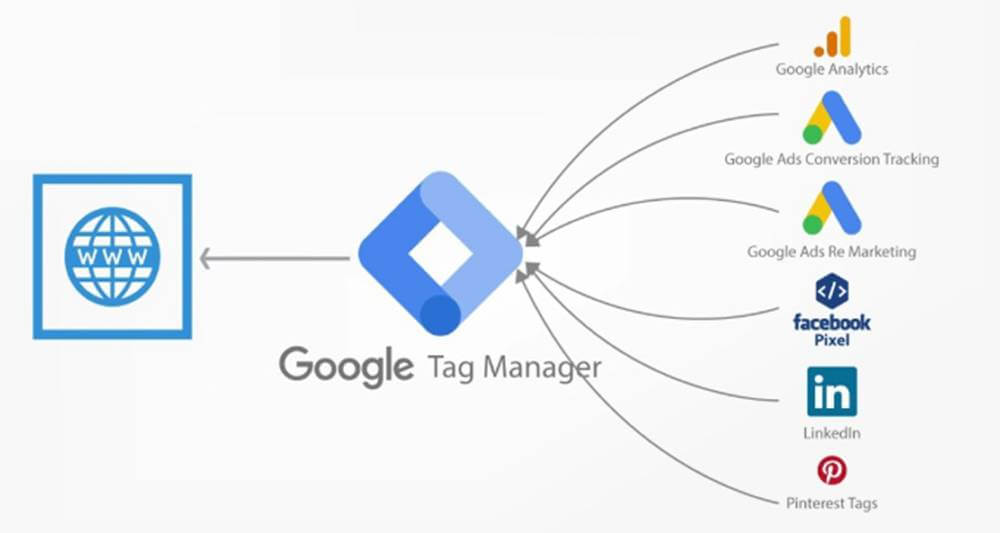
Client-side tracking, once a great and revolutionary solution, does not perform the tasks it is supposed to anymore. Or, more precisely, it does, but without the required level of quality. To be fair, it is not the technology’s fault: client-side tracking works all the same as before; the world has changed.
First of all
Ad-blocking add-ons for browsers got an immense boost in popularity. Now, having such an expansion in Safari or Chrome is almost a must for any average internet user. People do not want to consume hundreds of commercial banners and videos daily, it is understandable. Unfortunately, such expansions often block tracking scripts that fire when a customer performs a certain action on a website. This, in turn, leads to inaccurate data sent to analytics, and the whole business may collapse like a house of cards after that.
Secondly
When client-side tracking was first introduced, privacy policies did not exist at all or existed in a very different form from what they are now. As for 2025, it is taboo to share clients’ private data with third parties (analytic platforms are formally third parties). Client-side tracking does not have any tools to control what is sent to analytics; everything tracked is processed further. In the modern world, it can lead to significant legal problems.
Finally
Many browsers now put their users’ security first. Do not get us wrong, it is great, considering the level of cybercrime and fraud. Companies behind the browsers develop security protocols aimed at protecting private information, bank data, passwords, etc., of the users. However, just as with ad blockers, such protocols are not ideal, and they often block tracking scripts, which leads to the consequences already described.
Server-side tracking as a solution
A solution to all the problems above turned out to be quite elegant – to put a server as an intermediary between the clients and analytics. Such a server formally belongs to the website where tracking occurs, so it is not a third-party. Its main task is to gather all the data, preprocess it before sending it to analytics, and remove private information from data arrays to protect the business owners from potential legal issues.
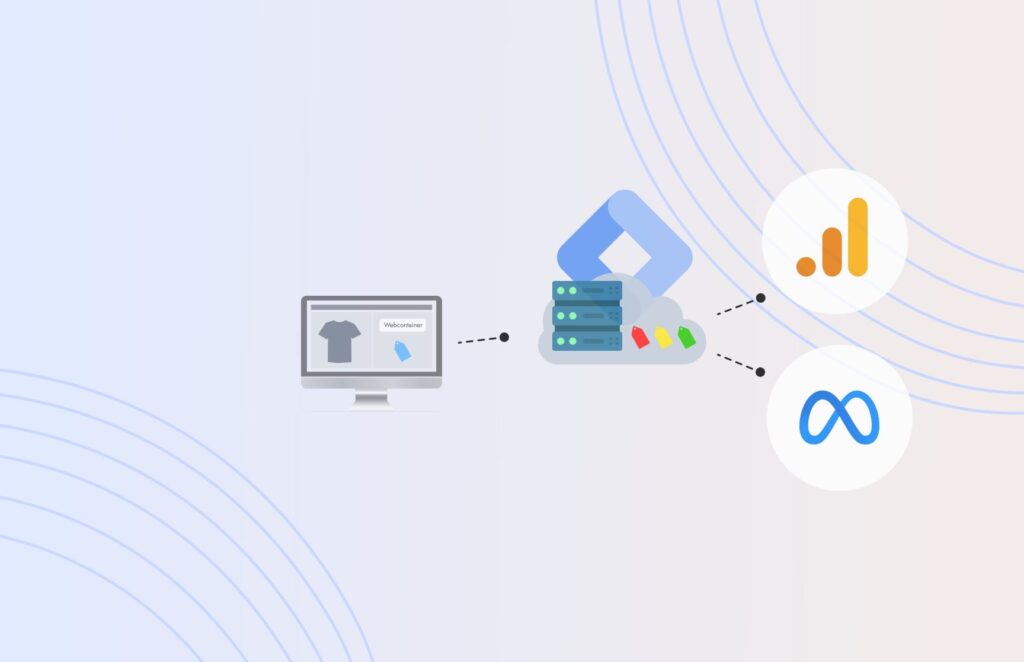
A server GTM container is a convenient way to store all tags and variables in one place on a server, making them easier to manage. All the data comes to the server with the help of the scripts running on the client side (no changes to the old model here), and the sGTM container is responsible for the connection with the analytical platform.
By switching to using server GTM, companies usually kill two birds with one stone: it allows businesses to gather more data to get more accurate analytics results, and stay compliant with all the needed privacy policies. In practice, it usually leads to several significant improvements.
- Precise and trustworthy analytics are the basis for strategic planning. Knowing the weak points and having clear insights into all the numbers, marketers are able to make more considered decisions, based on facts and empirical data, not intuition and guesses.
- Strict control over the data shared with analytics means that no private data leaks to third parties. This, first of all, saves money on lawyers. Secondly, all workers can intensely focus on their tasks and duties without worrying about legal claims.
- Conversion rate is the metric that investors and stakeholders love to care about, and with a server-side tracking setup, this number is much closer to reality. If it is too low – it is a signal that something must be changed. If it is high, it is a sign that the business is moving in the right direction (keep going).
- Money is the ultimate goal of any business, and more accurate data leads to increased profits. It allows businesses to understand which campaigns perform better than others, focus on developing them, and get higher ROAS, which directly impacts overall profits.
All this comes for a price of establishing a cloud server and hosting an sGTM container on it, which is a tiny thing compared to the expected benefits.
Conclusion
Focus on data accuracy means a switch to using a server GTM container in the current realia. It solves all the problems of client-side tracking in an elegant and effective way. Using an sGMT container directly impacts the quality of tracked data and analytics, which reflects in the profits and increased numbers the business gets. In our mind, a switch from client-side tracking to server-side is the only way for modern businesses to stay competitive in their fields.
Also published on

Share post on