










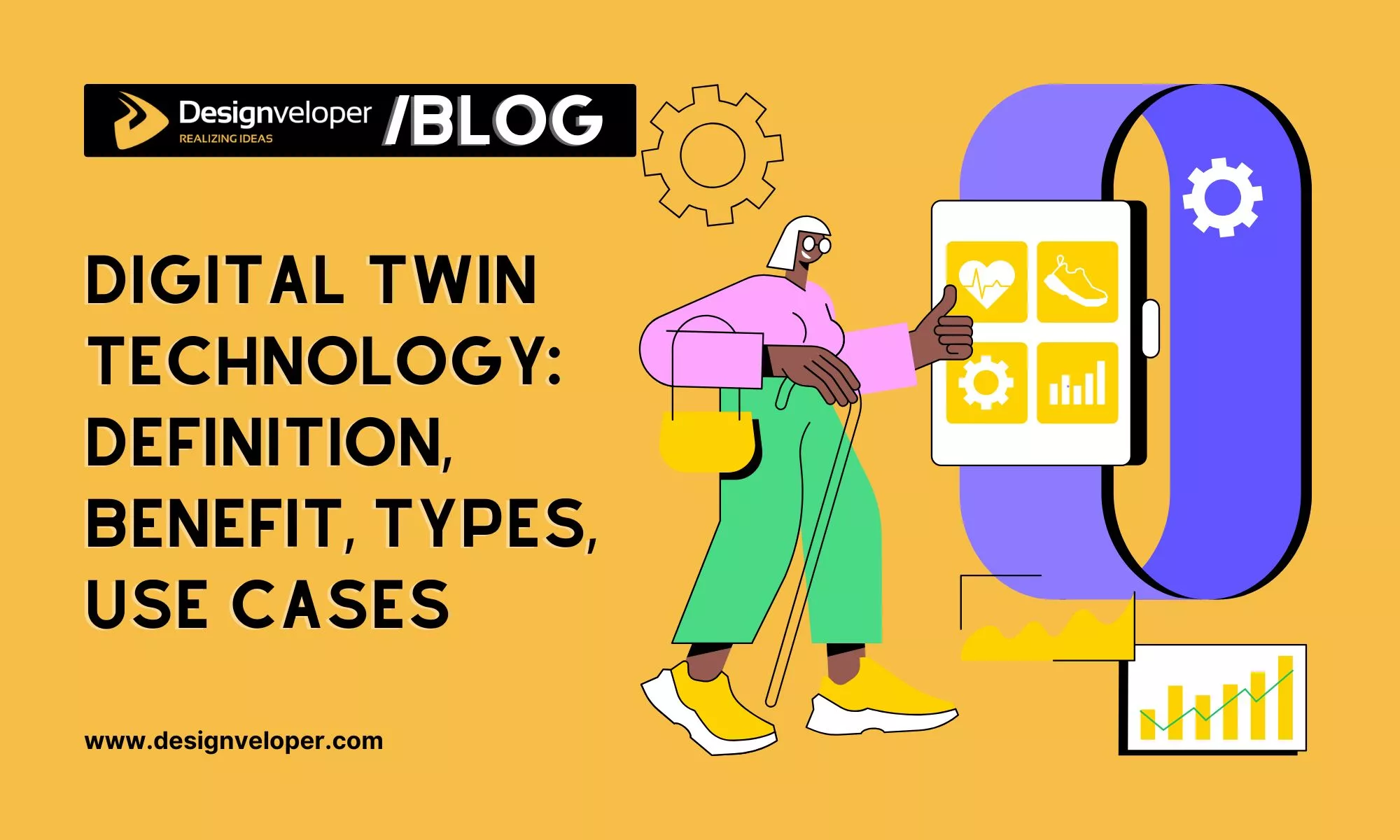

Digital twin technology is changing how teams design, run, and improve real systems. Many leaders now ask, “what is digital twin technology” and whether it fits their operations. This guide answers that question in simple words. It also explains how it works, the main types, real use cases, and the biggest limits you should plan for.

What Is Digital Twin Technology?
Digital twin technology creates a living digital version of something real. That “something” can be a machine, a factory line, a hospital workflow, or even a whole building. The twin stays connected to the real world through data, so it can mirror changes as they happen.
NIST defines a digital twin as a virtual representation of a real-world entity. That definition matters because it highlights connection and change. A static 3D model does not behave like a true twin. A real twin updates as the real system changes.
What is digital twin technology in simple words? Think of it as a “mirror” that lets you test ideas without touching the real thing. You can try a setting change, a new schedule, or a new design in the twin first. Then you can apply the best option to the physical system with more confidence.
Market interest keeps rising because the concept scales well. McKinsey expects the market could reach $73.5 billion by 2027. That growth also pushes vendors to improve tools, pricing, and integration support.
FURTHER READING: |
1. 8 Breakthrough Cloud Industry Trends in 2026 |
2. 9 Key Big Data Trends for 2026: What’s Next |
3. Digital Health Tech: Examples, Benefits and Challenges |
How Does Digital Twin Technology Work?
Digital twins run on a tight feedback loop. First, the physical system produces signals. Next, software collects and cleans the data. Then the twin updates its state. After that, analytics and simulation help teams predict outcomes. Finally, teams take action in the real world and repeat the cycle.
So, how does digital twin technology work in real projects? Teams start with a clear goal. They might want fewer breakdowns, lower energy use, or faster throughput. That goal shapes what data they collect and what models they build.
The next step is connection. Sensors, logs, and business systems feed the twin. The twin then becomes a shared workspace for engineers, operators, and planners. Everyone can see the same “truth” at the same time.
After that, teams test decisions before they act. They can compare scenarios side by side. They can also track what changed and why. This creates a strong learning cycle and supports better operational habits.
Key Components of Digital Twin Technology
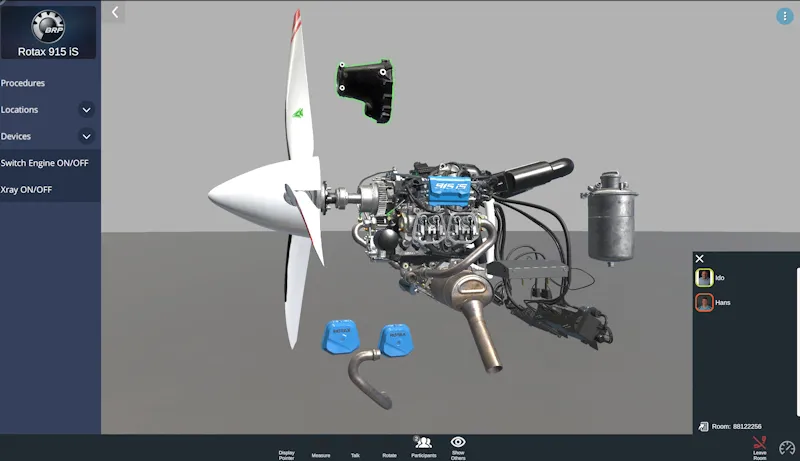
1. Physical Asset or System
The physical side can be simple or complex. It might be one pump, one MRI machine, or one wind turbine. It can also be a multi-step process like order picking in a warehouse. Some twins even represent a whole site with many systems that interact.
Clear boundaries help here. You should define what the twin includes and what it excludes. Otherwise, the model grows too fast and becomes hard to maintain. A focused twin often delivers value sooner.
2. Sensors and Data Sources
Data makes the twin useful. Sensors capture signals like temperature, vibration, pressure, and power draw. However, sensors are not the only source. Many twins also use PLC logs, SCADA tags, maintenance records, ERP orders, and quality checks.
Data quality matters more than data volume. Bad signals create bad predictions. So teams should validate sensors, clean streams, and label events with care. They should also set rules for missing data and outliers.
3. Digital Model
The model represents how the system behaves. It can include geometry, physics, control logic, and process rules. It can also include constraints like capacity limits and safety thresholds.
Many teams mix model types. They may use CAD and physics to represent structure. They may also use machine learning to estimate complex behavior that physics alone cannot capture. This mix often improves speed and accuracy at the same time.
A strong model also supports traceability. It should link assumptions to data. It should also track versions so teams know what changed. This reduces confusion during audits and incident reviews.
4. Data Analytics and Simulation
Analytics turns raw signals into decisions. Descriptive analytics shows what happened. Diagnostic analytics explains why it happened. Predictive analytics estimates what will happen next. Prescriptive analytics suggests what to do about it.
Simulation then lets teams test options safely. They can stress-test the system under different loads. They can also compare schedules, control settings, or designs. This makes the twin a practical decision tool, not just a dashboard.
McKinsey reports that supply chain twins can deliver a 20 percent improvement in fulfilling consumer promise. That result shows why simulation plus real-time data can outperform planning tools that rely on static assumptions.
Types of Digital Twins
1. Product Digital Twin
A product twin represents a product across its life cycle. It helps teams design, validate, and improve features. It also helps teams track performance after release. This is useful when products operate in many environments and usage patterns vary.
Asset and Component Twins
Many teams treat component and asset twins as part of product twins. A component twin focuses on one part, like a bearing or motor. An asset twin focuses on the assembled item, like a robot arm or a CNC machine. Together, they help teams connect design choices to field performance.
When Product Twins Pay Off Most
Product twins fit best when failure costs are high. They also fit when performance depends on many variables. Aerospace, energy, and high-end manufacturing often match this pattern. Consumer products can also benefit when scale is large and warranty risk is meaningful.
2. Process Digital Twin
A process twin represents a workflow. It might cover production steps, logistics flows, or patient routing. It focuses on how work moves from one stage to another. Crucially, it also tracks time, capacity, and bottlenecks.
Process twins work well with discrete-event simulation. They can reveal hidden queues and wasted handoffs. They can also help teams test new staffing patterns and schedules. This supports practical improvements without long trial periods.
3. System Digital Twin
A system twin represents multiple assets working together. It shows interactions, dependencies, and shared constraints. For example, a factory system twin can link machines, conveyors, and inspection stations. A building system twin can link HVAC, lighting, and occupancy.
This type often delivers strategic value. It helps leaders compare tradeoffs across the system. It also supports long-term planning, such as capacity expansion and energy optimization. As a result, it can become a core tool for operations management.
Digital Twin Technology Use Cases
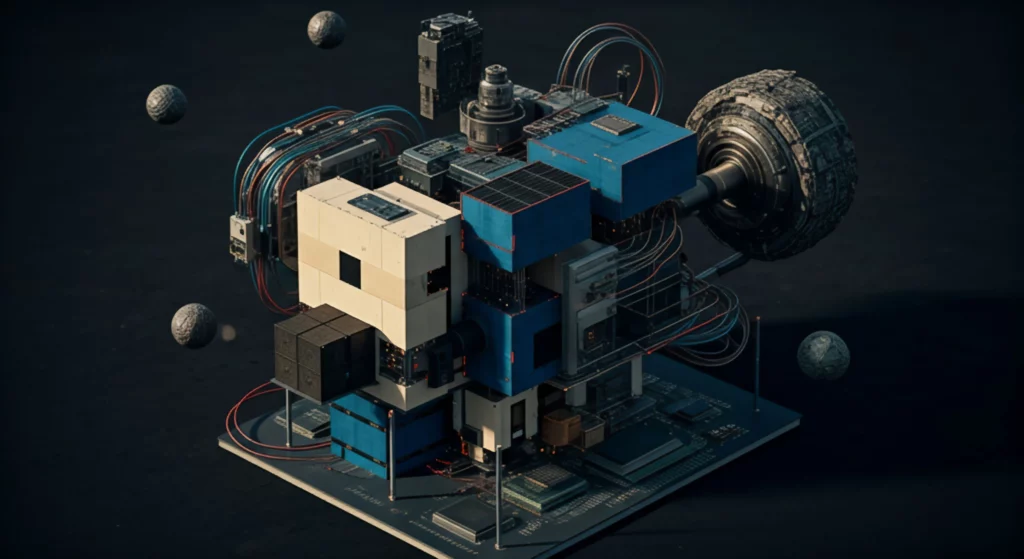
Use cases vary by industry, but the patterns repeat. Teams want visibility, prediction, and control. They also want faster learning from real operations.
Digital Twin Technology in Manufacturing
Manufacturers use twins to reduce downtime and improve throughput. They also use twins to plan layout changes and validate process updates. For example, Siemens Electronics Works Amberg reports it can produce over 1,000 product variants per day. In practice, this type of flexibility depends on strong process control and clear operational insight, which twins can help support.
Digital Twin Technology in Healthcare
Healthcare teams use twins to improve patient flow and resource planning. They also explore patient-level twins for education, training, and personalized care. A practical starting point is a process twin of a clinic or ward. It can help leaders test scheduling policies and reduce crowding.
Healthcare has strict privacy rules, so data governance must come first. Teams should also involve clinicians early. That improves trust and reduces model misuse. Over time, a well-run twin can support safer planning and better experiences.
Supply Chain and Logistics
Supply chain twins connect demand, inventory, transport, and labor decisions. They help teams respond faster to disruption. They also help teams choose the best policies for service level and cost. In many cases, the biggest wins come from aligning teams around one shared operational picture.
Energy and Utilities
Energy operators use twins to predict equipment wear and optimize maintenance. They also use twins to plan outages and manage risk. Grid operators can model constraints across the network. Plant operators can test operating modes before they switch them in the real world.
Buildings and Smart Infrastructure
Facility teams use twins to manage energy use, comfort, and maintenance. A building twin can link sensors, BIM models, and maintenance history. This helps teams spot abnormal patterns early. It also supports better capital planning for upgrades and replacements.
Product Development and Engineering
Engineering teams use twins to shorten iteration cycles. They can test design changes faster than physical prototyping alone. They can also capture field behavior and feed it back into design. This creates a stronger loop between R&D and operations.
Benefits of Digital Twin Technology
The benefits of digital twin technology tend to cluster into a few themes. First, teams get better visibility. They can see what the system does right now. They can also understand how that state changes over time.
Second, teams reduce risk. They can test changes in the twin before they touch the real system. This lowers the chance of costly downtime. It also supports safer changes in regulated environments.
Third, teams make better decisions faster. The twin helps them compare scenarios. It also helps them explain tradeoffs with evidence. This speeds up alignment across engineering, operations, and leadership.
Fourth, teams improve performance over time. They can track causes of drift. They can also tune settings and processes with more precision. This supports continuous improvement, not one-time optimization.
Finally, twins support sustainability goals. They can help teams measure energy, waste, and resource use. They can also test improvements before teams invest in new equipment. This makes sustainability planning more concrete and less guess-driven.
Capgemini reports organizations plan to increase the deployment of digital twins by 36% on average over the next five years. That intent signals that many teams see clear value once pilots prove reliable.
Challenges and Limitations of Digital Twin Technology
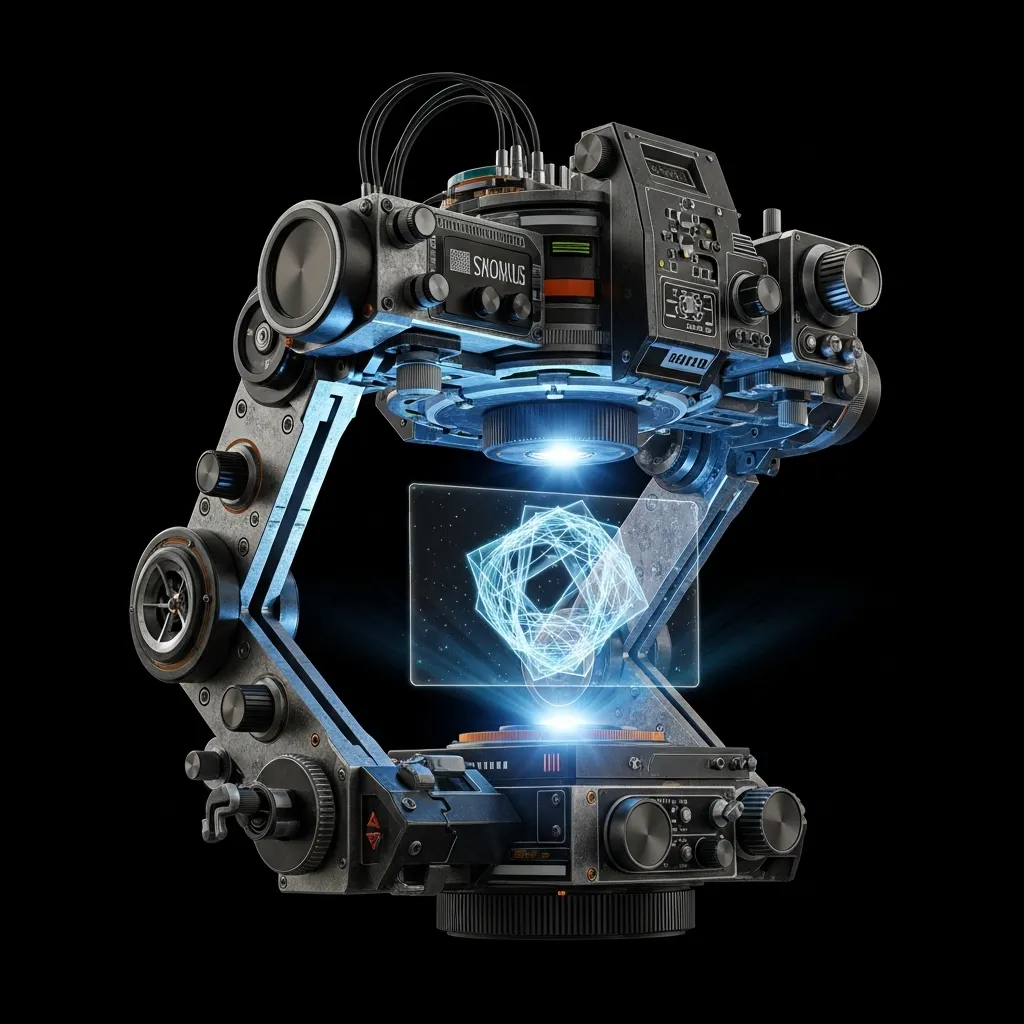
Digital twins can fail when teams treat them like a simple software install. They require cross-team work, strong data practices, and clear ownership. Without that, the twin becomes outdated and loses trust.
Data integration often causes the first delays. Many systems store data in different formats. Some systems also lack clean identifiers, so linking records becomes slow. Teams should plan integration work early and budget time for it.
Model governance is another common gap. Teams need rules for model updates, approvals, and validation. They also need clear ways to measure accuracy over time. Otherwise, leaders may make decisions from a model that no longer matches reality.
Cybersecurity risk also grows as connectivity increases. Twins often connect OT and IT systems. That link can expand the attack surface. So teams should apply least-privilege access, strong monitoring, and secure data pipelines.
Skills can also become a bottleneck. Digital twins blend engineering, data, and domain expertise. Teams may need training in simulation, data engineering, and model evaluation. They may also need new roles to keep the twin healthy.
Finally, value can stay hidden if teams do not change how they work. A twin does not replace decision discipline. It strengthens it. Leaders should build new routines around the twin, such as weekly scenario reviews and post-incident learning.
Gartner warns that 60% of supply chain digital adoption efforts will fail to deliver promised value by 2028. The main takeaway is simple: tools alone do not create outcomes. People and process complete the system.
Different Between Digital Twin Technology vs Simulation Models
Simulation models usually start with assumptions. They often run on fixed inputs. They also often represent an “average” or “expected” scenario. That makes them useful for planning, but limited for real-time control.
Digital twin technology adds live connection. It updates with new data. It also tracks the real system’s current state, not just a generic case. That makes it better for monitoring and day-to-day decisions.
Another difference is feedback. Simulation often ends when the run completes. A digital twin stays active. It can also learn from what happened after a decision. This helps teams refine models and policies over time.
Teams often use both together. Simulation helps build the first model and test strategies. The digital twin then keeps the model grounded in reality. This pairing can work well in manufacturing, logistics, and infrastructure.
People also ask about the difference between digital twin and AI. AI is a set of methods that learn patterns from data. A digital twin is a system that represents a real asset or process. AI can improve a twin, but it does not replace the need for a model, data links, and governance.
Digital Twin Technology and Industry 4.0
Digital twins support the shift toward connected, data-driven operations. They help companies move from reactive work to proactive work. They also help teams coordinate across design, production, and service.
This fits the broader theme of the fourth industrial revolution. Sensors, cloud platforms, and edge computing make real-time models more practical. At the same time, analytics and automation make insights more actionable.
Digital twins also strengthen the “digital thread.” That means teams can trace how a requirement becomes a design, how a design becomes a process, and how a process performs in the field. This improves quality control and speeds up learning.
In many organizations, the twin becomes a central layer that connects OT and business decisions. It can link KPIs to physical constraints. It can also reveal how one local change affects the whole system. That supports smarter automation and fewer unintended side effects.
Future of Digital Twin Technology
Digital twins will likely become more common and more modular. Teams will build smaller twins that connect into larger systems. This makes maintenance easier and reduces risk. It also supports faster rollout across multiple sites.
AI will also reshape how teams build and use twins. AI can help detect anomalies faster. It can also help generate model components, such as parameter estimates and control policies. Still, teams will need strong validation, because wrong advice can scale quickly.
Interoperability should improve as standards mature and vendors open APIs. This can reduce vendor lock-in and speed up integration. It can also help teams reuse models across plants and product lines.
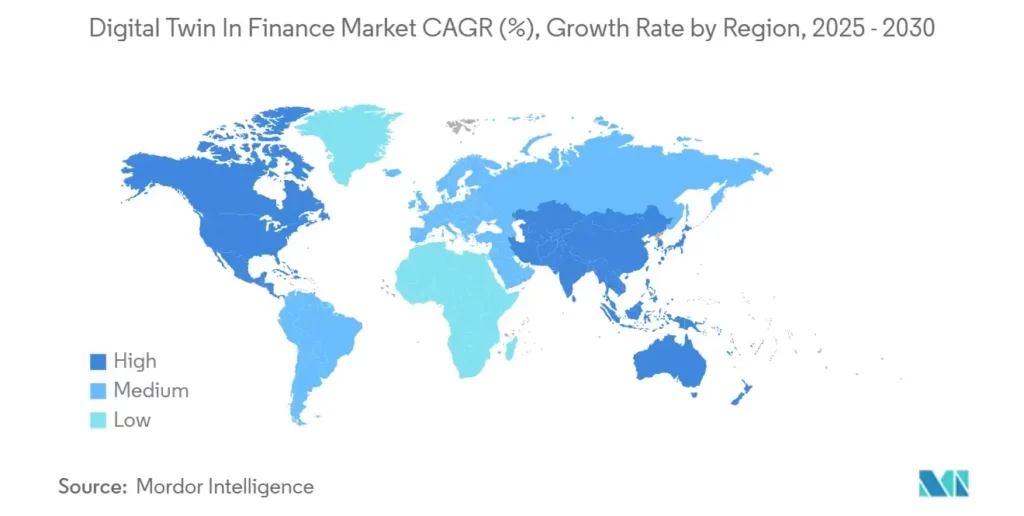
More industries will also adopt twins beyond engineering. Finance teams can use twins to test investment plans. HR teams can use process twins to plan staffing. Sustainability teams can use twins to test resource reduction plans. As a result, twins may become a shared decision layer across the business.
FAQs about Digital Twin Technology
1. Is Digital Twin Technology Expensive?
Costs vary by scope and ambition. A small process twin can be affordable if data already exists. A full factory or city twin costs more because integration and modeling expand fast. The best way to control cost is to start with one clear outcome, such as reducing downtime or improving planning.
Licensing is only one part of the budget. Data work, sensors, and training often cost more than software. So you should plan for the full lifecycle. That includes ongoing model updates and governance.
2. What Industries Use Digital Twin Technology?
Manufacturing uses twins for planning, quality, and maintenance. Logistics uses them for flow and disruption response. Energy uses them for reliability and asset health. Buildings use them for operations and upgrades.
Healthcare also uses twins, especially for patient flow and training. Automotive and aerospace use them for design and lifecycle support. Public infrastructure teams use them for planning and resilience.
3. How is Digital Twin Different From IoT?
IoT focuses on connectivity and data capture. It links devices and sends telemetry. A digital twin adds a model that interprets that telemetry in context. It also supports simulation and scenario testing.
In other words, IoT helps you observe. A digital twin helps you decide. Many twins rely on IoT data, but IoT alone does not create a twin. The model and feedback loop complete the system.
4. Can Small Businesses Use Digital Twin Technology?
Small businesses can use twins if they keep scope tight. They can start with one line, one process, or one critical asset. Cloud tools also reduce the need for large infrastructure.
A practical approach is to build a process twin first. It needs fewer sensors and less physics modeling. Once the team proves value, it can expand toward asset twins and system twins. Step by step progress usually works best.
Conclusion
Digital twin technology turns real-world data into clearer decisions. It helps teams test changes with less risk. It also helps teams improve performance with steady, measurable steps. Still asking, what is digital twin technology? It is a connected digital model that stays in sync with a real asset or process, so you can predict outcomes and act faster.
At Designveloper, we build the software layer that makes twins useful. We design data pipelines, real-time dashboards, and simulation-ready back ends. We also connect IoT signals to cloud systems and business tools, so teams can trust what they see. Our work spans complex products like Wave for the solar industry and the Song Nhi JavaScript platform, so we know how to ship scalable systems with clean architecture and reliable delivery.
Partnering with us means you get a Vietnam-based team founded in early 2013 that can take your idea from discovery to production. We can start with a small pilot twin that targets one clear outcome. Then we can expand it into a system twin as your data and confidence grow. When you are ready to move from concept to impact, we are ready to build with you.
Also published on

Share post on








Read more topics







You may also like


Digital Health Tech: Examples, Benefits and Challenges
Digital Health Tech: Examples, Benefits and Challenges Published February 02, 2026
9 Key Big Data Trends for 2026: What’s Next
9 Key Big Data Trends for 2026: What’s Next Published January 30, 2026
8 Breakthrough Cloud Industry Trends in 2026
8 Breakthrough Cloud Industry Trends in 2026 Published January 30, 2026